Cockroach infestation linked to home allergen, endotoxin levels: Study

Researchers at North Carolina State University have shown a link between the size of cockroach home infestations and the levels of both allergens and endotoxins in those homes, with lowering roach infestation numbers through pest control triggering significant declines in the levels of allergens and endotoxins. The study’s findings suggest that eliminating cockroach infestations could help improve indoor environmental health by greatly reducing allergens and endotoxins.

Endotoxins are bacterial cellular components that get released when bacteria die. As omnivores that will eat just about anything, cockroaches have a rich and diverse gut microbiome. Previous research has shown that cockroaches shed a lot of endotoxins through their fecal matter, although house pets – and humans – can also shed endotoxins. The researchers in this study found that a large amount of the endotoxins found in household dust was associated with cockroach feces.

“Endotoxins are important to human health, as inhalation of these components has been shown to provoke allergic responses,” said Coby Schal, the Blanton J. Whitmire Distinguished Professor of Entomology at NC State and co-corresponding author of a paper describing the research. “Past surveys in U.S. homes found endotoxin levels much higher in homes with self-reported evidence of cockroaches; that association is stronger in low-income homes than in single-family homes.”

The study, held in multi-unit apartment complexes in Raleigh, N.C., compared estimated cockroach infestation sizes as well as allergen and endotoxin levels in homes infested by cockroaches. These baseline levels were tabulated by capturing settled and airborne dust in homes.

The researchers found significant amounts of endotoxins in infested homes, with female cockroaches excreting about twice the amount that males excreted.

“Female cockroaches eat more than males, so more endotoxins are shed from their fecal matter,” said Madhavi Kakumanu, an NC State research scholar in Schal’s lab and co-corresponding author of the paper. She added that more endotoxins were found in kitchens than in bedrooms, as more cockroaches live in kitchens where they find more food.

Infested homes were then divided into untreated homes and homes receiving an extermination intervention to eliminate cockroaches. The researchers also included a control group of homes that had no cockroaches. Cockroach counts and floor and airborne dust samples were taken three months and six months into the study.

The results showed that infested homes without extermination had very large amounts of both endotoxins and allergens at all timepoints.

Meanwhile, in most cases, infested homes that received the extermination intervention were rid of both cockroaches and their allergens, and experienced significant declines in endotoxins.

“When you eliminate cockroaches, you eliminate their allergens. Small decreases in cockroaches don’t lower allergen levels because the remaining live cockroaches deposit more allergens,” Schal said. “Endotoxins significantly decreased in homes where cockroaches were eliminated. This paper shows that the cockroach is the most important depositor of endotoxin in infested homes.”

“We also saw that allergens and endotoxins can be airborne,” Kakumanu said.

Schal added that next steps include further examining interactions between cockroach allergens and endotoxins in animal models of asthma, such as mice.

“There exists the implication that asthma can be worse due to interactions between allergens and endotoxins,” Schal said. “We want to see if that is the case in mice.”

Reference:

Madhavi L. Kakumanu, Zachary C. DeVries, Richard G. Santangelo, Jeffrey Siegel, Indoor allergens and endotoxins in relation to cockroach infestations in low-income urban homes, Journal of Allergy and Clinical Immunology Global, DOI:10.1016/j.jacig.2025.100571 

Powered by WPeMatico

In menopause, sleep is vitally important for women’s long-term heart health, study finds

During the menopause transition, only 1 in 5 women have optimal scores using the American Heart Association’s health-assessment tool, known as Life’s Essential 8 (LE8). Among the tool’s eight components, four of them-blood glucose, blood pressure, sleep quality and nicotine use-are key in driving future cardiovascular risks, with sleep being particularly crucial for long-term cardiovascular health.

The findings-published today in Menopause-were made by researchers at the University of Pittsburgh, Albert Einstein College of Medicine and Baylor University.

“Previously we’ve shown that the menopause transition is a time of accelerating cardiovascular risk,” said senior author Samar R. El Khoudary, Ph.D., M.P.H., professor of epidemiology at Pitt’s School of Public Health. “This study underscores that it’s also an opportunity for women to take the reins on their heart health.”

The team analyzed health data collected from about 3,000 women who participated in the Study of Women’s Health Across the Nation (SWAN), an ongoing, longitudinal, multi-site, multi-ethnic study of midlife women that began in 1996. The researchers compared the women’s LE8 scores at baseline, around age 46, to their evolving health trajectories over time, from subclinical cardiovascular disease measures, such as increased carotid-artery thickness, to cardiovascular events, including heart attacks and strokes, to mortality of all causes. The team also examined impacts of each of the individual LE8 components: nutrition, physical activity, smoking abstinence, sleep, body mass index, blood lipids, blood sugar and blood pressure.

The analysis showed that four LE8 components-blood glucose, blood pressure, sleep quality and nicotine use-were the most important factors driving the study participants’ future cardiovascular risks.

Above all, sleep emerged as a potential predictor for long-term effects of cardiovascular disease events and all-cause mortality, though it was not linked to the shorter-term effects of carotid-artery thickening. The team found that at midlife, meeting the bar for healthy sleep, defined in Life’s Essential 8 as seven to nine hours on average for most adults, may contribute to women’s heart health and longevity, a hypothesis that should be tested in a future clinical trial, said Ziyuan Wang, Ph.D. candidate at Pitt Public Health and first author.

Low total LE8 scores correlated with increased cardiovascular risk, as expected-however, only 21% of the midlife women studied had an ideal LE8 score.

“With heart disease being the leading cause of death in women, these findings point to the need for lifestyle and medical interventions to improve heart health during and after menopause among midlife women,” said El Khoudary.

Reference:

Wang, Ziyuan MS1; Barinas-Mitchell, Emma PhD1; Brooks, Maria M. PhD1; Derby, Carol A. PhD2; Magnani, Jared W. MD, MSc1,3; Thurston, Rebecca C. PhD1; Ylitalo, Kelly R. PhD4; Bertolet, Marnie PhD1; El Khoudary, Samar R. PhD, MPH1. Prospective associations of American Heart Association Life’s Essential 8 with subclinical measures of vascular health, cardiovascular disease events, and all-cause mortality in women traversing menopause: The Study of Women’s Health Across the Nation study. Menopause ():10.1097/GME.0000000000002549, July 8, 2025. | DOI: 10.1097/GME.0000000000002549.

Powered by WPeMatico

Extreme Temperatures Linked to Higher Mortality Risk in Heart Failure Patients: Study

A new study published in the Journal of the American Medical Association revealed that short-term exposure to both cold and hot temperatures increases the risk of all-cause and cardiovascular death in heart failure patients. The study also observed a rising mortality risk from high temperatures over time, which highlights the need for better adaptation strategies even in colder regions.

This research analyzed data from 250,640 Swedish patients who died between 2006 and 2021, all of whom had been diagnosed with heart failure. The study used a time-stratified case-crossover design which linked individual health data with detailed daily temperature records across Sweden and measured at a 1 × 1-kilometer spatial resolution.

The study examined the effects of short-term exposure to low and high ambient temperatures on both all-cause and cardiovascular mortality. This research defined low and high temperatures using municipality-specific percentiles, where the coldest 2.5% and hottest 2.5% of daily temperatures were considered extreme. This approach accounted for regional climate variations and local adaptation.

The findings revealed a U-shaped association between temperature and mortality which indicates that both cold and heat increased the risk of death among patients with heart failure. For all-cause mortality, the odds of death rose by 13% during cold spells and by 5% during heatwaves. Similarly, for cardiovascular mortality, the risk increased by 16% in cold conditions and by 8% during hot conditions, particularly in the later study years.

The impact of high temperatures intensified between 2014 and 2021, suggesting that rising global temperatures and more frequent heat events are making heat exposure increasingly dangerous even in typically cool climates.

The study showed how mortality risks varied by temperature extremes and subgroups, where low temperatures had odds ratio (OR) around 1.130 for all-cause deaths and 1.160 for cardiovascular deaths. For high temperatures, the OR was around 1.054 for all-cause deaths and 1.084 for cardiovascular deaths (notably higher in recent years).

These results indicated greater cold sensitivity among men, diabetes patients, and diuretic users, while heat-related deaths were more frequent in patients with atrial fibrillation or flutter, especially in regions with higher ozone levels. The mean age of patients at death was 84.3 years, with nearly half (48.3%) being women. Overall, these findings warn that as temperatures continue to fluctuate more sharply due to climate change, heart failure patients in northern regions must be better protected. 

Source:

Ni, W., Benson, L., Ljungman, P., Nobile, F., Breitner, S., Zhang, S., de Bont, J., Lund, L. H., Savarese, G., Schneider, A., & Agewall, S. (2025). Short-term exposure to low and high temperatures and mortality among patients with heart failure in Sweden. JAMA Cardiology. https://doi.org/10.1001/jamacardio.2025.3932

Powered by WPeMatico

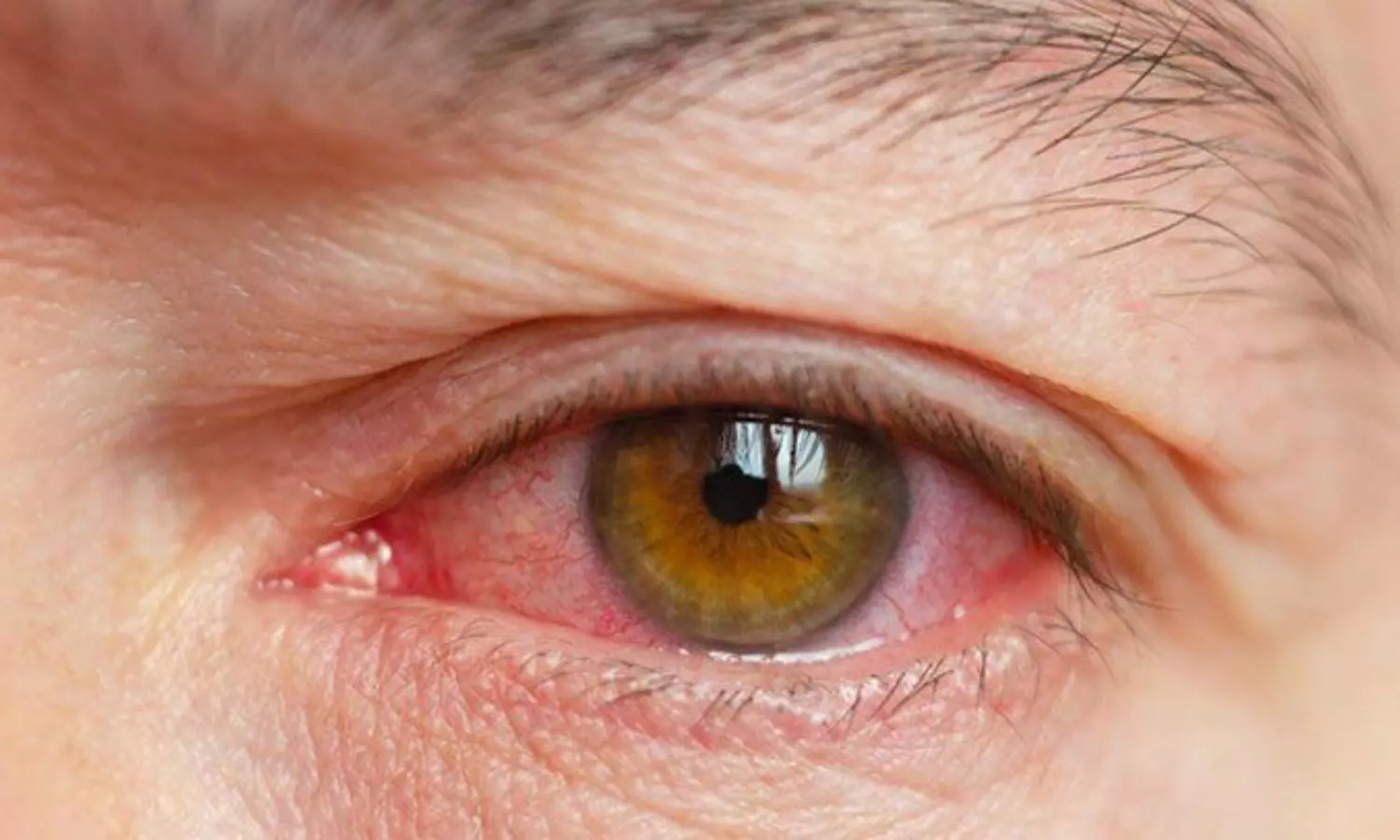
Dry eyes affect over half the general population, yet only a fifth receive diagnosis and treatment,claims research

Dry eyes can cause significant discomfort, and the symptoms become more common as we age. However, until now, it was unclear what proportion of the population suffered from the condition, with estimates ranging from 5-50%.

In fact, research presented today (Monday) at the 43rd Congress of the European Society of Cataract and Refractive Surgeons (ESCRS) , found that more than half of the general population in the USA and Europe experience dry eyes, yet only 20% of European patients and 17% of US patients were diagnosed, and they can wait years for professional help.

Dr Piotr Wozniak, refractive surgeon and dry eye specialist at Optegra Eye Clinics in Warsaw, Poland, and a lecturer and clinical instructor at Cardinal Stefan Wyszyński University in Warsaw, told the Congress: “Results from our studies reveal a substantial group of patients suffering without help. The European questionnaire explored why people don’t seek treatment. Many see dry eye as a normal part of ageing and something to endure. As a medical doctor, I find this particularly concerning because a simple eye drop could offer significant relief – but many people aren’t even asking for help.”

Dr Wozniak presented findings from a survey of 2,003 adults in the US conducted in April 2024, and from an ongoing, international arm of the study conducted by Bausch and Lomb with over 5,000 adults in the UK, France, Germany, Poland, and Saudi Arabia: the ‘Needs Unmet in Dry Eye: Symptoms, Treatment and Severity’ (NESTS) study. In June 2025, the NESTS international arm surveyed 2,580 adults in the general population and 2,572 dry eye sufferers.

“In the NESTS study, we found that 58% of the general population reported experiencing dry eye symptoms, yet only one in five have received a formal diagnosis from a healthcare provider,” he said. “The large size of this study makes these results robust.

“The study explored the patient journey in detail. What stood out was that up to one-third of patients had experienced symptoms for more than five years before seeking professional help. NESTS also found that around half of sufferers experience symptoms every single day. The delay in seeking treatment is concerning, especially since dry eye is a progressive disease and early intervention can prevent a vicious cycle of inflammation.”

Other results from NESTS showed that 60% of dry eye sufferers waited at least four months before seeking help and 20% waited more than a year before talking to health care provider about their symptoms. Many sufferers stopped driving at night (17%), no longer wore makeup (14.8%), or reduced their use of heat or air conditioning (15.2%) due to their uncontrolled dry eye symptoms. One in three sufferers (34%) reported that their symptoms had worsened in the past year and only 9% said there had been an improvement.

Lubricating eye drops were the first and most common treatment, chosen either by the patient or by an eye or health care provider. Yet only 25% believed their current treatment was specifically tailored to their needs.

Dr Wozniak said: “NESTS also examined patient-provider interactions, revealing national differences. For example, in France fewer than half of dry eye sufferers had planned follow-up visits, while in Saudi Arabia, the majority, 84%, were proactively followed up by their providers.”

In the US study, eye dryness frequently affected 50% of survey respondents, and 80% experienced symptoms such as fatigue, itchy or watery eyes, but only 17% had a diagnosis from an eye care provider. Between 35-75% of people were very or extremely bothered by dry eyes, with reading, using electronic devices or driving being the most common activities to be disrupted; 70% lacked knowledge of treatment options; 40% were unaware that untreated dry eyes can cause other eye problems and vision loss; only about 25% visited an eye care provider every two years or more frequently; 67% of people with dry eyes waited six months or more to see an eye care provider, and 31% waited two or more years.

Dr Wozniak said: “These findings highlight the widespread impact of dry eye disease on quality of life, showing a large number of people suffering silently.

“We need to educate patients and the public on the causes, consequences and treatment options for dry eyes, as well as the importance of regular eye checks. In addition, we must support healthcare professionals in distinguishing between different types of dry eye and matching treatments appropriately. One person’s ‘dry eye’ can be very different from another’s.”

Diagnosis of dry eye often involves a combination of patient-reported symptoms, medical history and clinical tests. However, some patients are diagnosed only on the basis of symptoms and a standard eye examination, for instance with a microscope. Specific diagnostic tools include looking at the time it takes for a dry spot to appear on the cornea after a blink, using dye to stain the surface of the eye, measuring the concentrations of salts and other particles in tears, or an assessment of the Meibomian gland, which is responsible for producing the oily part of tears.

Left untreated, dry eyes can be very uncomfortable, can cause inflammation and a condition called blepharitis when eyelids become sore and inflamed. Symptoms include a sandy or gritty feeling, soreness, uncomfortable and painful eyes, itching or burning sensation, short-term blurred vision, and watery eyes. Dry eyes are more common in people over the age of 50 because the glands that make tears, particularly the oily component, become less effective, causing the tears to dry up too quickly and the front of the eye to become dry and irritated. The condition may also affect the outcome of nearly every ophthalmological surgery, including cataract and refractive procedures, making its diagnosis and management important, even before surgery takes place.

Dry, dusty, windy and cold conditions can also make eyes feel dry, as can air-conditioning, central heating, smoking and certain medical conditions such as autoimmune diseases and hormonal conditions.

ESCRS President, Dr Filomena Ribeiro, who is Head of the Ophthalmology Department at Hospital da Luz, Lisbon, Portugal, was not involved in the research. She commented: “These findings reveal the true extent of dry eye disease in the general population. It is concerning that such a small proportion of sufferers seek help for the condition, especially as it can make a real difference to the outcomes of ophthalmological surgery and also to their quality of life. Eye and health care professionals need to discuss this with patients when they see them and encourage people to have regular eye care checks.”

Reference:

Dry eyes affect over half the general population, yet only a fifth receive diagnosis and treatment, European Society of Cataract and Refractive Surgeons, Meeting: 43rd Congress of the European Society of Cataract and Refractive Surgeons

Powered by WPeMatico

Research reveals how talking, age and hydration affect airborne disease spread

A new study from Clarkson University is uncovering surprising clues about how simple, everyday actions—like talking or singing—may influence how diseases spread through the air in indoor environments.

Powered by WPeMatico

People with this rare visual condition see illusory faces more often, new study shows

When you look at clouds, tree bark, or the front of a car, do you sometimes see a face staring back at you? That’s “face pareidolia” and it is a perfectly normal illusion where our brains spot faces in patterns that aren’t actually faces.

Powered by WPeMatico

The hidden dangers of vapes: Study reveals chemicals, risks and teen use

Recent testing by a Virginia Commonwealth University forensic toxicology research lab is uncovering the hidden dangers of vapes and cannabis products used by more than a million school-age children across the country each year. The study also highlights the rise of vaping in schools, where unregulated devices are increasingly found among students.

Powered by WPeMatico

New points to consider in treatment-resistant psoriatic arthritis

Some people with psoriatic arthritis (PsA) may have a disease that is difficult to manage (D2M) or does not respond to treatment. EULAR—The European Alliance of Associations for Rheumatology—has released new evidence-based points to consider and consensus definitions for these groups.

Powered by WPeMatico

BRCA2 research reveals a novel mechanism behind chemoresistance

One of the biggest challenges in cancer treatment is chemoresistance: Tumors that initially respond well to chemotherapy become resistant over time. When that happens, treatment options are often limited.

Powered by WPeMatico

Pharmacy Student Abducted, Brutally Beaten by UP Cops, 4 Constables Suspended, Now on the Run

Lucknow: In a case of alleged police brutality, a 22-year-old pharmacy student is battling for his life after allegedly being kidnapped and brutally assaulted by four constables of the Uttar Pradesh Police in Siddharth Nagar district.

The accused officers, all posted at the Mohana Police Station, have been suspended and are now absconding, with the police announcing a ₹25,000 reward on each for information leading to their arrest.

According to a recent media report in The Indian Express, the incident took place on the night of October 22, following a dispute during a Lakshmi idol immersion procession in Champapur village. The victim, Rajneesh Patel, a resident of Kapilvastu in Siddharthnagar, was part of the procession when a confrontation broke out between participants and the police over stopping the immersion vehicle. Hours later, the four policemen, Rajan Singh, Manoj Yadav, Abhishek Gupta, and Manjeet Singh allegedly abducted Rajneesh on a motorcycle, assaulted him, and dumped him near a petrol pump after he lost consciousness.

Villagers returning from the immersion found Rajneesh lying unconscious and immediately rushed him to a nearby hospital. He was later referred to Siddharthnagar Medical College and then to Gorakhpur Medical College, before being shifted to Lucknow, where he remains on ventilator support. CCTV footage showed Rajneesh falling from a motorcycle ridden by the accused policemen, confirming their involvement in the assault, reports The Indian Express.

Based on a complaint filed by Rajneesh’s brother, Avaneesh Patel, an FIR under sections of kidnapping and attempt to murder has been registered at the Mohana police station. Two special investigation teams led by Deputy Superintendent of Police–rank officers have been formed to trace the absconding constables.

Senior police officials have since visited the victim’s family, assuring strict and impartial action.

Powered by WPeMatico