Challenging conventional wisdom on a common cause of melanoma
Powered by WPeMatico
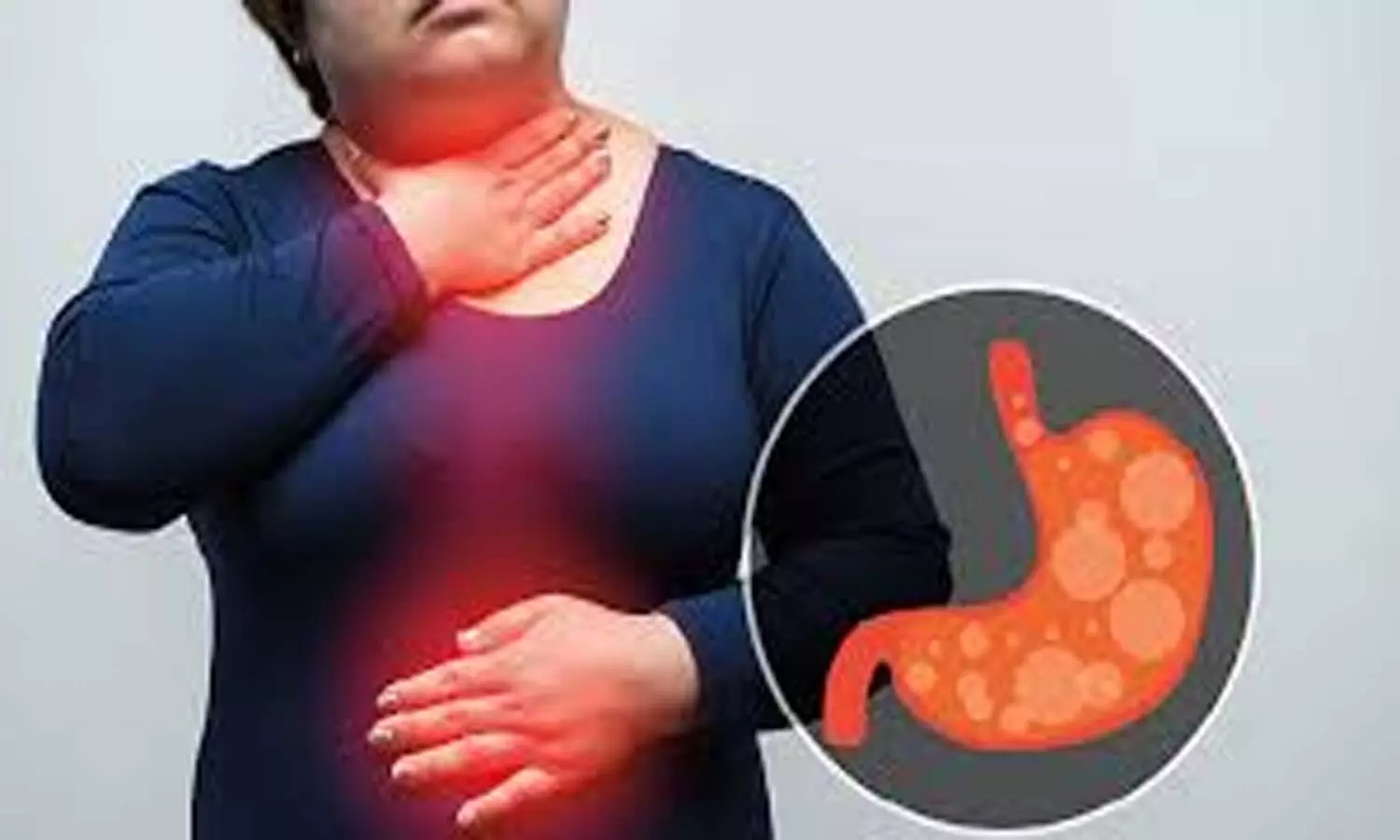
A new study published in the journal of Clinical Gastroenterology and Hepatology showed that despite using proton pump inhibitor (PPI), over one-third of Barrett’s esophagus (BE) patients who are asymptomatic show pathological reflux on pH monitoring. However, another third of individuals using standard-dose PPI had normal AET. A 9-fold higher incidence of neoplasia is linked to pathological reflux.
The patients with Barrett’s esophagus who have abnormal acid exposure can be identified using esophageal function testing. By identifying pathological reflux, these tests offer useful risk classification, which allows for focused surveillance and early management to stop neoplastic change in this high-risk patient group. Thus, this study was set to ascertain how esophageal function testing may be used to predict disease progression and evaluate acid exposure in BE patients on PPI treatment.
High-resolution manometry and 24-hour pH impedance testing on PPI were used in this investigation of asymptomatic BE patients. While following the same treatment plan, histological results were documented at index endoscopy. Pathological reflux was defined as total acid exposure time (AET) >6% on pH monitoring. Using Youden’s index to determine the ideal cut-off, Receiver Operator Characteristic (ROC) analysis was used to assess the prediction efficacy of AET for neoplasia.
There were 135 patients (73% male; 58 ± 15 years). 56 (41%) showed long-segment BE, with a median BE length of C1M2. Standard-dose PPI was used by 67 patients (50%) of the total. Of the 37 patients (27%) with pathological reflux, 25 (67%) were on standard-dose PPI. 33 (39%) of the 84 patients (62%) with normal AET (<4%) were on standard-dose PPI.
Standard-dose PPI (aOR 3.53, p=0.004) and type III esophagogastric junction morphology (aOR 2.64, p=0.036) were shown to be independently linked to pathological reflux on multivariable analysis. At index endoscopy, 13 (10%) individuals had neoplasia (2 adenocarcinomas, 3 high-grade dysplasias, and 8 low-grade dysplasias).
The sole independent predictor of neoplasia was pathological reflux (aOR 9.62, p<0.001). Neoplasia was accurately predicted by AET ≥6% (AUC 0.816, 77% sensitivity, 78% specificity). Overall, 27% of 135 asymptomatic Barrett’s esophagus patients had abnormal acid exposure on pH monitoring, even with PPIs. The probability of neoplasia was independently increased and accurately predicted by acid exposure duration ≥6%.
Source:
Vespa, E., Viale, E., Fasulo, E., Barchi, A., Marabotto, E., Pesce, M., Piccirelli, S., Pasta, A., Mandarino, F. V., Fanizza, J., Fratto, M. C., Cesaro, P., Sarnelli, G., Passaretti, S., Danese, S., & Savarino, E. V. (2025). Esophageal function testing identifies Barrett’s esophagus patients with pathological acid exposure at risk for neoplasia. Clinical Gastroenterology and Hepatology: The Official Clinical Practice Journal of the American Gastroenterological Association. https://doi.org/10.1016/j.cgh.2025.10.017
Powered by WPeMatico
New Delhi: The Delhi High Court on Tuesday granted interim relief to Dr. Reddy’s Laboratories Limited and its associated petitioners in a dispute with the Food Safety and Standards Authority of India (FSSAI), directing that the regulatory authority’s impugned orders dated October 14 and 15, 2025 on Nutraceutical Product shall not be enforced against the company until the authority decides the company’s representation after due hearing.
The case, heard by Justice Sachin Datta, pertains to a writ petition (W.P.(C) 16303/2025) filed by Dr. Reddy’s Laboratories Limited and others against the Union of India and the FSSAI.
The matter arises from FSSAI’s orders F. No. RCD-15001/6/2021-Regulatory-FSSAI [E-1475] dated October 14, 2025, and a subsequent clarification issued on October 15, 2025, along with a related communication dated October 23, 2025. These actions had the effect of restricting the manufacture, marketing, and sale of Dr. Reddy’s product Relalanz Vitors, a nutraceutical preparation.
Dr. Reddy’s sought the quashing of these orders, a direction restraining FSSAI from taking coercive steps against the company, and a mandate to hold a stakeholder consultation involving industry representatives, scientific experts, and consumer groups as envisaged under the Food Safety and Standards Act.
Earlier, the Medical Dialogues Team reported that the FSSAI directive clarified that, upon further review, the use of the term “ORS” in the trademarked name or in the naming of any food product otherwise—whether fruit-based, non-carbonated, or ready-to-drink beverages—even when accompanied by a prefix or suffix, constitutes a violation of the provisions of the Food Safety and Standards Act, 2006 and the regulations made thereunder.
Appearing for Dr. Reddy’s, Senior Advocate Neelam Tripathi argued that the impugned orders were issued without following due process and in violation of the principles of natural justice. She pointed out that in a similar matter decided by the Delhi High Court on October 17, 2025, the court had already directed that the FSSAI orders of October 14 and 15, 2025, would remain in abeyance until the concerned company’s representation was decided after hearing. It was therefore urged that Dr. Reddy be extended the same protection, as the issues were identical.
On behalf of FSSAI, counsel Aamir Zafar Khan informed the court that, in line with the earlier order of October 17, a hearing had been scheduled the same day (October 28) to consider the representation made by affected companies. He assured that the process would be completed by October 31, 2025, and that FSSAI was acting strictly in accordance with law. The counsel also clarified that no arbitrary enforcement action would be taken while the matter was being reviewed.
Justice Datta observed that the exercise contemplated in the earlier consent order was inherently urgent to ensure procedural fairness and legality in FSSAI’s actions. He noted that it would be prejudicial if the disputed product continued to be manufactured while the regulatory proceedings were ongoing.
Taking note of the assurance given by Dr. Reddy that it had already stopped manufacturing fresh stocks of Relalanz Vitors, the Court recorded the statement and indicated that the issue of disposing of the already manufactured stock would be considered at the next hearing.
In his order, Justice Datta stated:
“It is assured and undertaken that the said exercise shall be concluded before 31.10.2025. Let the outcome thereof be placed on record inasmuch as the same will also have a bearing on the present matter.”
The Court further recorded:
“Dr. Reddy’s Laboratories Limited has ceased manufacturing of fresh stocks of its product (Relalanz Vitors). The said statement is taken on record. However, it is sought that appropriate orders be passed to enable the company to dispose of the already manufactured stocks. The said aspect shall be considered on the next date of hearing.”
Accordingly, the High Court directed that the FSSAI’s orders dated October 14 and 15, 2025, shall not be given effect against Dr. Reddy’s until the representation is decided after due hearing. The matter has been listed for further consideration on October 31, 2025, under the “Supplementary Matters” category.
Powered by WPeMatico
A recent phase I/II CHORD trial published in the New England Journal of Medicine has shown that a novel gene therapy targeting OTOF variants can restore hearing in children with congenital profound deafness. The therapy involves delivering a functional OTOF gene to the inner ear using a viral vector, aiming to correct the underlying genetic defect responsible for auditory synaptopathy. The study found that three-fourths of treated patients achieved hearing levels sufficient to eliminate the need for cochlear implants, half could perceive soft speech without aid, and one-fourth attained normal hearing. Untreated ears showed no improvement, underscoring the therapy’s direct, transformative effect.
The trial evaluated the safety and efficacy of this gene therapy in a cohort of pediatric patients with confirmed OTOF mutations. Hearing restoration was assessed using audiological tests, speech perception, and behavioral measures. The therapy was well-tolerated, with minimal adverse effects reported, primarily mild transient vestibular symptoms and localized inflammation. Researchers emphasized that early intervention is critical, as auditory nerve pathways are most responsive during early childhood, enhancing the potential for functional recovery. The results suggest that gene therapy could provide a durable, non-invasive alternative to cochlear implantation, addressing a major unmet need in congenital deafness management.
While the findings are highly promising, the authors note that larger, long-term studies are needed to confirm the durability and safety of the therapy. Questions remain about optimal dosing, vector delivery methods, and efficacy across different OTOF mutations. The trial nonetheless represents a landmark in precision medicine, demonstrating that targeted genetic correction can translate into meaningful clinical improvements. By restoring auditory function without prosthetic devices, this therapy offers a new paradigm in treating congenital deafness and highlights the broader potential of gene therapy for other inherited sensory disorders.
Keywords: gene therapy, OTOF, congenital deafness, pediatric hearing restoration, CHORD trial, cochlear implant alternative, auditory synaptopathy, precision medicine, New England Journal of Medicine
Powered by WPeMatico
The FDA has approved Gazyva® (obinutuzumab) for treating adult patients with active lupus nephritis who are already on standard therapy. The approval is based on results from the phase 3 REGENCY trial (NCT04221477), which involved 271 patients with class 3 or 4 lupus nephritis (with or without class 5) receiving mycophenolate mofetil (MMF) and corticosteroids.
Following four initial doses in the first year, Gazyva can be administered twice yearly, offering an effective and potentially more convenient treatment option than traditional targeted therapies.
“People with lupus nephritis who achieve a complete renal response are more likely to experience preserved kidney function and delay, or even prevention, of progression to end-stage kidney disease,” said Levi Garraway, M.D., Ph.D., chief medical officer and head of Global Product Development. “The approval of Gazyva by the FDA marks an important step towards a potential new standard of care for lupus nephritis, one that could allow clinicians to offer their patients more effective disease control.”
“As a severe and potentially life-threatening disease, lupus nephritis greatly disrupts daily life with chronic pain, fatigue, and the constant fear of worsening kidney health,” said Louise Vetter, President and Chief Executive Officer, Lupus Foundation of America. “The FDA’s approval of Gazyva offers renewed hope for people with lupus nephritis and their loved ones, as it provides an important new treatment option that has the potential to prevent long-term complications, including kidney failure.”
This approval is based on positive results from the Phase II NOBILITY and Phase III REGENCY studies. In REGENCY, data showed that nearly half of the participants (46.4%) on Gazyva in combination with standard therapy achieved a complete renal response (CRR) compared to 33.1% on standard therapy alone. This was accompanied by clinically meaningful improvements in complement levels and reductions in anti-dsDNA, corticosteroid use, and proteinuria, all signaling improved disease control. The safety profile of Gazyva was consistent with the well-characterized profile observed in its hematology-oncology indications.
Lupus nephritis affects more than 1.7 million people worldwide. It disproportionately impacts women, mostly women of color and of childbearing age, who often face more severe disease. If left untreated, up to one-third of individuals can progress to end-stage kidney disease, which often requires dialysis or transplantation.
Gazyva was granted Breakthrough Therapy Designation by the FDA in 2019 based on data from the Phase II NOBILITY study. The European Medicines Agency’s Committee for Medicinal Products for Human Use (CHMP) recently issued a positive opinion recommending the approval of Gazyva for adults with active lupus nephritis, with a final decision from the European Commission expected in the near future.
Gazyva is being investigated in people with systemic lupus erythematosus, membranous nephropathy, idiopathic nephrotic syndrome, and in children and adolescents with lupus nephritis. In addition to Gazyva, Genentech has a broad pipeline targeting the immune drivers of rare and common kidney and kidney-related diseases.
Gazyva® (obinutuzumab) is a Type II engineered humanized monoclonal antibody designed to attach to CD20, a protein found on certain types of B cells. In lupus nephritis, disease-causing B cells drive persistent inflammation that damages the kidneys and reduces their ability to function properly. Data suggests that Gazyva depletes disease-causing B cells, helping to limit further damage to the kidneys and potentially preventing or delaying progression to end-stage kidney disease.
Gazyva is already approved in 100 countries for various types of hematological cancers. In the United States, Gazyva is part of a collaboration between Genentech and Biogen.
Lupus nephritis is a potentially life-threatening manifestation of systemic lupus erythematosus (SLE), an autoimmune disease that commonly affects the kidneys. Lupus nephritis is characterized by an irreversible loss of nephrons, the filtering structures of the kidneys. Periods of intense disease activity, known as flares, can speed up the loss of nephrons and be left unchecked, leading to a progressive loss of kidney function. Even with the latest treatments, up to a third of people will progress to end-stage kidney disease, where dialysis or transplant are the only options and life expectancy and quality of life are substantially reduced.
Lupus nephritis affects more than 1.7 million people worldwide – predominantly women, mostly of color and usually of childbearing age. Currently, there is no cure.

Powered by WPeMatico
Researchers have found in a new study that elevated triglyceride-glucose body mass index (TyG-BMI) levels have a strong correlation with higher risks of all-cause and cardiovascular mortality in osteoporotic patients, suggesting that insulin resistance plays an important part in their long-term outcome. Osteoporosis, a systemic skeletal disease characterized by decreased bone mass and fragility, is increasingly being seen as a disease with metabolic and cardiovascular determinants. The study was published in Frontiers in Endocrinology by Yuhao Li. and colleagues.
This prospective cohort consisted of 302 osteoporotic patients enrolled from 2018 to 2020 and followed up to 2024. A total of 64 all-cause deaths and 19 cardiovascular deaths were registered during follow-up. The association between TyG-BMI and mortality outcomes was assessed using restricted cubic spline and multivariable Cox proportional hazards regression analyses by researchers.
For enhancing the analysis, comparative evaluation was carried out with other IR-associated indices like TyG (triglyceride-glucose index), METS-IR (Metabolic Score for Insulin Resistance), and TG/HDL-C (triglyceride-to-high-density lipoprotein cholesterol ratio). Subgroup analysis was also carried out to determine patient subgroups at high risk, analyzing parameters like HDL levels, serum calcium, and creatinine levels.
Results
The results indicated a strong positive correlation between TyG-BMI and all-cause and cardiovascular mortality in osteoporotic patients.
For each 1-unit rise in TyG-BMI, the hazard ratio (HR) for all-cause death was 1.01 (95% CI: 1.00–1.02), proving a linear association.
After quartile division of participants, those in Q4 had nearly 2.8-fold increased risk of all-cause mortality compared to Q1 (HR = 2.79, 95% CI: 1.16–6.73).
The correlation with cardiovascular mortality was more significant—patients in Q4 demonstrated a 6.33-fold increased risk (HR = 6.33, 95% CI: 1.19–33.80) relative to Q1.
Additionally, ROC curve analysis and DeLong tests revealed that TyG-BMI was more superior than other insulin resistance indicators (TyG, METS-IR, TG/HDL-C) in the prediction of both all-cause and cardiovascular death.
Subgroup analyses revealed that cardiovascular death risk was especially high in patients with low HDL, high serum calcium, and elevated creatinine, indicating that metabolic and renal impairments can exacerbate the detrimental effects of IR in osteoporosis.
In conclusion, this prospective cohort study evidences TyG-BMI as being linearly and independently related to all-cause and cardiovascular mortality in osteoporotic patients. The results substantiated that insulin resistance is a key player in osteoporosis development and mortality, making TyG-BMI an important biomarker to determine patients at highest risk.
Reference:
Powered by WPeMatico
China: A new study published in Frontiers in Endocrinology suggests that maintaining sufficient copper intake could play a protective role against chronic kidney disease (CKD) and diabetic kidney disease (DKD).
Powered by WPeMatico
A recent retrospective study published in the Frontiers in Endocrinology suggests that glucagon-like peptide-1 receptor agonists (GLP-1 RAs) may significantly reduce the risk of osteoporosis in elderly diabetic patients.
Type 2 diabetes has long been recognized as a hidden contributor to bone weakening, often leading to higher fracture rates and poor outcomes. However, this new research uncovered promising data that GLP-1 RAs may offer protection against bone loss, which is an effect beyond their primary glucose-lowering benefit.
The study analyzed electronic medical records of 1,845 elderly T2DM patients treated at Tangdu Hospital from 2012 to 2023. The participants included had no history of osteoporosis at the start and were seen at least twice annually. Over the follow-up period, nearly 676 patients (36.6%) developed osteoporosis. However, among the 256 patients who received GLP-1 RA therapy, the rate of osteoporosis was significantly lower compared to those who did not receive these drugs.
Using Cox proportional hazards modeling, this study adjusted for a broad range of confounders including age, sex, body mass index (BMI), blood pressure, lipid profiles, kidney function, vitamin D and osteocalcin levels, HbA1c, statin and antihypertensive drug use, and smoking history.
The GLP-1 RA users had a 31% lower risk of developing osteoporosis when compared to non-users, with a hazard ratio of 0.69 (95% CI: 0.45–0.84, P < 0.05). This association remained robust across all subgroups examined, included both male and female patients, smokers and non-smokers, and those with varying body weights or blood pressure statuses, which indicated that the bone-protective effects of GLP-1 RAs were broadly applicable and not limited to specific patient profiles.
Overall, these findings could have meaningful implications for clinical decision-making. Further randomized controlled trials (RCTs) and large-scale observational studies will be required to validate these results and assess long-term outcomes.
The findings are considered a valuable contribution to growing evidence that GLP-1 RAs may support skeletal health. Notably, the drugs may influence bone metabolism through indirect pathways like weight loss, anti-inflammatory effects, or direct receptor activity on bone cells, the authors speculate.
Reference:
Chen, M., Lyu, Y., Zhao, J., Han, X., Huang, T., Yang, T., & Zhou, Y. (2025). Use of GLP-1 receptor agonist and risk of osteoporosis among patients with type 2 diabetes: a real-world study. Frontiers in Endocrinology, 16, 1586589. https://doi.org/10.3389/fendo.2025.1586589
Powered by WPeMatico