Fake doctor booked after botched cataract surgery

Pilibhit: A recent quackery case has resulted in a man being booked for allegedly posing as a doctor and practising medicine with a fake MBBS degree at a private hospital in Bilsanda town of Pilibhit district.  

The accused, identified as Arvind Kumar, a resident of Rajhaua village in Shahjahanpur district, came under the police scanner after a botched cataract surgery on a 61-year-old farmer named Krishna, which reportedly resulted in damage to his eye. 

Following the incident, Dr Chhatra Pal, the medical officer in charge of Bilsanda Community Health Centre, filed a complaint against the fake doctor, leading to the registration of a case on September 24. 

Also read- Fake doctor arrested for running illegal clinic in Cachar

His fraudulent qualifications came to light after the Shahjahanpur Sadar circle officer wrote to Pilibhit chief medical officer (CMO) Dr Alok Kumar seeking verification of his degree, and also informed him of a similar case involving the same person earlier this year. 

Upon receiving the letter, the CMO asked the Uttar Pradesh Medical Council to verify his credentials, and the council found that the accused was not registered. Subsequently, the CMO verified that the accused’s medical credentials were fake.

Speaking to TOI, the CMO said, “A verification letter was sent to the registrar of the Uttar Pradesh Medical Council on Sept 8. In response, the council reported that no registration for Arvind Kumar dated July 24, 2023, existed in their records.”

Based on the verification, the police registered a case under BNS sections 318(4) (cheating and dishonesty), 336(3) (forgery), and Section 15 of the Indian Medical Council Act, 1956. 

When officials went to seal the hospital premises, the accused allegedly locked the main gate and fled. In response, the officials pasted a notice outside, declaring that the doctor’s degree was fake and the hospital was operating illegally.

Also read- Silchar fake doctor arrested for running bogus medical degree racket

Powered by WPeMatico

IRONMAN-II Trial Evaluates Two-Year Outcomes of Sirolimus-Eluting Iron Bioresorbable Scaffold Versus Everolimus-Eluting Stent: TCT 2025

This news is covered by the Medical Dialogues Bureau present at the TCT Conference 2025, being held in San Francisco, USA.

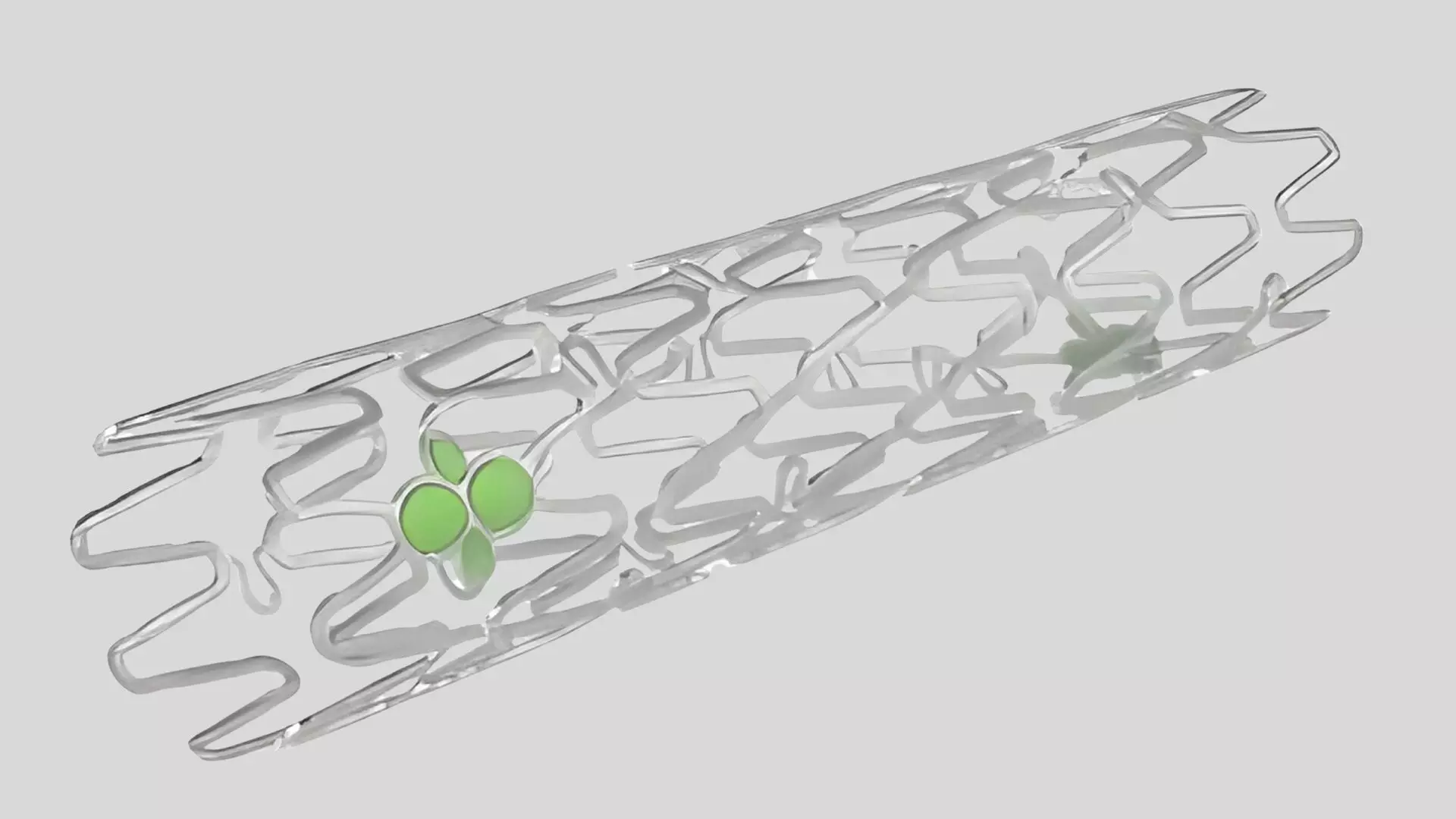
The two-year results of the IRONMAN-II randomized controlled trial demonstrated that the novel sirolimus-eluting iron bioresorbable scaffold (IBS) was non-inferior to contemporary cobalt-chromium everolimus-eluting stents (EES) in terms of safety and efficacy for patients undergoing percutaneous coronary intervention (PCI) for de novo coronary artery disease. The findings were presented by Dr. Lei Song on behalf of Dr. Runlin Gao and the IRONMAN-II investigators at TCT 2025.

The IRONMAN-II trial is a multicenter, single-blind, non-inferiority study conducted at 36 centers across China. It enrolled 518 patients with stable or unstable angina or recent myocardial infarction (>1 week) who were eligible for elective PCI. Participants were randomized 1:1 to receive either the sirolimus-eluting iron bioresorbable scaffold (IBS, n=259) or the cobalt-chromium EES (n=259). All patients had one or two de novo lesions (≤33 mm length) in separate vessels with reference diameters between 2.5 and 4.0 mm.

The IBS is a thin-strut (55–65 μm) bioresorbable scaffold made of Fe-0.05%N alloy as backbone material, coated abluminally with a PDLLA–sirolimus layer (8 μg/mm). It provides mechanical strength comparable to metallic stents and is designed to fully resorb over time, potentially reducing long-term risks such as late thrombosis or neoatherosclerosis.

The primary endpoint was in-segment late lumen loss (LLL) at two years assessed by quantitative coronary angiography (QCA). Secondary powered endpoints included target vessel quantitative flow ratio (QFR) and cross-sectional mean flow area on optical coherence tomography (OCT).

At two years, the IBS met the non-inferiority criterion for the primary endpoint. Mean in-segment LLL was 0.32 ± 0.04 mm for IBS and 0.24 ± 0.04 mm for EES (difference 0.08 mm; 95% CI –0.02 to 0.18; p=0.03 for non-inferiority). Target vessel QFR was 0.90 ± 0.13 in the IBS group and 0.92 ± 0.09 in the EES group (difference –0.02; p=0.05 for non-inferiority). OCT findings showed comparable mean flow areas (6.92 mm² vs. 6.64 mm²; p<0.0001 for non-inferiority).

Clinical outcomes at two years were also similar between groups. Target lesion failure (TLF) occurred in 7.4% of IBS-treated patients and 5.4% of EES-treated patients (HR 1.37; 95% CI 0.69–2.73; p=0.37). Rates of cardiac death (0.4% vs. 1.2%), target-vessel myocardial infarction (0.8% vs. 1.6%), and definite or probable device thrombosis (0.4% in both groups) were low and not significantly different. Any revascularization was slightly higher with IBS (17.6% vs. 11.4%; p=0.04), driven by non-ischemia-related procedures.

Investigators highlighted that the IRONMAN-II trial is the first randomized comparison of an iron-based bioresorbable scaffold with a modern durable-polymer EES. The device achieved high procedural success at two years. While early results support the safety and efficacy of the IBS, longer-term follow-up will be necessary to assess outcomes after complete scaffold resorption.

The IRONMAN-II trial underscores the feasibility of iron-based bioresorbable technology as an alternative to metallic stents, with the potential for durable vessel healing and restoration of natural vessel function once full bioresorption is achieved.

Reference: Lei Song et al., Sirolimus-Eluting Iron Bioresorbable Scaffold in Coronary Artery Disease, Two-Year Results of IRONMAN-II Randomized Controlled, TCT Conference 2025, San Francisco.

https://www.tctconference.com/

About the Study Presenter: Lei Song, MD. Professor of coronary heart disease and intracoronary imaging and physiology Principal Investigator (PI) of the National Center for Cardiovascular Disease, Chinese Academy of Medical Sciences and Peking Union Medical College, Fuwai Hospital, China, Mentor for the National Interventional Cardiology Training Program, China

Powered by WPeMatico

AMU JN Medical College launches code blue emergency response system

Aligarh: In a recent step towards enhancing emergency medical services, the Jawaharlal Nehru Medical College and Hospital (JNMC) at Aligarh Muslim University (AMU) has launched the ‘Code Blue’ Emergency Response System at its Trauma Centre

The initiative was inaugurated by Prof. M. Mohsin Khan, Pro-Vice Chancellor, alongside Prof. Habib Raza, Principal and CMS, in the presence of senior faculty members and hospital staff.

The ‘Code Blue’ protocol is a rapid response mechanism designed to provide immediate medical attention during critical emergencies, such as cardiac or respiratory arrest. When activated, a trained resuscitation team of doctors, nurses, and paramedical staff rushes to the patient with essential life-saving equipment, including defibrillators, oxygen systems, and emergency medications, to perform cardiopulmonary resuscitation (CPR) and other urgent procedures.

At the inauguration, Prof. M. Mohsin Khan emphasized that the introduction of the Code Blue system will ensure timely and effective care for critically ill patients. He reaffirmed the university’s commitment to improving healthcare services and stressed that patients and their attendants must receive all necessary support and amenities.

Also Read:ICMR funds Rs 2.25 crore to Jawaharlal Nehru Medical College Hospital for cancer research project

Speaking to the India Education Diary, Prof. Habib Raza, Principal and CMS, stated that the new system will significantly improve communication, coordination, and response speed in life-threatening situations. “Our teams are trained to act within seconds — every moment counts when a patient’s heart or breathing stops,” he remarked.

According to the news reports, Dr. Shahna Ali, from the Department of Anaesthesiology, along with her team, demonstrated the Standard Operating Protocol (SOP) for Code Blue activation, ensuring that all staff are familiar with the procedure. Additionally, an amplifier-based announcement system has also been installed in the triage area, enabling real-time coordination between the Casualty Medical Officer and the Help Desk. This upgrade is expected to reduce response times and enhance overall operational efficiency.

To maintain readiness, the hospital will conduct regular mock drills and hands-on training sessions for staff. This initiative reflects AMU’s commitment to patient safety, emergency preparedness, and high-quality healthcare, emphasizing swift medical intervention to save lives.

Also Read:Firing incident at Aligarh Muslim University’s medical college

The ceremony was attended by Prof. S. Amjad Ali Rizvi (MS), Dr. M. Saquib (DMS Trauma), Prof. M. Wasim Ali (Proctor), Prof. Mohammad Shameem, Prof. Hammad Usmani, Prof. Khawaja Zafar Saifullah, Prof. Fazlur Rehman, Dr. Naresh Kumar Sharma, Dr. Sajjad Husain, and other senior faculty members and staff, reports the India Education Diary.

Powered by WPeMatico

Type 2 Diabetes Develops Earlier and More Severely in Congenital Heart Disease Patients: Study Shows

Canada: A 30-year analysis from the Quebec Congenital Heart Disease Database presented at the Canadian Cardiovascular Congress revealed that patients with congenital heart disease face higher rates and earlier onset of type 2 diabetes, with significant mortality risk — particularly among women.

The population-based cohort study revealed that adults with congenital heart disease (CHD) are not only more likely to develop type 2 diabetes but also tend to develop it at a younger age than the general population. The findings, presented by Dr. Sabrina Maya D’Angelo, an internal medicine resident at McGill University, emphasize the need for proactive diabetes screening and management in this vulnerable group.
“Diabetes is a growing epidemic,” according to Dr. D’Angelo. “Earlier studies, such as those by Dr. Jonathan Afilalo and colleagues in 2011, identified diabetes as a major comorbidity influencing mortality in older adults with congenital heart disease. Our goal was to shift the focus to younger patients and explore how early diabetes affects outcomes.”
The study had three primary objectives: to determine the incidence of type 2 diabetes among adults with congenital heart disease compared with the general population, to identify predictors of early-onset diabetes, and to examine how early-onset diabetes affects mortality risk.
Using the Quebec Congenital Heart Disease Database, researchers analyzed data spanning from 1983 to 2017. The dataset included information on hospitalizations, outpatient care, socioeconomic status, and mortality. Out of 137,656 individuals with CHD, 84,253 adults met the inclusion criteria for the study.
Early-onset type 2 diabetes was defined as a diagnosis by age 40 or younger. To account for confounding factors, the team used propensity score matching and adjusted for the competing risk of death when evaluating survival outcomes.
Key Findings:
  • Among patients who developed type 2 diabetes, 30,196 cases occurred by age 40.
  • The propensity-score matched analysis included 8,825 patient pairs: 2,802 with early-onset diabetes and 14,848 with late-onset diabetes.
  • Adults with congenital heart disease had a higher incidence of type 2 diabetes compared with the general Canadian population, especially in younger and older age groups.
  • In the 20–34 years age group, the incidence was 1.88 vs 1.40 per 1,000 person-years.
  • In the 65–79 years age group, the incidence was 23.37 vs 15.14 per 1,000 person-years.
  • Patients with more severe congenital heart disease had higher diabetes incidence than those with milder forms (2.47 vs 1.80 per 1,000 person-years).
  • Early-onset diabetes was associated with a higher mortality risk, with a hazard ratio of 4.19 compared to 1.65 for late-onset diabetes.
  • Predictors of early-onset diabetes included obesity, hypertension, dyslipidemia, and chronic kidney or liver disease.
  • Male sex appeared protective with a hazard ratio of 0.69, indicating that women with congenital heart disease may be at greater risk.
“These findings underline the importance of early metabolic screening and aggressive risk factor management in adults living with congenital heart disease. Early detection and intervention, researchers suggest, could help mitigate the compounding impact of diabetes on long-term survival in this high-risk population,” the authors concluded.
Reference:

Powered by WPeMatico

Elevated albumin-corrected anion gap Linked to Increased AKI Risk in Critical acute pancreatitis Patients: Study

A new study published in the journal of BMC Nephrology showed that that elevated albumin-corrected anion gap (ACAG) levels (≥ 20.25 mmol/L) at ICU admission were significantly associated with a higher risk of acute kidney injury (AKI) in critically ill patients suffering from acute pancreatitis (AP).

High incidence, quick progression, and multisystem complications are characteristics of acute pancreatitis (AP), a common severe gastrointestinal illness. One of the most common and deadly complications is acute kidney injury (AKI), which significantly raises the risk of both short- and long-term death.

Severe AP made worse by AKI also increases the risk of death. Multifactorial mechanisms are involved in the pathophysiology of AKI in AP. Particularly in critically ill patients with severe inflammation and hypoproteinemia like AP, the albumin-corrected anion gap (ACAG) can more accurately reflect the true load of unmeasured anions (like lactate and ketone bodies) in the body.

One frequent and dangerous side effect of acute pancreatitis is acute kidney injury (AKI). To prevent complications and reduce mortality, patients at high risk for AKI must be identified early. This study examined the connection between AKI and albumin-corrected anion gap (ACAG) in critically ill AP patients.

This study took into account every eligible patient from the Medical Information Marketplace for Critical Care IV database. The cumulative risk of AKI and in-hospital mortality were calculated using Kaplan-Meier curves. The association between ACAG and AKI was investigated using multivariate Cox regression models and restricted cubic splines (RCS). The robustness of the results was assessed through subgroup analyses.

AKI incidence was 70.87 percent, in-hospital mortality was 13.87%, and the mean ACAG was 20.15 ± 5.64 for the 714 patients that were included. The ACAG‥ 20.25 group had a significantly higher incidence of AKI and a significantly higher risk of needing renal replacement therapy (RRT) (P < 0.001), according to Kaplan–Meier analysis.

Both as a continuous variable (HR: 1.12 [95% CI: 1.04–1.21], P = 0.004) and as a categorical variable (HR: 1.89 [95% CI: 1.11–3.23], P = 0.020), multivariable Cox regression showed that ACAG was independently linked to AKI risk in AP patients. A linear relationship between rising AKI risk and ACAG was validated by restricted cubic spline modeling. Overall, in critically ill patients with AP, elevated ACAG levels (≥20.25 mmol/L) at ICU admission are linked to a high risk of AKI.

Reference:

Wang, Z., Zhang, H., Xie, X., Cao, F., & Li, F. (2025). Albumin-corrected anion gap predicts acute kidney injury in critically ill patients with acute pancreatitis: a retrospective cohort study. BMC Nephrology, 26(1), 348. https://doi.org/10.1186/s12882-025-04293-y

Powered by WPeMatico

Balloon Dilation Safe and Effective for Bile Duct Stones, finds Study

Researchers have found in a new study that percutaneous papillary balloon dilation is safe and highly effective for the treatment of common bile duct stones (CBDS) and is a useful alternative in patients who are unable to undergo endoscopy or surgery. The study was published in BMC Gastroenterology journal by Yiran S. and colleagues. Common bile duct stones are a common cause of obstructive jaundice and may cause severe complications like jaundice, cholangitis, and pancreatitis if left untreated.

Endoscopic retrograde cholangiopancreatography (ERCP) and surgical exploration are the standard treatments; however, the procedure might not be an option for all patients, especially patients with anomalous anatomy of the gut, advanced age, or intolerance to surgery. Percutaneous papillary balloon dilation (PPBD) has been studied as a possible alternative, employing percutaneous entry to mechanically dilate the papilla and allow for stone extraction.

A systematic review and meta-analysis were performed in line with strict methodological principles. PubMed, EMBASE, and the Cochrane Library were searched for articles between January 1, 2000, and May 1, 2024. The eligible studies had to evaluate the results of percutaneous papillary balloon dilation in patients with CBDS both with normal and distorted gastrointestinal anatomy. The main results were overall and single-session clearance rates of bile duct stones and complication rates related to procedures. Statistical analyses were undertaken using a random-effects model with Stata software, where I² statistics were used to test for heterogeneity and funnel plots to identify publication bias. 2553 studies were screened initially, from which 25 studies qualified for inclusion, including 3402 patients who underwent PPBD.

Results

  • Pooled analysis illustrated the extremely high rate of overall bile duct stone clearance at 97.0% (95% CI: 95.3–98.5), affirming the high efficacy of PPBD in ensuring complete ductal clearance.

  • Single-session clearance of stones, a major determinant of procedural effectiveness, also remained favorable at 82.7% (95% CI: 76.7–88.1).

  • Regarding safety, the rate of all complications combined was 11.6% (95% CI: 7.3–16.6), which suggests an acceptable risk profile for the procedure relative to more invasive alternatives.

  • Subgroup analysis determined that the clearance rate in patients with abnormal gastrointestinal anatomy was still outstanding at 97.2% (95% CI: 88.4–100.0), validating its application in complicated anatomical situations.

  • For larger stones greater than 15 mm in diameter, PPBD had a high success rate of 94.4% (95% CI: 86.2–99.4), proving to be effective even in technically difficult cases.

This meta-analysis demonstrates strong evidence that percutaneous papillary balloon dilation is safe and very effective in the treatment of common bile duct stones, with a 97% overall clearance rate and minimal complication profile. As a minimally invasive and effective procedure, PPBD potentially holds value as a therapeutic option when endoscopy or surgery is not indicated, justifying its use in multidisciplinary biliary treatment plans.

Reference:

Sun, Y., Wang, W., Li, Y. et al. Efficacy and safety of percutaneous papillary balloon dilation for common bile duct stones: a systematic review and meta-analysis. BMC Gastroenterol 25, 726 (2025). https://doi.org/10.1186/s12876-025-04238-7

Powered by WPeMatico

SGLT2 Inhibitors Linked to Lower Risk of Kidney Stones in Patients With Type 2 Diabetes: Study Shows

Thailand: Use of sodium-glucose co-transporter-2 inhibitors (SGLT2is) may help reduce the risk of kidney stone formation in individuals with type 2 diabetes (T2D) without increasing the likelihood of urinary tract infections (UTIs), according to new research published in Diabetology & Metabolic Syndrome. The retrospective cohort study highlights potential renal benefits of SGLT2i beyond glucose control.

Dr. Thitiya Lukkunaprasit, Department of Social and Administrative Pharmacy, College of Pharmacy, Rangsit University, Pathum Thani, Thailand, and colleagues utilized real-world data from Ramathibodi Hospital, Bangkok, and included 17,821 adult T2D patients treated between 2015 and 2023. Of these, 5,626 patients received SGLT2 inhibitors, while others were prescribed dipeptidyl peptidase-4 inhibitors (DPP4is), sulfonylureas (SUs), or thiazolidinediones (TZDs). The median follow-up duration was 1.8 years. 
The following were the key findings of the study:
  • The incidence of nephrolithiasis was markedly lower in patients treated with SGLT2 inhibitors than in those using other antidiabetic drugs.
  • Incidence rates per 1,000 person-years were 7.7 for SGLT2is, 18.5 for DPP4is, 20.5 for SUs, and 12.1 for TZDs.
  • After adjustment, SGLT2 inhibitor use was linked to a significantly reduced risk of nephrolithiasis compared with DPP4is (HR 0.45), SUs (HR 0.37), and TZDs (HR 0.60).
  • Regarding urinary tract infections, SGLT2 inhibitor users had a slightly lower incidence compared to DPP4is (HR 0.85) and TZDs (HR 0.78).
  • A statistically significant reduction in UTI risk was noted only when compared with SUs (HR 0.74).
  • Overall, SGLT2 inhibitors were associated with a lower likelihood of kidney stone formation without increasing the risk of urinary tract infections.
The authors pointed out that diabetes itself is an established risk factor for nephrolithiasis, and racial, dietary, and environmental factors can influence this risk. Their findings provide real-world evidence supporting the use of SGLT2 inhibitors for renal protection among Thai T2D patients.
However, the researchers also acknowledged several limitations. Data on dietary habits and fluid intake—key contributors to kidney stone formation—were unavailable, which could have influenced the analysis. Moreover, information regarding the severity or recurrence of nephrolithiasis and UTIs was limited. Since SGLT2 inhibitors were introduced in Thailand only after 2015, the relatively short median follow-up period may also restrict the long-term generalizability of the results.
Despite these constraints, the study provides valuable insights into the broader clinical benefits of SGLT2 inhibitors. Dr. Lukkunaprasit and colleagues concluded that SGLT2i therapy may serve as a promising option for reducing kidney stone risk in type 2 diabetes patients without adding to UTI burden. They emphasized the need for future large-scale studies with extended follow-up and more detailed clinical data to confirm these findings and identify patient subgroups most likely to benefit.
“Overall, the study supports expanding the role of SGLT2 inhibitors in diabetes management — offering both metabolic and renal protection in real-world settings,” the authors concluded.
Reference:
Lukkunaprasit, T., Tansawet, A., Siriyotha, S. et al. Effects of sodium-glucose co-transporter-2 inhibitors on the risk of nephrolithiasis and urinary tract infections in Thai patients with type 2 diabetes: a hospital-based cohort study. Diabetol Metab Syndr 17, 400 (2025). https://doi.org/10.1186/s13098-025-01979-z

Powered by WPeMatico

New trial finds diabetes drug and nasal insulin improve brain health in early Alzheimer’s disease

 A clinical trial from Wake Forest University School of Medicine shows that two widely available medications, the diabetes drug empagliflozin (Jardiance) and intranasal insulin, safely improve brain health in people with mild cognitive impairment and early Alzheimer’s disease. The study, published in Alzheimer’s & Dementia, the journal of the Alzheimer’s Association, marks the first time empagliflozin has been tested in non-diabetic patients with Alzheimer’s disease. The results show promising effects on memory, brain health and brain blood flow.

The research addresses a critical treatment gap for patients with Alzheimer’s disease. While recently approved anti-amyloid drugs represent progress, their benefits are modest, and they’re unavailable to many patients due to side effects and medical contraindications. They also don’t address the upstream metabolic and vascular problems that drive disease progression or help restore brain function after damage occurs.

“Our study suggests that targeting metabolism can change the course of Alzheimer’s disease,” said Suzanne Craft, Ph.D., lead investigator and professor of medicine and director of the Wake Forest Alzheimer’s Disease Research Center. “For the first time, we found that empagliflozin, an established diabetes and heart medication, reduced markers of brain injury while restoring blood flow in critical brain regions. We also confirmed that delivering insulin directly to the brain with a newly validated device enhances cognition, neurovascular health and immune function. Together, these findings highlight metabolism as a powerful new frontier in Alzheimer’s treatment.”

The four-week trial enrolled 47 older adults (average age 70) with mild cognitive impairment or early Alzheimer’s disease. Participants were randomly assigned to receive intranasal insulin alone, empagliflozin alone, both medications together or a placebo. 

Both medications were safe and well-tolerated. Treatment-related side effects were mild and similar across all groups. Participants found the nasal insulin device highly feasible to use (4.6 out of 5.0), and compliance rates exceeded 97% for both medications throughout the study.

The results revealed different benefits for each medication. Intranasal insulin improved performance on sensitive cognitive tests that detect early memory and thinking changes. Brain imaging showed insulin treatment increased the structural integrity of white matter connections and changed blood flow patterns in memory-critical regions. The treatment also reduced plasma GFAP, a marker of astrocyte (support cells that maintain healthy connections between blood vessels and brain cells) dysfunction that’s elevated in Alzheimer’s disease. 

Empagliflozin had different effects. The medication significantly lowered cerebrospinal fluid tau, a protein that forms toxic tangles in the brain in patients with Alzheimer’s disease. It also reduced neurogranin and vascular markers linked to disease progression and changed blood flow in key brain regions. Empagliflozin also increased HDL cholesterol, showing its beneficial metabolic effects work even in non-diabetic patients.

Both medications influenced multiple immune and inflammatory proteins in cerebrospinal fluid and blood. The changes suggest the drugs help activate protective immune responses while reducing harmful inflammation. Intranasal insulin particularly affected proteins involved in the nasal-olfactory plexus, a newly discovered pathway that connects the brain’s waste-clearance system to immune systems throughout the body.

The medications work differently but target overlapping problems. Empagliflozin, originally developed for diabetes, improves how the body processes glucose and sodium. That leads to better insulin sensitivity and vascular health throughout the body and brain. The drug also reduces oxidative stress and inflammation while improving how mitochondria produce energy in cells.

Intranasal insulin uses a precision delivery device to send insulin directly into the brain through the nose, bypassing the bloodstream. Once there, insulin activates receptors throughout the brain that keep synapses healthy, support blood vessel function, maintain white matter integrity, and regulate immune responses. Previous studies showed that lower doses of intranasal insulin preserved brain glucose metabolism and slowed white matter damage over 12 months.

The trial used higher insulin doses than previous studies (160 IU daily versus 40-80 IU) delivered through a cartridge pump system developed by Aptar Pharma and validated in earlier brain imaging studies. This device provides precise, reliable delivery to brain regions involved in memory and cognition. Empagliflozin was given at the standard 10 mg daily dose used for cardiovascular conditions in non-diabetic adults.

People with Alzheimer’s disease often have insulin resistance in the brain alongside vascular problems that reduce blood flow and nutrient delivery. These metabolic and vascular disruptions speed up the accumulation of amyloid plaques and tau tangles while preventing the brain from clearing these toxic proteins. Both medications tested in this trial target these upstream problems. 

“We plan to build on these promising results with larger, longer studies in people with early and preclinical Alzheimer’s disease,” Craft said. “Because empagliflozin or intranasal insulin improved tau tangles, cognition, neurovascular health and immune function, we believe these treatments could offer real therapeutic potential, either on their own or in combination with other Alzheimer’s therapies.”

The complementary effects of the two medications could make them valuable additions to combination therapy approaches. Since both drugs are already FDA-approved for other conditions with well-established safety profiles, they could reach patients faster than entirely new medications would.

The study was supported by the Alzheimer’s Association through its “Part the Cloud” program. Started by philanthropist Michaela “Mikey” Hoag and the Alzheimer’s Association, “Part the Cloud” provides strategic funding to advance promising investigational Alzheimer’s therapies into clinical trials. The treatment targets are varied, which is important given the growing consensus that effective treatment and prevention of Alzheimer’s is likely to be a personalized combination of multiple interventions targeting different aspects of the disease. “Part the Cloud” has raised nearly $90 million to fund 72 clinical trials with the highest probability of slowing, stopping or ultimately curing Alzheimer’s disease. 

Reference:

Jennifer M. Erichsen, Thomas C. Register, Courtney Sutphen, Da Ma, Sarah A. Gaussoin, Marc Rudolph, Melissa Rundle, James T. Bateman, Samuel N. Lockhart, Kiran K. Solingapuram Sai, Christopher Whitlow, Suzanne Craft, A phase 2A/B randomized trial of metabolic modulators intranasal insulin and empagliflozin for MCI and early AD, Alzheimer’s & Dementia, https://doi.org/10.1002/alz.70704


Powered by WPeMatico

Heart rate changes predict depression treatment success with magnetic brain stimulation: Study

Researchers led by Dr. Roberto Goya-Maldonado at the University Medical Center Göttingen have identified a rapid physiological marker that predicts which patients with major depression will respond to magnetic brain stimulation therapy. The peer-reviewed research article, published in Brain Medicine, found that patients whose heart rates slowed within 45 seconds of starting treatment showed significantly greater improvement in depressive symptoms six weeks later.

Uncovering Real-Time Treatment Indicators

The research team monitored 75 patients with major depressive disorder during accelerated intermittent theta burst stimulation (iTBS), an advanced form of transcranial magnetic stimulation. Using continuous electrocardiogram monitoring, they tracked beat-to-beat heart rate changes from the moment stimulation began.

“Patients who showed greater heart rate deceleration within the first 45 seconds of initial stimulation demonstrated superior clinical improvement at the six-week follow-up,” the researchers reported. This relationship held only for active stimulation, not sham treatment, suggesting the cardiac response reflects meaningful engagement of mood-regulating brain circuits.

Challenging Personalization Assumptions

The study also tested whether personalizing brain stimulation sites based on individual resting-state functional connectivity patterns would enhance treatment outcomes. Surprisingly, this sophisticated neuroimaging approach showed no advantage over standard positioning at the F3 location of the 10-20 EEG system on the scalp.

Despite using advanced MRI scans to identify each patient’s optimal stimulation target based on connectivity between brain regions, personalized targeting yielded equivalent alleviation of depressive symptoms to the simpler standardized approach. Implementation challenges may have contributed to this finding, as actual stimulation sites sometimes deviated by more than 10 millimeters from calculated targets.

Mechanisms Linking Brain and Heart

The cardiac deceleration likely reflects successful activation of the frontal-vagal pathway, a neural circuit connecting the prefrontal cortex to the heart through the subgenual anterior cingulate cortex and brainstem. When brain stimulation effectively engages mood-regulatory networks, it triggers measurable changes in heart rhythm through this pathway.

However, the relationship proved complex. While heart rate deceleration predicted long-term improvement, increases in heart rate variability during stimulation paradoxically correlated with poorer one-week outcomes. This unexpected finding highlights gaps in understanding the temporal dynamics of brain-heart interactions during neuromodulation.

Practical Applications for Clinical Practice

The findings suggest that simple cardiac monitoring during initial treatment sessions could help clinicians optimize therapy. Rather than relying solely on anatomical landmarks or expensive neuroimaging, practitioners could adjust stimulation parameters based on real-time physiological feedback.

“If validated, cardiac biomarkers could enable real-time optimization during treatment sessions,” noted Dr. Julio Licinio and Dr. Helen Mayberg in an accompanying editorial. They emphasized how clinicians could adjust coil positioning or stimulation intensity based on immediate cardiac responses, potentially improving response rates that currently range from 30-50% with standard protocols.

Addressing Treatment-Resistant Depression

Major depressive disorder affects up to 20% of the population, with approximately one-third of patients failing to respond to conventional antidepressant medications. For these treatment-resistant cases, brain stimulation offers an important alternative, though outcomes remain highly variable.

The accelerated iTBS protocol used in this study delivered 36,000 magnetic pulses over two weeks, with patients receiving four daily sessions. This intensive approach aims to produce faster therapeutic effects than traditional protocols spanning several weeks.

Future Directions and Limitations

Several questions remain for future investigation. Will combining cardiac monitoring with other biomarker approaches further improve prediction accuracy? Can real-time cardiac feedback guide parameter adjustments during treatment sessions? How do individual differences in autonomic function influence these relationships?

The crossover design, while strengthening internal validity, complicated interpretation of longer-term effects. Future parallel-group studies could clarify optimal timing for assessing treatment response and whether benefits of personalized targeting emerge at specific therapeutic windows.

This peer-reviewed research represents a significant advance in precision psychiatry, offering new insights into brain stimulation mechanisms through rigorous experimental investigation. The findings challenge existing paradigms about personalized targeting while providing critical evidence for cardiac biomarkers in depression treatment. By employing innovative continuous monitoring approaches, the research team has generated data that not only advances fundamental knowledge but also suggests practical applications in clinical settings. The reproducibility and validation of these findings through the peer-review process ensures their reliability and positions them as a foundation for future investigations. This work exemplifies how cutting-edge research can bridge the gap between basic neuroscience and translational applications, potentially impacting thousands of patients with treatment-resistant depression in the coming years.

Reference:

Jonas Wilkening, Heart rate modulation and clinical improvement in major depression: A randomized clinical trial with accelerated intermittent theta burst stimulation, Brain Medicine, DOI: 10.61373/bm025a.0113

Powered by WPeMatico

New guideline provides treatment recommendations for central sleep apnea

A new clinical practice guideline developed by a task force of the American Academy of Sleep Medicine provides updated recommendations for the treatment of central sleep apnea.

Available online as an accepted paper in the Journal of Clinical Sleep Medicine, the guideline updates the AASM’s previous practice parameters published in 2012 and 2016. Among other significant updates, it incorporates evidence from recent studies of adaptive servo ventilation and addresses new developments including the introduction of transvenous phrenic nerve stimulation as a novel therapy.

“Central sleep apnea is a complex form of sleep-disordered breathing that requires individualized, patient-centered care,” said lead author Dr. M. Safwan Badr, chair of the AASM task force and chair of the department of internal medicine at Wayne State University School of Medicine in Detroit, Michigan. “It is essential for the treating clinician to prioritize improvements in quality of life and functional outcomes rather than focusing exclusively on the elimination of disordered breathing events.”

Central sleep apnea involves disruption of sleep due to an absence or reduction in breathing effort coupled with a reduction or cessation in airflow. This breathing instability can occur with various clinical conditions including heart failure, obstructive sleep apnea, and use of opioids. The pathogenesis of central sleep apnea can vary depending on the underlying clinical condition.

All nine clinical recommendations in the guideline are designated as “conditional,” meaning that they reflect a lower degree of certainty and require the clinician to use clinical judgment while considering the patient’s values and preferences to determine the best course of action. These recommendations support six treatment options for specific etiologies of central sleep apnea: continuous positive airway pressure, bilevel positive airway pressure with a backup rate, adaptive servo ventilation, low-flow oxygen, oral acetazolamide, and transvenous phrenic nerve stimulation. The guideline states that clinicians must consider the underlying condition contributing to breathing instability when selecting and optimizing therapy for central sleep apnea.

Adaptive servo ventilation received a conditional recommendation for central sleep apnea due to multiple etiologies. However, because of questions raised by one clinical trial involving patients with central sleep apnea and systolic heart failure, the guideline emphasizes that treatment with adaptive servo ventilation in patients with heart failure with reduced ejection fraction should be limited to centers with experience and should include close monitoring and follow-up.

The guideline includes a new conditional recommendation for transvenous phrenic nerve stimulation for primary central sleep apnea and central sleep apnea due to heart failure. This treatment involves the use of an implantable device that turns on automatically and works continuously to monitor and stabilize breathing. In 2017 the Food and Drug Administration approved the device to treat moderate to severe central sleep apnea in adult patients. Because the treatment requires an invasive procedure, is not universally accessible, and is associated with high costs, the guideline advises that it may be more appropriate to consider other treatments first.

To develop the guideline, the AASM commissioned a task force of sleep medicine physicians with expertise in treating central sleep apnea. They crafted clinical practice recommendations based on a systematic review of the literature and an assessment of the evidence according to the GRADE process, taking into consideration the certainty of evidence, beneficial and harmful effects, patient values and preferences, and resource use. The draft guideline was posted for public comment, and the AASM board of directors approved the final recommendations.

Recommendations

  1. The AASM suggests using continuous positive airway pressure (CPAP) over no CPAP in adults with CSA due to the following etiologies: primary CSA, CSA due to heart failure, CSA due to medication or substance use, treatment-emergent CSA, and CSA due to a medical condition or disorder. (Conditional recommendation, low certainty.)

  2. The AASM suggests using bilevel positive airway pressure (BPAP) with a backup rate over no BPAP with a backup rate in adults with CSA due to the following etiologies: primary CSA, CSA due to medication or substance use, treatment-emergent CSA, and CSA due to a medical condition or disorder. (Conditional recommendation, very low certainty).

  3. The AASM suggests against the use of BPAP without a backup rate in adults with CSA due to the following etiologies: primary CSA, CSA due to heart failure, CSA due to medication or substance use, treatment-emergent CSA, and CSA due to a medical condition or disorder. (Conditional recommendation, very low certainty).

  4. The AASM suggests using adaptive servo ventilation (ASV) over no ASV in adults with CSA due to the following etiologies: primary CSA, CSA due to heart failure, CSA due to medication or substance use, treatment-emergent CSA, and CSA due to a medical condition or disorder. (Conditional recommendation, low certainty).

    Remarks: Prior to initiation of ASV, patient-provider shared decision-making is recommended, and treatment decisions should be based on expectations of symptomatic or quality-of-life improvement. Treatment with ASV in patients with heart failure with reduced ejection fraction (HFrEF) should be limited to centers with experience, along with close monitoring and follow-up.

  5. The AASM suggests using low-flow oxygen over no low-flow oxygen in adults with CSA due to heart failure. (Conditional recommendation, low certainty).

  6. The AASM suggests using low-flow oxygen over no low-flow oxygen in adults with CSA due to high altitude. (Conditional recommendation, very low certainty).

    Remarks: Patients with transient and mild CSA symptoms at high altitude may reasonably decline treatment with low-flow oxygen.

  7. The AASM suggests using oral acetazolamide over no acetazolamide in adults with CSA due to the following etiologies: primary CSA, CSA due to heart failure, CSA due to medication or substance use, treatment-emergent CSA, and CSA due to a medical condition or disorder. (Conditional recommendation, low certainty).

  8. The AASM suggests using oral acetazolamide over no acetazolamide in adults with CSA due to high altitude. (Conditional recommendation, very low certainty).

  9. The AASM suggests using transvenous phrenic nerve stimulation (TPNS) over no TPNS in adults with CSA due to the following etiologies: primary CSA and CSA due to heart failure. (Conditional recommendation, very low certainty).

    Remark: Given that TPNS requires an invasive procedure, is not universally accessible, and is associated with high costs, it may be more appropriate to consider other treatments first.

Reference:

M. Safwan Badr, Rami N. Khayat, J. Shirine Allam, Suzanne Hyer, Treatment of central sleep apnea in adults: an American Academy of Sleep Medicine clinical practice guideline, Journal of Clinical Sleep Medicine, https://doi.org/10.5664/jcsm.11858

Powered by WPeMatico