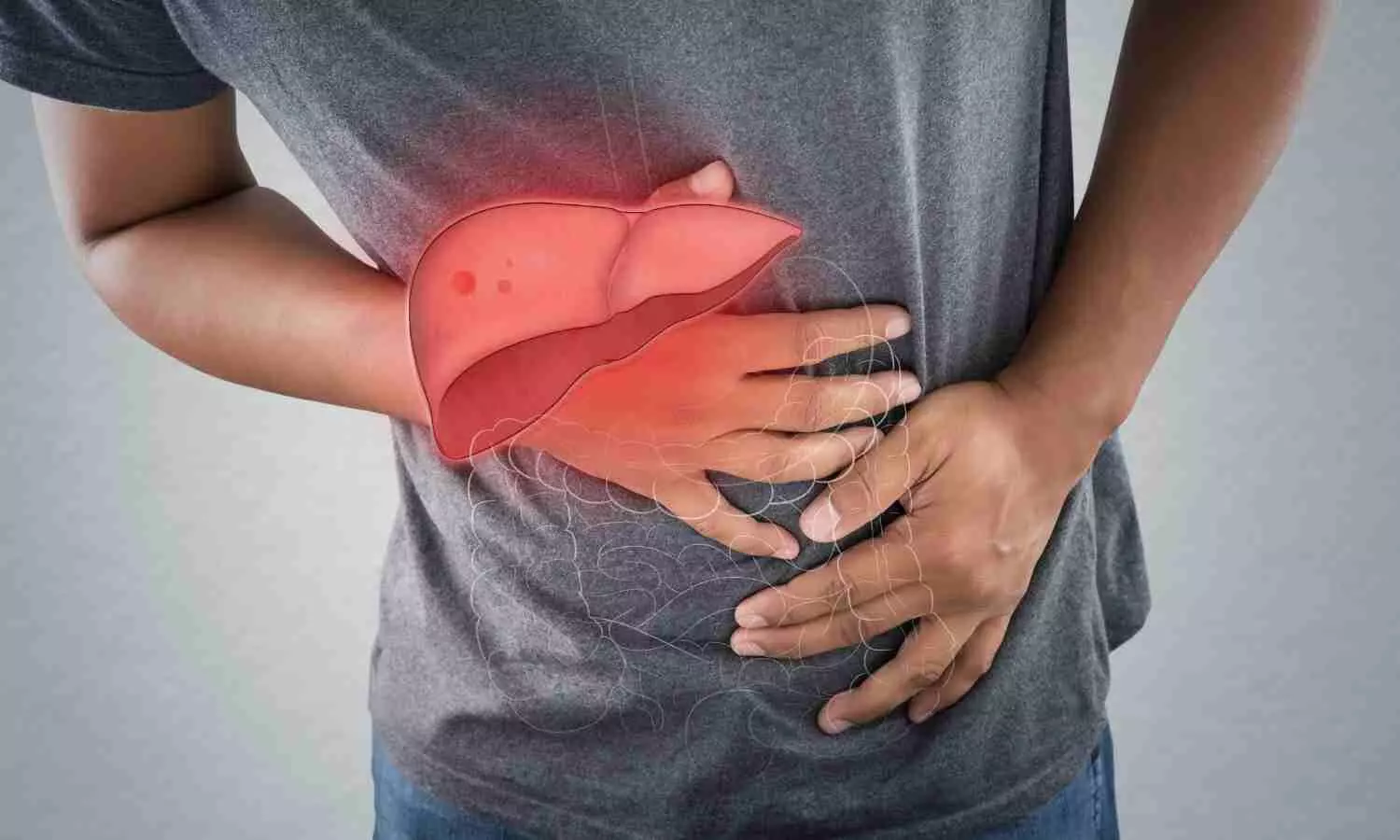
Immediate iFR-Guided PCI Not Superior to Deferred CMR-Guided for Non-Culprit Lesions in STEMI – TCT 2025

This news was covered by the Medical Dialogues Bureau, which was present at the TCT Conference 2025 held in San Francisco, USA.

Immediate instantaneous wave-free ratio (iFR)–guided percutaneous coronary intervention (PCI) was not superior to a deferred cardiac magnetic resonance (CMR)–guided PCI approach for non-culprit lesions in patients with ST-segment elevation myocardial infarction (STEMI) and multivessel disease, according to results from the iMODERN trial presented by Dr. Robin Nijveldt at TCT 2025.

The iMODERN trial was an international, investigator-initiated, open-label, randomized controlled study designed to compare immediate iFR-guided revascularization with a deferred, CMR-guided strategy within six weeks of primary PCI.

A total of 1,143 patients were enrolled across 41 sites and randomized to immediate iFR-guided PCI (n=556) or deferred CMR-guided PCI (n=587). Eligible patients presented with acute STEMI and at least one non-culprit lesion greater than 50% stenosis. Baseline characteristics were balanced between groups, with a mean age of 63 years and approximately 78% male participants.

In procedure and per-patient treatment patterns, the immediate iFR arm had a higher rate of identified positive non-culprit lesions (43.7% vs 21.8%) and a higher rate of PCI of positive lesions (42.6% vs 18.7%). Total procedural time (culprit + non-culprit) was shorter with immediate iFR (75.4 ± 33.3 minutes vs 90.0 ± 43.7 minutes), and mean total stent length was greater in the iFR arm (48.7 ± 29.7 mm vs 42.1 ± 27.7 mm). Time to non-culprit PCI was immediate in the iFR arm and a median 40 days (IQR 28–58) in the CMR arm.

For the primary endpoint—a composite of all-cause death, recurrent myocardial infarction, or hospitalization for heart failure at three years—no significant difference was observed between the two strategies (hazard ratio 0.95; 95% confidence interval 0.65–1.40; p=0.81).

Secondary and sensitivity analyses (as-treated and per-protocol) produced consistent findings: target-lesion failure at three years was similar (10.2% vs 10.5%), and rates of recurrent MI and overall cardiac death were comparable between arms. Notable secondary observations included fewer stroke/transient ischemic attack events in the iFR arm (1.3% vs 3.7%; HR 0.36) and a lower hospitalization-for-heart-failure rate at 12 months (0.4% vs 1.8%; HR 0.21), but overall clinical event rates remained low and without a clear advantage for immediate physiology-guided revascularization.

At three years, rates of target lesion failure, recurrent myocardial infarction, cardiac death, and unplanned revascularization were comparable between groups. Both approaches resulted in low long-term event rates, with no evidence of harm from either strategy.

Investigators concluded that immediate physiology-guided revascularization did not improve long-term outcomes compared with deferred CMR-guided assessment for non-culprit lesions in STEMI with multivessel disease.

Reference: Robin Nijveldt, Immediate Instantaneous Wave-Free Ratio Guided Versus Deferred Cardiac Magnetic Resonance Imaging Guided Revascularization of Non-Culprit Lesions in Patients with Acute STEMI: A Randomized Superiority Trial, TCT Conference 2025, San Francisco.

https://www.tctconference.com/

About the Study Presenter: Robin Nijveldt is Professor of Cardiovascular Imaging and Cardiologist at the Radboud University Medical Center (Nijmegen, the Netherlands), and connected to the Radboud Institute for Health Sciences. He works at the department of Cardiology and focuses on the Vascular damage research theme, with a special interest in Cardiovascular Magnetic Resonance imaging, CT and echocardiography, and in close collaboration with the department of Radiology. His research explores new imaging techniques and innovative strategies on today’s scientific health challenges, aiming to improve patient outcome in a personalized approach. He currently serves as Vice-President of the European Association of Cardiovascular Imaging (EACVI) and CMR section chair.

Powered by WPeMatico
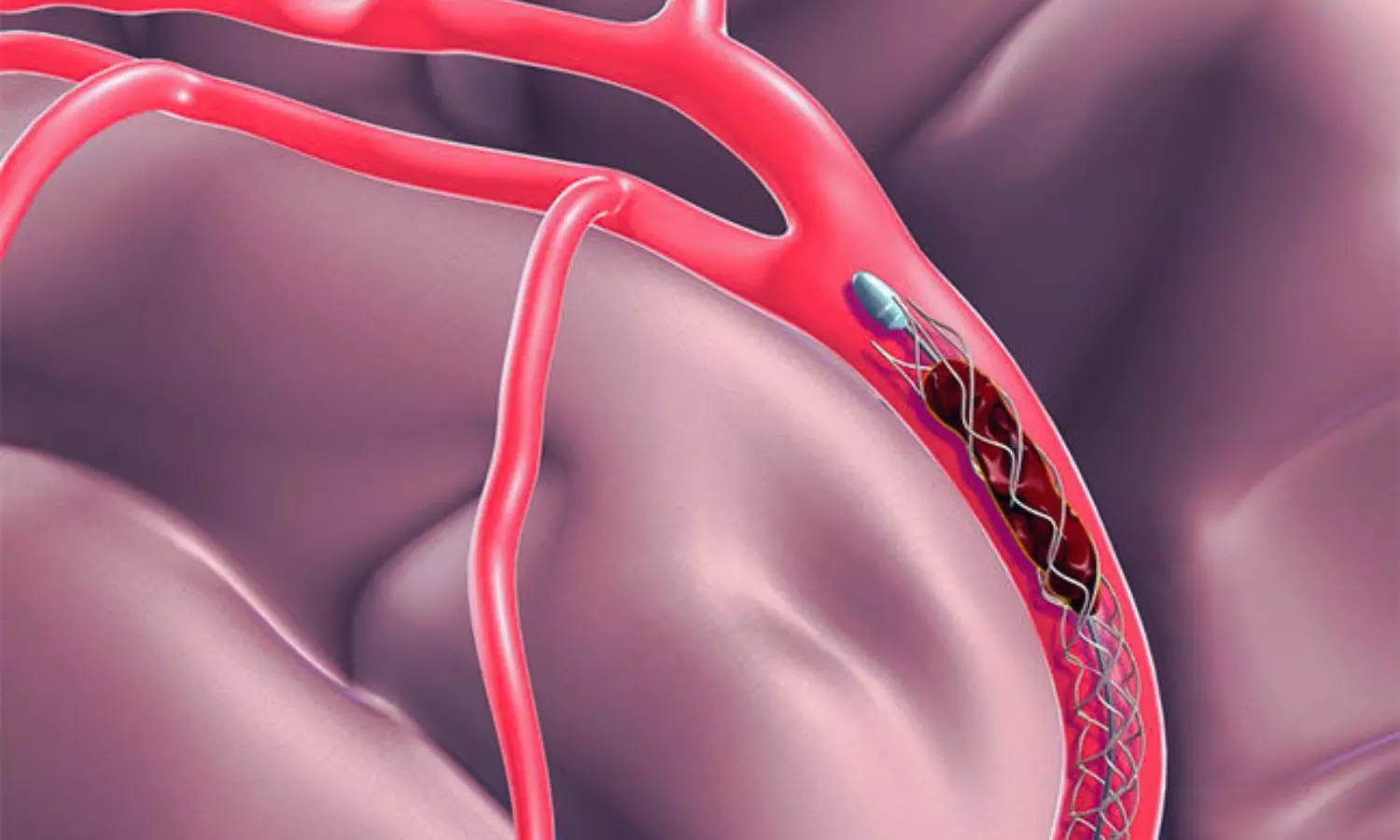
STORM-PE Trial: Mechanical Thrombectomy Shows Superior Heart Function Recovery in Pulmonary Embolism

USA: Results from the pivotal STORM-PE randomized controlled trial, presented as a Late-Breaking Clinical Trial at TCT 2025, have provided the first head-to-head evidence comparing mechanical thrombectomy (MT) combined with anticoagulation (AC) against anticoagulation alone in patients with acute intermediate-high-risk pulmonary embolism (PE).

The findings highlight that computer-assisted vacuum thrombectomy (CAVT) offers meaningful improvements in right-heart function while maintaining a strong safety profile, marking a major advancement in the treatment of this serious condition.
Pulmonary embolism remains a major cause of cardiovascular mortality. While anticoagulation is the standard treatment, patients with intermediate-high-risk PE—characterized by right ventricular dysfunction and elevated biomarkers—remain vulnerable to clinical worsening. Mechanical thrombectomy offers a catheter-based option to remove clot burden without the bleeding risks of thrombolysis, but until now, randomized evidence comparing it with anticoagulation alone has been lacking.
The STORM-PE trial enrolled around 100 patients across multiple centers who were randomly assigned to receive either anticoagulation alone or anticoagulation in combination with CAVT using the Indigo Aspiration System with Lightning Flash technology. All imaging assessments were reviewed by an independent core laboratory blinded to treatment allocation.
The primary endpoint was the change in right-to-left ventricular (RV/LV) ratio at 48 hours, an established marker of right-heart strain and predictor of PE outcomes, while secondary endpoints included changes in pulmonary artery pressure, clinical deterioration, and major adverse events.
The trial led to the following findings:
  • Patients treated with thrombectomy showed a significantly greater reduction in the RV/LV ratio at 48 hours compared with those receiving anticoagulation alone, indicating superior improvement in right ventricular function and pulmonary hemodynamics.
  • The thrombectomy group also demonstrated a greater decrease in pulmonary artery pressure, highlighting the physiological advantage of effective clot removal.
  • Despite improved efficacy, the safety profile remained comparable between the two groups, with no increase in major bleeding, device-related, or procedural complications among those undergoing thrombectomy.
  • The study included 100 patients (mean age around 60 years; 46% women) who had acute PE symptoms for less than 14 days, imaging-confirmed thrombus in a main or lobar pulmonary artery, and elevated cardiac biomarkers.
  • Median thrombectomy time was 25 minutes, and total procedure time averaged 56 minutes, demonstrating procedural efficiency.
  • Technical success was achieved in all cases, with no device-related transfusions or access-site complications reported.
  • Median hospital stays were short, and most patients achieved early clinical stability after the procedure.
  • At 48 hours, the mean RV/LV ratio reduction was 0.52 with thrombectomy compared to 0.24 with anticoagulation alone.
  • A higher proportion of patients achieved an RV/LV ratio decrease greater than 0.2 in the thrombectomy group (79.3%) than in the anticoagulation-only group (51.9%).
  • The composite rate of major adverse events within seven days—including mortality, recurrent PE, and major bleeding—was low in both arms (4.3% vs 7.5%), with no procedure-related deaths reported.
Experts presenting the findings noted that these results support the growing role of mechanical thrombectomy as an early interventional strategy for intermediate-high-risk PE, providing rapid hemodynamic improvement without additional bleeding risk. By demonstrating both superior efficacy and comparable safety, the STORM-PE trial paves the way for mechanical thrombectomy to become an integral component of pulmonary embolism management, bridging the gap between standard anticoagulation and high-risk thrombolytic therapy.
Reference:
Lookstein R. Randomized controlled trial of mechanical thrombectomy with anticoagulation versus anticoagulation alone for acute intermediate-high risk pulmonary embolism: primary results from STORM-PE. Presented at: TCT 2025. October 26, 2025. San Francisco, CA.

Powered by WPeMatico

Ketogenic diet may protect against stress experienced in the womb, suggests study

Researchers have shown that young rats fed a ketogenic diet – a diet with high fat and low carbohydrates – are protected from the lasting experience of pre-natal stress. This work, which needs to be confirmed in humans, is presented at the ECNP conference in Amsterdam

An extensive body of research has shown that if mothers experience stress while pregnant, the offspring can suffer ongoing psychological and development-related conditions.

Now a group of Italian researchers have shown that the biological changes induced by a ketogenic diet may help them to escape from the long-lasting effects of stress experienced in the womb.

The pregnant rats were stressed in the final week before birth. The offspring were weaned at 21 days after birth, and assigned either a control diet, or a ketogenic diet. At 42 days, the young animals were then tested for a variety of stress-induced deficits, such as poor sociability, or lack of interest in their surroundings (anhedonia). The animals which had received the ketogenic diet showed some notable differences over the control group, such as exhibiting longer grooming times, and greater sociability. The researchers found that if fed a normal diet, 50% of the rats born to stressed mothers showed stress-related problems in later life. However in those rats fed a ketogenic diet only 22% of male offspring, and 12% of female offspring, developed these problems.

The ketogenic diet has been shown to induce a variety of biological changes, such as enhancing mitochondrial efficiency and changing hormone balance.

According to lead researcher Dr Alessia Marchesin (of the University of Milan):

“We discovered that feeding young rats a ketogenic diet – a high‑fat, very low‑carbohydrate regimen – right after weaning almost completely protected them from the lasting effects of stress they’d experienced before birth. The diet seems to have acted like a shield for their developing brains, so preventing social and motivational problems from ever taking root.

This matters because it suggests a simple way to prevent the occurrence of mood and social disorders that often originate from childhood adversity. Rather than waiting until symptoms appear and then treating them with medications-many of which carry side effects-we might one day take advantage of the therapeutic properties of dietary interventions early in life to prevent the manifestation of full-blown pathologic condition. What’s more, we found that males and females benefited via different biological routes—males by reducing inflammation, females by boosting antioxidant defences-hinting that we could personalize and refine such dietary interventions.

If these findings translate to humans, we may be able to treat the long-term burden of prenatal trauma simply by adjusting what at‑risk kids eat”.

She added,

“There are a couple of points to note. The animals on the ketogenic diet grew more slowly than the controls, and so it may be that the reduced calory intake is associated with the later mental health benefits. And we see sex-specific differences which need to be better understood before we can apply this to humans”.

Reference:

Ketogenic diet may protect against stress experienced in the womb, European College of Neuropsychopharmacology, Meeting: 38th ECNP Congress.

Powered by WPeMatico

GLP-1 Receptor Agonists Linked to Lower Risk of Early Macular Degeneration: Study

Researchers have identified in a new study that exposure to glucagon-like peptide-1 receptor agonists (GLP-1RAs), commonly used for weight management, was associated with a substantially lower risk of early (nonexudative) age-related macular degeneration (AMD) development among nondiabetic individuals with obesity. The analysis found that GLP-1RA exposure was not linked with progression to advanced (exudative) AMD and, therefore, may provide retinal protection in nondiabetic patients. The study was published in JAMA Ophthalmology by Abhimanyu S. and colleagues.

GLP-1RAs like liraglutide and semaglutide have received international acclaim for their ability to treat obesity and enhance metabolic health. Prior studies suggested these medications may decrease AMD risk in patients who were diabetic, but the extent to which this same effect crossed into nondiabetic patients was uncertain. AMD is a major cause of irreversible loss of vision in elderly people, initially presenting as nonexudative (dry) alterations that may advance to exudative (wet) disease, resulting in severe visual impairment. Understanding the mechanism by which GLP-1RAs affect the course of this disease may initiate novel preventive measures for age-related eye diseases.

The research employed a large retrospective cohort of the TriNetX Global Collaborative Network with 91,408 patients aged 55 years or older diagnosed with overweight or obesity but not diabetes between January 2004 and July 2025. The participants were classified into two groups: those who received GLP-1RAs (liraglutide or semaglutide) and those who received other weight-loss medications (OWLDs) like lorcaserin, sibutramine, setmelanotide, fenfluramine, mazindol, orlistat, phentermine, and diethylpropion.

Propensity score matching was conducted for demographic and comorbidity balancing, yielding 45,704 matched patients in both cohorts. The main outcome was the incidence of nonexudative AMD at 5, 7, and 10 years, and secondary outcome measured progression to exudative AMD at 10 years. Risk ratios (RRs) and 95% confidence intervals (CIs) were used to find associations.

Results

  • After matching, the GLP-1RA arm consisted of 35,753 women (78.2%) and 7,852 men (17.2%) aged 61.1 years on average, whereas the OWLD arm consisted of 35,732 women (78.2%) and 7,815 men (17.1%) aged 61.0 years on average.

  • Covariate balance was attained for all variables.

  • The use of GLP-1RA was significantly linked with a lower risk of developing nonexudative AMD at several time points than the use of OWLD.

  • The risk reduction was most pronounced at 10 years, with users of GLP-1RA having an RR of 0.09 (95% CI, 0.05–0.16; P < 0.001). At 5 and 7 years, the RRs were 0.16 (95% CI, 0.10–0.28; P < 0.001) and 0.13 (95% CI, 0.08–0.22; P < 0.001), respectively.

  • No significant difference in progression from nonexudative to exudative AMD was found between the groups.

Within this large, multicenter cohort, the use of GLP-1 receptor agonists was found to be significantly protective against the development of nonexudative AMD in nondiabetic obese individuals but with no effect seen on progression to exudative AMD. These results imply that GLP-1RAs have protective effects on the retina and provide novel avenues for ophthalmic preventive care in older, metabolically at-risk populations.

Reference:

Ahuja AS, Paredes AA, Young BK. Glucagon-Like Peptide-1 Receptor Agonists and Age-Related Macular Degeneration. JAMA Ophthalmol. Published online October 23, 2025. doi:10.1001/jamaophthalmol.2025.3821

Powered by WPeMatico

Patients with coexisting psoriasis and diabetes face elevated all-cause mortality risk: Study

A new study published in the journal of Nature Scientific Reports showed that while cardiovascular mortality was unaltered, adults with psoriasis and diabetes had a 76% higher all-cause mortality and a more than 2-fold elevated cancer-specific mortality.

Systemic inflammation, immunological dysregulation, oxidative stress, and endothelial dysfunction are among the pathophysiological pathways shared by psoriasis and diabetes, 2 chronic inflammatory illnesses. Both disorders are linked to higher risks of metabolic syndrome, cardiovascular disease, and early death. Nonetheless, there is mounting evidence that their cohabitation may have a synergistic or cumulative effect on both cause-specific and total mortality.

Diabetes may increase the severity of psoriasis by compromising immune responses and microcirculation, while the persistent low-grade inflammation associated with psoriasis might aggravate insulin resistance and vascular damage in diabetic individuals. When combined, these diseases can worsen renal and hepatic dysfunction, increase the risk of myocardial infarction and stroke, and hasten atherosclerosis.

Examining the combined impact of psoriasis and diabetes on all-cause and specific-cause mortality can help identify high-risk groups, shed light on shared pathogenic pathways, and direct the creation of integrated therapeutic approaches meant to improve the outcomes of both inflammatory and metabolic diseases. This prospective cohort research investigated the relationships between the co-occurrence of psoriasis and diabetes with all-cause and cause-specific death.

A total of 16,852 individuals in the National Health and Nutrition Examination Surveys (NHANES) provided the data. People with both diabetes and psoriasis showed significantly higher risks of all-cause mortality (hazard ratio [HR]: 1.76, 95% confidence interval [CI]: 1.04-3.00) and cancer-specific mortality (HR: 2.90, 95% CI: 1.28–6.54) in fully adjusted models (adjusted for age, sex, race, BMI, smoking status, and comorbidities). Elevated risks of cancer and all-cause death were strongly correlated with comorbidity (P<0.05).

Overall, this study shows that having psoriasis and diabetes together is strongly linked to higher death rates from all causes and cancer. Clinical advice are still premature since causation cannot be proved due to the observational methodology. To further understand the underlying biological pathways and determine if certain therapies may reduce the increased mortality risk in people with both psoriasis and diabetes, more study is necessary.

Source:

Liu, N., & Chen, X. (2025). The co-impact of diabetes and psoriasis on mortality risk for all causes and specific causes. Scientific Reports, 15(1), 37463. https://doi.org/10.1038/s41598-025-21189-x

Powered by WPeMatico

Two common drugs could reverse fatty liver disease, reveals research

A team from Barcelona discovered that two existing drugs can safely reverse liver fat buildup in MASLD. The combination targets multiple pathways, potentially transforming treatment for fatty liver and related heart risks.

Metabolic dysfunction-associated steatotic liver disease is currently the most widespread liver disorder globally, affecting roughly one in three adults. It occurs when excess fat builds up inside liver cells, leading to serious liver damage and a higher risk of death from cardiovascular disease.

Researchers at the University of Barcelona have now found a promising approach that could change how this condition is treated. Their study, published in Pharmacological Research, reports that two existing drugs, pemafibrate and telmisartan, significantly reduced fat buildup in animal models of metabolic liver disease. The findings also suggest that using these medications together could ease liver damage while lowering related heart and blood vessel complications. Because available treatments for this disease remain very limited, the results point to a potentially safer and more effective therapeutic option.

The research was led by Marta Alegret, a professor at the University of Barcelona’s Faculty of Pharmacy and Food Sciences, and a member of the Institute of Biomedicine of the UB (IBUB) and the CIBER Area for Physiopathology of Obesity and Nutrition (CIBEROBN). The work was conducted in collaboration with scientists from the Santa Creu i Sant Pau Hospital Research Institute, the Hospital Clínic de Barcelona, the CIBER Area for Cardiovascular Diseases (CIBERCV), and Uppsala University (Sweden).

​​​​​​​Drug repurposing, a promising and cost-effective strategy

To date, most new experimental compounds developed for metabolic dysfunction-associated steatotic liver disease (MASLD) — formerly known as fatty liver disease — have failed during clinical trials, often because of safety concerns. This has turned attention toward drug repurposing, a strategy that explores new uses for medications already proven to be safe in humans. Such an approach is not only faster and more affordable but also particularly valuable for treating the early, often symptom-free stages of MASLD.

“We have focused on these phases with the aim of preventing the disease from progressing to more severe stages. But for a drug to be used in these early stages, it must have a good safety profile in humans,” explains Marta Alegret. “That is why we have studied drugs already on the market for other pathologies, which have been shown to be very safe and could have a potential benefit in the treatment of MASLD,” she adds.

In this study, the team evaluated the potential of two approved medications, given separately and together: a lipid-lowering agent (pemafibrate) and an antihypertensive drug (telmisartan). The first is marketed only in Japan, while the second is widely used for high blood pressure. Both are prescribed to reduce cardiovascular risk. “Mortality from cardiovascular causes is significant in patients with MASLD, and often these patients also have these two risk factors together,” Alegret stresses.

Zebrafish larvae, an alternative model for studying the disease

To confirm the efficacy of the drugs and explore their mechanism of action, the researchers have applied them to a rat model of the disease and, subsequently, to a zebrafish larval model. “In recent years, zebrafish have emerged as an interesting alternative model that facilitates the study of the pathophysiology of MASLD and the evaluation of treatments. These are simpler and cheaper models that allow results to be obtained more quickly and which, although they are not identical to humans, have a carbohydrate/lipid metabolism and liver physiology similar to those of mammals,” says the UB professor.

The results show that the combination of the two drugs reverses the fat accumulation in the liver induced by a diet high in fat and fructose. In addition, in the rat model, the combined administration of half a dose of pemafibrate and half a dose of telmisartan was found to be as effective as a full dose of either drug in reducing fat accumulation. “Combination therapy with drugs acting on different pathogenic pathways may be a better strategy than monotherapy, thanks to possible synergistic effects and reduced toxicity related to the use of lower doses of each drug,” Alegret points out.

The combination of these two drugs would be beneficial not only for liver disease, but also because “it lowers blood pressure and cholesterol levels, and all this would result in a lower cardiovascular risk,” she stresses.

​​​​​​​Different lipid-lowering mechanisms The study also found that each drug works by different mechanisms and describes, for the first time, the key role of the PCK1 protein in telmisartan-derived hepatic lipid lowering. “Telmisartan is a drug that has been used in other models of MASLD, but mostly in more advanced stages of the disease, and its beneficial effects have been attributed mainly to anti-inflammatory and anti-fibrotic effects. But in the early stages of the disease there is no inflammation or fibrosis yet, only lipid accumulation,” explains the researcher.

Researchers have now found that the amount of PCK1 protein in the livers of MASLD animals was reduced and that treatment with telmisartan restored its levels to normal. “This increase in PCK1 diverts the flux of metabolites from lipid synthesis to glucose synthesis. This increase in glucose production could be negative if the glucose were exported and accumulated in the blood, as it could lead to diabetes, but we have noticed that this is not the case,” says the UB professor.

Still far from clinical application

Despite these promising results, the researchers point out that, as this is a study using animal models, they are still far from patients. “In order to be translated into a treatment for MASLD patients, clinical studies would be needed to show that the benefits observed in animal models also occur in humans,” says Alegret. ​​​​​​​ In any case, the results raise new questions, such as whether the drugs will be equally effective in more advanced stages of the disease, when fibrosis is present. The research team is therefore already working on new studies in animal models of diet-induced liver fibrosis. “In addition, we will develop a dual model involving liver fibrosis and cardiovascular disease to see if the beneficial action is observed not only in the liver, but also in the reduction of atherosclerosis,” he concludes.

Reference:

Roger Bentanachs, Patricia Ramírez-Carrasco, Bianca Braster, Anastasia Emmanouilidou, Endrina Mujica, Maite Rodrigo-Calvo, Cristina Rodríguez, Núria Roglans, Marcel den Hoed, Juan C. Laguna, Marta Alegret. Telmisartan reverses hepatic steatosis via PCK1 upregulation: A novel PPAR-independent mechanism in experimental models of MASLD. Pharmacological Research, 2025; 218: 107860 DOI: 10.1016/j.phrs.2025.107860

Powered by WPeMatico

A breath test could help us detect blood cancers, reveals study

Molecules exhaled in the breath may help detect blood cancer, according to new research from Queen Mary University of London. The findings could enable the development of a blood cancer breathalyser, providing a rapid, low-cost way to detect disease. This tool may be particularly useful for areas with limited access to specialist equipment or expertise.

In the UK, around 40,000 people are diagnosed with blood cancer and around 16,000 people die of the disease each year. Diagnosing blood cancers can be challenging as early symptoms are often non-specific, such as fatigue and weight loss. Diagnosis usually relies on specialised tests such as imaging scans or biopsies, which can be expensive or difficult to access in some regions.

More rapid, low-cost and non-invasive test options could help us diagnose blood cancers earlier, when treatment has a higher chance of success. They could also help monitor the disease and track how well treatments are working.

“Previous studies have shown the value of using breath tests to detect lung cancer. But no one had ever investigated whether blood cancer cells release molecules that pass into the breath, despite the purpose of breathing being to exchange substances between the blood and the breath,” comments Dr John Riches, Clinical Reader at Barts Cancer Institute, Queen Mary University of London.

In a study published in HemaSphere, Dr Riches and his team demonstrate for the first time that a breath test could help us detect blood cancers. Using Breath Biopsy®, a breathalyser technology developed by Owlstone Medical, the team collected exhaled breath from 46 people with blood cancer and 28 healthy people. They then analysed the chemical fingerprint of the breath, searching for tens of thousands of molecular fragments using a technique called mass spectrometry.

The researchers showed that people with high-grade lymphoma, an aggressive type of blood cancer that affects the lymphatic system, have significantly increased levels of certain molecules in their breath compared with healthy people. These include molecules that are produced when fats in our cells are damaged by a process called oxidative stress, which is known to play a role in the development of cancer.

The simplicity, affordability and portability of breathalyser devices compared with conventional diagnostic methods also means they could be used anywhere in the world. This could particularly benefit low-resource settings that lack access to scanners or specialist histology staff and facilities, such as in rural areas or developing countries.

“In future, rather than sending patients away for costly scans and waiting for test results, doctors may be able to conduct a quick breath test in their clinic room and potentially have the results within a few seconds.” Dr Riches comments.

Further research is now needed to enable the development of an effective blood cancer breath test. The team will work to better understand the biology governing the production of the airborne molecules detected in patients’ breath, and which specific types of lymphoma are most reliably detectable using this method. This will aid the development of more specific and sensitive tests, which the researchers hope could shorten the current 10 minutes required for breath collection to just a few seconds.

Reference:

Lotte C. A. Stiekema, Hsuan Chou, Amy Craster, Bela Wrench, Katiuscia Bianchi, Paolo Gallipoli, Jeffrey K. Davies, John G. Gribben, John C. Riches, Analysis of volatile organic compounds in exhaled breath of blood cancer patients identifies products of lipid peroxidation as biomarkers for lymphoma detection, HemaSphere, https://doi.org/10.1002/hem3.70168.

Powered by WPeMatico

Titanium Brushes Non-Inferior to Implantoplasty in surgical treatment of peri implantitis: Study

A new study published in the Journal of Clinical Periodontology showed that titanium that rotates In the surgical treatment of peri-implantitis, brushes are not less effective than implantoplasty.

An inflammatory disorder called peri-implantitis affects the tissues around dental implants, which can cause increasing bone loss and even implant failure. To encourage re-osseointegration and avoid recurrence, effective surface cleaning is essential in its surgical therapy. The ability of implantoplasty and rotating titanium brushes to mechanically remove biofilm and smooth contaminated implant surfaces has drawn interest among other treatments.

While titanium brushes are made to debride implant threads while maintaining their morphology, implantoplasty entails mechanically altering and polishing the exposed implant surface to lessen surface roughness and bacterial adherence. Although both approaches seek to improve the microbiological and clinical results of peri-implantitis surgery, they vary in terms of clinical effectiveness, invasiveness, and impact on implant integrity. Thus, this study assessed the results of treatment after implantoplasty or the use of rotating titanium brushes in the surgical management of peri-implantitis.

This 12-month randomized clinical study with a non-inferiority setup included 30 patients with peri-implantitis who required surgery. Implantoplasty (control group) or titanium brushes (test group) were used for surface cleansing. In addition to patient-reported outcomes (Oral Health Impact Profile-14; OHIP-14), clinical and radiographic indicators were assessed.

At 12 months, 6/15 implants in the test group and 4/15 in the control group had the composite result. As evidence of the test procedure’s non-inferiority, probing pocket depth (PPD) values dropped by 3.6 ± 1.5 mm (test) and 3.3 ± 1.2 mm (control). The bone levels of the test group stayed the same (0.0 ± 0.6 mm), however the control group saw more bone loss (0.7 ± 1.2 mm).

Relevant predictors for pocket closure were baseline PPD (p = 0.044) and the existence of a neighboring implant with peri-implantitis (p = 0.033). The test’s surface decontamination time (3 min 1 s) was substantially less than that of the control group (5 min 27 s) (p = 0.006). The results of the OHIP-14 were statistically indifferent.

Overall, when compared to implantoplasty, the use of a revolving titanium brush in surgical treatment for peri-implantitis produces non-inferior results. Utilizing the titanium brush was linked to shorter treatment times and improved preservation of peri-implant MBLs.

Source:

Park, S.-H., Kim, D.-B., Kim, D.-M., Sanz-Martin, I., Sanz-Sanchez, I., Derks, J., & Cha, J.-K. (2025). Implantoplasty vs. Rotating titanium brushes in the surgical treatment of Peri-implantitis: A 1-year randomised controlled clinical trial. Journal of Clinical Periodontology. https://doi.org/10.1111/jcpe.70056

Powered by WPeMatico

Patients undergoing endovascular Thrombectomy for Large Vessel Occlusion Stroke under GA had improved outcomes: JAMA

A recent randomized clinical trial published in JAMA Neurology found that patients with large vessel occlusion acute ischemic stroke who underwent endovascular thrombectomy under general anesthesia experienced better ninety-day functional outcomes and higher rates of successful reperfusion compared with those treated under moderate sedation.

The study enrolled patients with acute ischemic stroke due to large vessel occlusion and randomized them to receive endovascular thrombectomy under either general anesthesia or moderate sedation. The primary endpoint was the proportion of patients achieving a favorable functional outcome, defined as a modified Rankin Scale score of zero to two at ninety days. Secondary endpoints included rates of successful reperfusion and periprocedural complications. Results showed that patients in the general anesthesia group had significantly higher rates of favorable outcomes and successful reperfusion compared with the sedation group. There were no significant differences in the incidence of periprocedural complications between the two groups. These findings suggest that general anesthesia may provide advantages over moderate sedation by optimizing procedural conditions during endovascular thrombectomy for large vessel occlusion stroke, potentially leading to improved clinical outcomes. The authors recommend further studies to confirm these results and investigate the mechanisms contributing to the observed benefits of general anesthesia.

This trial adds to the growing body of evidence guiding anesthetic strategies in acute stroke interventions and may influence clinical practice guidelines regarding the optimal anesthetic approach for endovascular thrombectomy in patients with large vessel occlusion acute ischemic stroke.

Keywords:

endovascular thrombectomy, large vessel occlusion, acute ischemic stroke, general anesthesia, moderate sedation, randomized clinical trial, functional outcomes, reperfusion, periprocedural complications

Reference:
Chabanne R, et al. Effect of General Anesthesia vs Moderate Sedation on Outcomes in Patients Undergoing Endovascular Thrombectomy for Acute Ischemic Stroke: A Randomized Clinical Trial. JAMA Neurol. Published online October 13, 2025. doi:10.1001/jamaneurol.2025.3901.

Powered by WPeMatico

Women with Gestational Diabetes Face Greater Chances of Developing Kidney Disease Later in Life: Meta-Analysis

China: A new meta-analysis published in the Journal of Diabetes and Its Complications has revealed that women who develop gestational diabetes mellitus (GDM) during pregnancy face a substantially higher risk of developing chronic kidney disease (CKD) later in life.

The study, led by Qin Zhou and colleagues from the Kidney Disease Center at The First Affiliated Hospital, Zhejiang University School of Medicine, China, analyzed data from over 21 million pregnancies to better understand this connection.
Gestational diabetes, a form of glucose intolerance first identified during pregnancy, has long been associated with an elevated risk of developing type 2 diabetes in later years. However, its impact on kidney health has remained uncertain. This meta-analysis provides stronger evidence that GDM itself may contribute to future kidney complications, independent of other factors.
The investigators systematically reviewed data from eight studies retrieved from PubMed, Embase, and the Cochrane Library up to May 2025. Collectively, these studies included 21,806,683 pregnant women.
The researchers reported the following findings:
  • Women with a history of gestational diabetes mellitus (GDM) had a 79% higher risk of developing chronic kidney disease (CKD) compared to those without GDM.
  • High-quality studies and analyses adjusted for key confounding factors showed an even stronger association, with more than a 2.5-fold higher risk (odds ratio ~2.76).
  • The pooled analysis confirmed a significant link between GDM and CKD (OR = 1.79).
  • Subgroup analyses restricted to high-quality and adjusted studies consistently supported the observed association.
The authors emphasized that although the findings were statistically significant, the degree of variation (heterogeneity) among the included studies was high, suggesting that differences in study design, population characteristics, or follow-up duration may have influenced the results.
Dr. Zhou and colleagues suggested that long-term renal monitoring of women who experienced GDM could play a key role in the early detection and prevention of CKD. Given that both diabetes and kidney disease are chronic conditions with major public health implications, early intervention may help reduce future complications.
While the biological mechanisms linking GDM to CKD are still being explored, the researchers proposed several possibilities. Shared metabolic pathways, including insulin resistance, inflammation, and vascular dysfunction, may predispose women with GDM to progressive kidney damage over time. Additionally, persistent glucose abnormalities after pregnancy might accelerate renal decline.
The study emphasizes the importance of considering GDM not just as a temporary pregnancy-related condition but as a potential early warning marker for long-term kidney health. The authors called for more prospective studies to clarify the underlying mechanisms and to establish optimal strategies for monitoring and managing kidney function in women with a history of gestational diabetes.
“The comprehensive analysis highlights a significant and consistent association between gestational diabetes and an elevated risk of chronic kidney disease, reinforcing the need for ongoing surveillance and preventive care in this high-risk group,” the authors concluded.
Reference:
Zhou, Q., Yang, H., Xie, X., & Wang, R. (2025). Gestational diabetes mellitus and the subsequent risk of chronic kidney disease: A systematic review and meta-analysis. Journal of Diabetes and its Complications, 109197. https://doi.org/10.1016/j.jdiacomp.2025.109197

Powered by WPeMatico