Unilateral biportal endoscopic decompression Proves Safe and Effective for Managing FLLDH: Study

A new study published in the journal of BMC Surgery revealed that far lateral lumbar disc herniation (FLLDH) presents diagnostic and surgical challenges, but unilateral biportal endoscopic decompression (UBED) offers outcomes comparable to conventional LDH treatments, which ensures safety, effective pain relief, minimal complications, and favorable long-term surgical results.

This study from April 2023 to January 2024, analyzed 25 patients who underwent UBED for single-level FLLDH and compared their outcomes with 30 patients treated for the more common paracentral lumbar disc herniation (LDH). 

This research reported that patients in the FLLDH group underwent a significant reduction in pain and disability after surgery. The Visual Analogue Scale (VAS) scores for both back pain (VAS-BP) and leg pain (VAS-LP), as well as the Oswestry Disability Index (ODI), showed marked improvement when compared to preoperative levels.

Before surgery, the patients with FLLDH reported higher leg pain scores than the individuals with paracentral LDH, which indicated a more severe initial symptom burden. However, postoperatively, both groups showed similar pain relief and functional recovery, suggesting that UBED is equally effective across different disc herniation types.

The mean operative time for the UBED procedure was approximately 96 minutes, and the average hospital stay was 6.44 days, both reflecting efficient surgical management for a complex spinal condition. Drainage volume and postoperative hospitalization durations were within acceptable clinical ranges.

The complications were minimal and statistically similar between the groups. There were no reports of significant nerve injury, infection, or recurrent herniation. Also, no notable progression in disc or adjacent segment degeneration was observed during the follow-up period.

Based on the modified MacNab criteria, which assessed postoperative functional outcomes and patient satisfaction, 88% of the FLLDH patients achieved “good” to “excellent” results. These high satisfaction rates highlight UBED’s potential as a preferred option for treating far lateral disc herniations cases that have traditionally been more difficult to manage due to their anatomical complexity. Overall, the findings of this study suggests that UBED is a viable and effective surgical method for FLLDH, offering pain relief, functional improvement, and low complication rates comparable to more common LDH surgeries.

Source:

Yuan, S., Ma, Z., Chen, R., Wang, A., Xi, Y., Wang, T., Fan, N., Du, P., & Zang, L. (2025). Clinical outcomes of unilateral biportal endoscopic discectomy for the treatment of far lateral lumbar disc herniation: a retrospective comparative study. BMC Surgery, 25(1), 457. https://doi.org/10.1186/s12893-025-03210-2

Powered by WPeMatico

Necrotising enterocolitis Significantly Increases Risk of Acute Kidney Injury in Preterm Infants, reveals research

Researchers have found in a new study that necrotising enterocolitis (NEC) particularly raises the preterm infant’s risk of developing acute kidney injury (AKI) considerably, and hence there is a need for monitoring kidney function in early stages among this at-risk group. NEC is among the most critical gastrointestinal emergencies in neonates and is still one of the top causes of morbidity and mortality among premature infants. The study was published in the European Journal of Pediatrics by Dermot W. and colleagues.

The study was done as a retrospective 1:2 case–control study in a tertiary NICU from October 2018 to October 2023. The study involved 149 preterm infants, of which 49 were diagnosed with NEC and 100 were matched controls. The matching was done according to birth weight, gestational age, and gender to reduce confounding variables. AKI was determined according to modified neonatal KDIGO criteria, taking into account both urine output and serum creatinine levels to provide diagnostic accuracy.

Results

•Total infants: 149 (49 NEC, 100 controls)

• Overall AKI incidence: 16.8% (25 infants)

• AKI in NEC group: 30.6%

• AKI in control group: 10%

• Adjusted odds ratio for AKI with NEC: 3.6 (95% CI 1.3–10.2, p = 0.0129)

• Median time to AKI onset: 2 days after NEC diagnosis

• Mortality in NEC with AKI: 60%

• Mortality in NEC without AKI: 20.6%

• Association between Bell stage and AKI: Not significant

The present study presents strong evidence that necrotising enterocolitis increases significantly the risk of acute kidney injury among preterm infants, regardless of birth weight, gestational age, or drug use. As AKI occurrence almost tripled in NEC patients and related mortality up to 60%, the inclusion of early kidney surveillance in NEC management protocols is warranted.

Reference:

Wildes, D., Cleary, B.P., Terry, C. et al. Acute kidney injury in infants with necrotising enterocolitis: A case–control study. Eur J Pediatr 184, 687 (2025). https://doi.org/10.1007/s00431-025-06530-w

Powered by WPeMatico

Atopic Dermatitis Significantly Raises Risk of Fibromyalgia, New Study Shows

Taiwan: Patients with atopic dermatitis (AD) face a markedly higher likelihood of developing fibromyalgia, a large Taiwanese cohort study published in the Indian Journal of Dermatology, Venereology and Leprology has suggested.

The nationwide analysis revealed that individuals with AD had more than a sevenfold greater risk of fibromyalgia compared with people without the skin condition. The risk was even more pronounced in those with moderate-to-severe AD and among younger patients, highlighting the need for early pain assessment and monitoring in this population.
The research was led by Dr. Chien-Peng Huang from the Department of Pathology, Tri-Service General Hospital, National Defense Medical Center in Taipei, Taiwan, alongside an international team of collaborators. Drawing on data from Taiwan’s National Health Insurance Research Database, the investigators aimed to clarify whether AD—an inflammatory skin disorder—predisposes patients to fibromyalgia, a chronic pain syndrome thought to share neuroimmune and inflammatory pathways with AD.
The team evaluated health records from 1995 to 2010, identifying 4,147 patients aged 10 years or older with atopic dermatitis but no prior psychiatric history. For comparison, they selected 41,470 age- and sex-matched individuals without AD. All participants were tracked until 2013. Using stratified Cox-regression models adjusted for potential confounders, the researchers assessed the incidence of fibromyalgia across age groups and disease severity.
Key Findings:
  • Patients with atopic dermatitis (AD) had an adjusted hazard ratio (aHR) of 7.12 for developing fibromyalgia compared with controls.
  • Moderate-to-severe AD was linked to a hazard ratio of 7.72 for fibromyalgia.
  • Mild AD carried a hazard ratio of 6.97 for fibromyalgia.
  • Participants younger than 20 years had the highest risk, with a hazard ratio of 13.59.
  • Adults aged 20 to 59 years had a hazard ratio of 6.31.
  • Individuals over 60 years still faced a significant risk, with a hazard ratio of 3.89.
The authors note that shared neuroinflammatory mechanisms may explain the link between these conditions. Chronic inflammation, immune dysregulation, mast cell activation, and genetic factors such as polymorphisms in T-helper cells and interferon-related genes have all been implicated. Vitamin D imbalances may further contribute to the interplay between AD and fibromyalgia.
While the findings are compelling, the researchers acknowledge several limitations. Fibromyalgia cases were identified using ICD-9-CM codes, which may underestimate true incidence, and the database lacked details on lifestyle factors, family history, or environmental exposures that could affect disease development. Despite these constraints, the study’s strength lies in its large sample size and physician-confirmed diagnoses.
The authors urge clinicians to remain alert to signs of fibromyalgia in patients with atopic dermatitis, particularly younger individuals and those with more severe skin disease. Early screening and timely management, they emphasize, could improve quality of life and long-term outcomes for this at-risk population.
Reference:
Huang CP, Huang JS, Tsai SJ, Su TP, Chen TJ, Bai YM, et al. Increased risk of fibromyalgia in patients with atopic dermatitis: A nationwide longitudinal study. Indian J Dermatol Venereol Leprol. doi: 10.25259/IJDVL_577_2025

Powered by WPeMatico

Sleep Disturbances Significantly Increase the Risk of Cognitive Decline and Dementia, finds study

Researchers have determined in a new study that diverse sleep disturbances markedly elevate the risk of cognitive decline and dementia, placing high value on the management of sleep as a prominent modifiable cause in brain preservation. This study reaffirmed that insufficient and excessive sleep, insomnia, and poor sleep quality are robust predictors of cognitive decline and dementia, including Alzheimer’s disease (AD) and vascular dementia (VD). The study was published in the Journal of Neurology by Jinhuan Z. and colleagues.

The research team searched PubMed, EMBASE, and Web of Science databases systematically until February 18, 2025, for cohort studies that had investigated the longitudinal association of sleep disorders with cognitive impairment or dementia. There were 76 cohort studies found to be eligible, including eight categories of sleep disturbances. The aggregated data were used to calculate relative risks (RRs) for 95% confidence intervals (CIs) to examine associations between individual sleep issues and several cognitive outcomes. Sensitivity analysis was used to test robustness of findings, with Egger’s and Begg’s tests used to identify publication bias. Sources of heterogeneity between studies were examined with meta-regression analysis.

Results

• The study uncovered that various types of sleep disturbances are strongly associated with higher risks of cognitive impairment and dementia.

• Insomnia was linked with a small but significant increase in risk of dementia (RR = 1.13).

• Both short sleep time (≤7 hours) and long sleep time (≥8 hours) were harmful short sleep was associated with a 27% greater risk (RR = 1.27), whereas long sleep was associated with a 23% greater risk of cognitive decline, 43% greater risk of all-cause dementia, and a 66% greater risk of Alzheimer’s disease (RR = 1.66).

• In addition, excessive daytime sleepiness was found to be a very significant risk factor, with RR = 1.85 for vascular dementia, RR = 1.41 for all-cause dementia, and RR = 1.37 for cognitive decline.

• Sleep-related movement disorders had the most significant impact, with an increase in vascular dementia risk more than 2.5 times (RR = 2.53).

• Moreover, sleep quality was associated with increased risks of Alzheimer’s disease (RR = 1.24), all-cause dementia (RR = 1.17), and cognitive decline (RR = 1.18).

This large scale meta-analysis offers strong evidence that sleep disturbances are important independent risk factors for dementia and cognitive decline, especially Alzheimer’s disease and vascular dementia. Sleep management should be given priority as a preventive strategy in clinical and community settings. By ensuring early detection and intervention for sleep disorders, clinicians can potentially reduce the increasingly large global burden of dementia and enhance overall cognitive health outcomes.

Reference:

Zhang, J., Ou, J., Lu, X. et al. Sleep disorders and the risk of cognitive decline or dementia: an updated systematic review and meta-analysis of longitudinal studies. J Neurol 272, 689 (2025).https://doi.org/10.1007/s00415-025-13372-x

Powered by WPeMatico

Double Trouble: Study Shows PSC Patients with IBD Face Higher Cancer, Transplant, and ICU Risks

USA: Patients diagnosed with both primary sclerosing cholangitis (PSC) and inflammatory bowel disease (IBD) face significantly worse clinical outcomes compared to those with either condition alone, a new study published in the Journal of Internal Medicine has shown.

The research, led by Chengu Niu from the Internal Medicine Residency Program at Rochester General Hospital, highlights the compounded risks associated with this dual diagnosis, including increased mortality, hospitalizations, colorectal cancer, and liver transplant rates.
PSC, a chronic liver disease characterized by inflammation and scarring of the bile ducts, is frequently seen alongside IBD, particularly ulcerative colitis. While each condition carries its own set of complications, their coexistence has long been suspected to exacerbate disease severity, though robust data have been limited.
Using the TriNetX database, the researchers conducted a retrospective analysis comparing outcomes among three patient groups: 1,941 individuals with both IBD and PSC, 234,081 with IBD alone, and 628 with PSC alone. Propensity score matching and International Classification of Diseases-10 coding were used to ensure accurate identification and comparison of clinical outcomes.
The study revealed the following findings:
  • Patients with both IBD and PSC had more than double the risk of mortality compared to those with IBD alone (16.0% vs. 7.5%; HR: 2.26).
  • Hospitalization rates were higher in IBD–PSC patients (32.8%) compared to IBD-only patients (14.5%; HR: 2.64).
  • Intensive care unit admissions were nearly four times higher in the IBD–PSC group (18.7% vs. 5.8%; HR: 3.69).
  • The risk of colorectal cancer was three times higher in patients with both IBD and PSC (2.4% vs. 0.7%; HR: 3.37).
  • Patients with IBD–PSC were more likely to undergo liver transplantation than those with PSC alone (12.3% vs. 8.0%; HR: 1.49).
  • Rates of hepatocellular carcinoma and cholangiocarcinoma were similar between IBD–PSC patients and PSC-only patients.
These findings suggest that the coexistence of PSC and IBD not only compounds liver and gastrointestinal complications but also amplifies the overall clinical burden, including cancer risk and the likelihood of requiring liver transplantation. The study highlights the need for careful monitoring, aggressive disease management, and tailored therapeutic strategies for this high-risk population.
While the study provides important insights, the authors note that further research is necessary to understand the underlying mechanisms driving these outcomes. Improved understanding could inform targeted interventions to reduce complications, optimize care, and improve survival for patients navigating both PSC and IBD.
“The study emphasizes that patients with coexisting PSC and IBD face significantly higher risks of mortality, hospitalization, colorectal cancer, and liver transplant. Clinicians managing these patients should be aware of the compounded risks and prioritize comprehensive monitoring and proactive management strategies,” the authors concluded.
Reference:
Niu, C., Zhang, J., Bhatta, P., Zhu, K., Jadhav, N., Okolo, P. I., Mushtaq, A., & Daglilar, E. Coexisting inflammatory bowel disease in primary sclerosing cholangitis is associated with higher colorectal cancer and transplant risk. Journal of Internal Medicine. https://doi.org/10.1111/joim.70026

Powered by WPeMatico

Laser correction for short-sightedness safe and effective for older teenagers: Study

A major study of laser correction for short-sightedness shows that the procedure is as safe and effective in older teenagers as it is in adults, according to research presented today (Tuesday) at the 43rd Congress of the European Society of Cataract and Refractive Surgeons (ESCRS). 

Short-sightedness, or myopia, affects around a third of children and teenagers and research suggests that it is becoming more common.

A laser treatment, called photorefractive keratectomy (PRK), is widely used to treat myopia in adults but questions remain over its use in teenagers.

The new study was presented by Dr Avinoam Shye, from the Department of Ophthalmology at Rambam Health Care Campus in Haifa, Israel. He said: “Some doctors worry that the eyes of teenagers may still be changing or that their eyes might respond differently to healing after laser treatment, increasing the risk of side effects. However, in certain situations teenagers do want permanent solutions to their myopia.

“We noticed that despite these concerns, many teenagers aged 17 or 18 were getting excellent results. That led us to study whether PRK is truly a safe and effective option for this age group.”

The study included a group of patients with myopia who were treated with PRK at Care-Vision Laser Centers, Tel Aviv, Israel, between January 2010 and June 2024, with 65,211 eyes treated in total.

PRK involves using a laser to remove tissue from the cornea, the clear, dome-shaped layer that covers the pupil and iris. The cornea acts as window for light to enter the eye, so reshaping the cornea can improve the way light enters the eye and treat vision problems including myopia.

Dr Shye and his colleagues grouped the patients according to their age, so they could compare the effects of laser treatment in those aged 17 to 18 with those aged 19 to 40.

They found that the outcomes for older teenagers were as good or even better than they were for adults. Around 64% of the teenagers’ eyes achieved 20/20 vision (normal visual acuity), compared with 59% of adult eyes.

The proportion of eyes that required a second treatment was very low (0.41%) in both groups. Complications such as hazy vision or weakening of the cornea (ectasia) were also very rare in both groups.

Dr Shye said: “This is by far the largest study of PRK in teenagers, and this large sample size means the findings are very reliable. A limitation is that it is a retrospective study, meaning we analysed data that were already collected, rather than setting up a new trial from the beginning.

“The research suggests that for well-screened teenagers with stable myopia, PRK could be a safe and effective option, especially when contact lenses or glasses are not ideal. These findings may support expanding the criteria for offering PRK to selected teenagers. Age alone should not disqualify a motivated and well-suited teenager from having this treatment.”

The researchers will continue to monitor the teenagers who received laser treatment to check for very late complications or changes in vision.

Professor Thomas Kohnen is Chair of the ESCRS Publication Committee, Director of the Department of Ophthalmology at Goethe University Frankfurt, Germany, and was not involved in the research. He said: “Short sightedness is increasing worldwide in children and teenagers, and it can worsen up to the age of 30. In children, short sightedness is treated with glasses or contact lenses, while adults can choose to have laser treatment to correct their vision.

“This large cohort study of photorefractive keratectomy for treating short sightedness shows that the procedure is safe and effective for older teenagers, suggesting that this could be an alternative option to glasses or contact lenses for some young people.”

Reference:

Laser correction for short-sightedness is safe and effective for older teenagers, European Society of Cataract and Refractive Surgeons, Meeting, 43rd Congress of the European Society of Cataract and Refractive Surgeons.

Powered by WPeMatico

Increased night light exposure post-bedtime accelerates pubertal onset: Study

A new study published in The Journal of Clinical Endocrinology and Metabolism showed that for both boys and girls, rapid pubertal onset was associated with increased Light at night (LAN) exposure, particularly after bedtime.

According to recent research, an earlier beginning of puberty may be linked to nocturnal exposure to greater bedroom light. The reduction of melatonin release, a hormone that aids in regulating sleep and pubertal timing, and the disturbance of circadian rhythms are thought to be the causes of this impact. The hypothalamic-pituitary-gonadal (HPG) axis may be prematurely activated by low melatonin levels, resulting in early hormonal alterations and physical development.

An increased risk of metabolic diseases, psychological stress, and problems with reproductive health later in life has been associated with early pubertal onset. Therefore, it is essential to comprehend how exposure to ambient light affects endocrine function and developmental timing. Thus, this study was set to find out if exposure to LANs in bedrooms at the individual level is linked to earlier pubertal onset in both boys and girls.

This prospective research examined 886 boys and girls between the ages of 6 and 10 in Tianchang, Anhui province, China, starting in September 2022. Using a portable illuminance meter at baseline, bedroom LAN exposure was measured every minute for 2 nights. Testicular volume in boys and breast growth in females were measured at baseline and every 6 months for 2 years. The relationships between the timing, intensity, and duration of LAN exposure and an earlier beginning of puberty were investigated using Accelerated Failure Time (AFT) models.

When comparing the greatest LAN exposure group to the lowest exposure group, puberty began 4.12 months earlier for females (TR, 0.96; 95% CI, 0.94–0.98) and 3.84 months earlier for boys (TR, 0.96; 95% CI, 0.95–0.98). A 9% increased risk of earlier testicular development in boys (HR, 1.09; 95% CI, 1.02–1.16) and a 12% increased risk of earlier thelarche in females (HR, 1.12; 95% CI, 1.07–1.16) were linked to each 30-minute increase in the length of LAN exposure > 3 lx.

Also, exposure to post-bedtime light (PBL) was associated with a greater risk than exposure to pre-awake light (PAL). Overall, these results imply that exposure to LANs at the individual level accelerates the beginning of puberty in both boys and girls, especially in the post-bedtime interval.

Source:

Zhou, Y., Ding, W.-Q., Li, Y., Zhu, H.-Z., Liu, D.-Y., Qie, X.-J., Tao, F.-B., & Sun, Y. (2025). Brighter bedroom light at night predicts risk for earlier pubertal onset: a two-year longitudinal study. The Journal of Clinical Endocrinology and Metabolism, dgaf526. https://doi.org/10.1210/clinem/dgaf526

Powered by WPeMatico

Post-Exercise Greek Yogurt Reduces Inflammation in Young Men, Study Finds

Canada: A study published in Nutrients compared post-exercise Greek yogurt consumption with a carbohydrate pudding control and evaluated its effects on systemic inflammation markers during an exercise training program. The findings suggest that incorporating Greek yogurt after workouts may help improve circulating inflammatory markers in healthy young men.

The research, conducted by Emily C. Fraschetti and colleagues from the School of Kinesiology and Health Science, Muscle Health Research Centre, Faculty of Health, York University, Toronto, aimed to understand whether fermented dairy products like Greek yogurt could enhance the anti-inflammatory adaptations typically seen with regular resistance training.
The randomized controlled trial included 30 healthy young males who participated in a 12-week resistance and plyometric exercise regimen. Participants were randomly assigned to either a Greek yogurt (GY) group or a carbohydrate pudding (CP) group, both consuming their respective supplements after each workout session. Blood samples were collected at baseline, week 1, and week 12 to measure a range of inflammatory biomarkers, including tumor necrosis factor-alpha (TNF-α), interleukin (IL)-6, IL-1β, IL-1 receptor antagonist (IL-1ra), IL-10, and C-reactive protein (CRP).
The study revealed the following findings:
  • Both exercise groups showed reductions in certain pro-inflammatory markers and increases in anti-inflammatory responses.
  • CRP and IL-1ra levels increased at week 1 compared to baseline and week 12.
  • IL-1β levels decreased by week 12, indicating an overall anti-inflammatory effect of the training program.
  • Participants consuming Greek yogurt had lower IL-6 levels at week 12 compared with the carbohydrate pudding group.
  • Those consuming carbohydrate pudding showed higher TNF-α levels and an increased TNF-α/IL-10 ratio, suggesting elevated inflammation.
  • Linear regression analyses indicated that Greek yogurt intake resulted in greater reductions in resting IL-6 and TNF-α concentrations from baseline to week 12 compared to the carbohydrate control.
The researchers noted that initial levels of IL-1ra, IL-10, and CRP influenced the extent of changes in inflammation, suggesting individual baseline inflammation and body composition might affect outcomes. Despite these promising findings, the authors acknowledged several limitations. The trial was not primarily designed to assess inflammation, and the sample consisted of young, healthy men with low baseline inflammatory levels, which may limit generalizability to other populations. Additionally, the absence of an exercise-only or no-exercise control group restricted the ability to separate the effects of exercise and nutrition.
“Regular resistance training improved several inflammatory markers, and pairing it with Greek yogurt appeared to further enhance these benefits. The study provides early evidence that fermented dairy products could serve as effective post-exercise nutrition to modulate inflammation,” the authors concluded. “Future research is warranted to explore how fermented dairy might impact immune function and inflammation in broader and more diverse populations.”
Reference:
Fraschetti, E. C., A., A., Perry, C. G., & Josse, A. R. (2024). Resistance Exercise Training and Greek Yogurt Consumption Modulate Markers of Systemic Inflammation in Healthy Young Males—A Secondary Analysis of a Randomized Controlled Trial. Nutrients, 17(17), 2816. https://doi.org/10.3390/nu17172816

Powered by WPeMatico

Childhood Obesity Increased the Risk of COPD in Adulthood: Study

A recent study published in the journal of Respiratory Medicine revealed that children with higher body mass index (BMI) levels during childhood face a greater risk of developing chronic obstructive pulmonary disease (COPD) in adulthood. This study used data from over 270,000 individuals, which highlighted the long-term respiratory consequences of early-life obesity and reinforce the importance of childhood weight management for lifelong lung health.

This research from the Copenhagen School Health Records Register analyzed BMI measurements taken from 276,747 children born between 1930 and 1982. The participants, aged 6 to 15 years at the time of measurement, were followed through national health registers from 1977 to 2022. The team was set to determine whether childhood BMI patterns were linked to COPD diagnoses occurring from age 40 onwards.

During the decades-long follow-up, 18,227 women and 15,789 men were diagnosed with COPD. Using Cox proportional hazard regression models, this research assessed the relationship between 5 distinct BMI trajectories (below average, average, above average, overweight, and obesity) and the risk of developing COPD later in life. Analyses were conducted separately for females and males.

The results revealed that individuals who maintained above-average, overweight, or obese BMI trajectories throughout childhood were significantly more likely to develop COPD as adults. For females, those in the “above-average” BMI category had a 10% higher hazard of COPD when compared to peers with an average BMI, while those in the “overweight” group had a 26% higher hazard.

The risk was most pronounced among females with obesity in childhood, who faced a 65% greater chance of developing COPD (hazard ratio [HR] = 1.65; 95% confidence interval [CI]: 1.50–1.83). Males expressed similar trends, which reinforced the consistency of the association across genders.

Also, the girls with a “below-average” BMI trajectory experienced a reduced risk of COPD, with a hazard ratio of 0.91 (95% CI: 0.87–0.95), suggesting that leaner body types in childhood may offer some protection against the disease later in life.

This study suggest that the link between increased childhood BMI and COPD in adulthood highlights an often-overlooked pathway connecting early-life metabolic health and long-term respiratory outcomes. Overall, the findings emphasize the need for early preventive strategies targeting healthy growth and weight maintenance in children.

Source:

Hansen, F. R., Pedersen, D. C., Madsen, F., Backman, H., Jensen, J.-U. S., Linneberg, A., Leth-Møller, K. B., & Baker, J. L. (2025). Childhood body size and risk of chronic obstructive pulmonary disease in adulthood: a prospective cohort study. Respiratory Medicine, 108416, 108416. https://doi.org/10.1016/j.rmed.2025.108416

Powered by WPeMatico

Timing of Restoration After RCT Does Not Impact 5-Year Outcomes, suggests Study

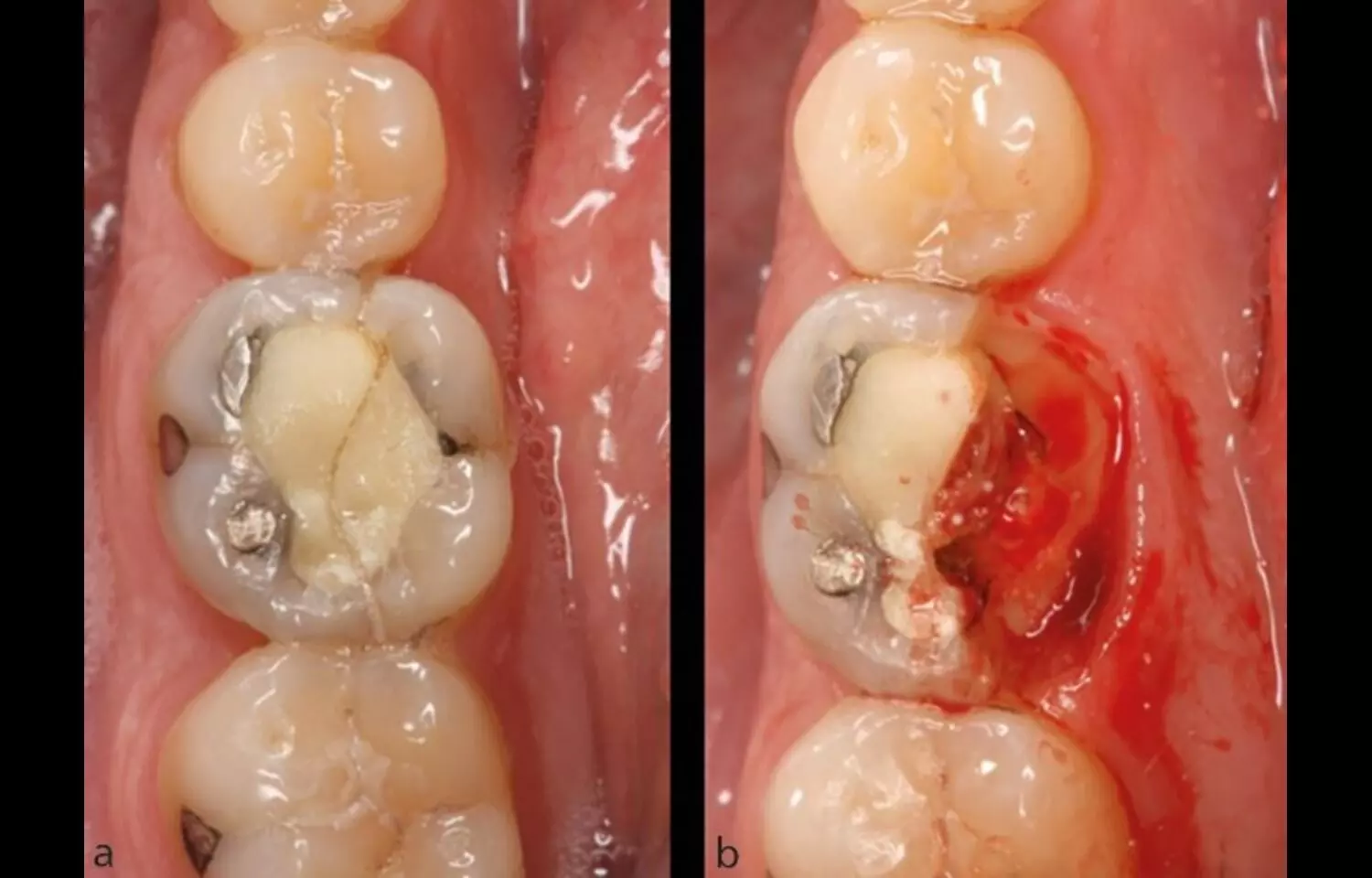
A recent study published in Acta Odontologica Scandinavica by Olsson et al. (2025) investigated the impact of the timing between root canal treatment (RCT) completion and the placement of a direct restoration on the long-term outcomes of first molars. The research aimed to determine whether immediate versus delayed restoration affected the need for additional endodontic treatments, apical surgery, or tooth extractions over a five-year period.


Utilizing data from the Swedish Social Insurance Agency, the study analyzed records of 50,314 direct restorations placed after RCTs in individuals aged 20 years or older. The teeth were categorized into five groups based on the time elapsed between RCT completion and restoration placement, ranging from immediate restoration to delays of up to 22 days. The frequencies of orthograde retreatment, apical surgery, and extractions were compared across these groups using Pearson’s Chi-square test. The results indicated no statistically significant differences in the need for additional treatments or extractions among the different time intervals. Specifically, the p-values for orthograde retreatment, with or without apical surgery, and with or without extraction were 0.089, 0.161, and 0.737, respectively. These findings suggest that the timing of direct restoration placement following RCT does not significantly influence the five-year success rate of the treatment.


This study provides valuable insights into clinical practice, indicating that practitioners may have flexibility in scheduling direct restorations after RCT without compromising long-term outcomes. However, the authors recommend further research to confirm these findings and explore other factors that may influence the success of RCTs and restorations.

Keywords: root canal treatment, direct restoration, timing, endodontic retreatment, apical surgery, tooth extraction, five-year outcomes, first molars, Sara Olsson, Maria Pigg, Jesper Gustavsson, Emil Ekblom, Helena Fransson, Acta Odontologica Scandinavica
Reference:
Olsson S, Pigg M, Gustavsson J, Ekblom E, Fransson H. Immediate or delayed direct restoration does not significantly influence additional endodontic treatments and five-year tooth survival of first molars. Acta Odontologica Scandinavica. 2025;84:544–548. doi:10.2340/aos.v84.44804. Available at: https://medicaljournalssweden.se/actaodontologica/article/view/44804

Powered by WPeMatico