Higher Postpartum Hemoglobin Levels Linked to Lower Depression Risk: Study

Researchers found that women with higher levels of haemoglobin shortly after childbirth are less likely to develop symptoms of postpartum depression (PPD) two months later. With each increase in postpartum haemoglobin by 1 g/dL, the risk of developing depressive symptoms decreased by 9%. The study was published in An International Journal of Obstetrics and Gynecology by Lola L. and colleagues.

This research was an ancillary study of the TRAAP trial (a multicentre French trial), and it determined the effect of early postpartum haemoglobinaemia on the risk of postpartum depression symptoms at two months. The population comprised women who experienced a singleton vaginal delivery beyond 35 weeks of gestation. Excluded from the population were women with pre-existing psychiatric disorders and those that were not responsive to the Edinburgh Postnatal Depression Scale (EPDS). Haemoglobin levels were measured routinely soon after delivery, and EPDS scores were measured at the two-month point in order to assess depressive symptoms.

The exposure measure was maternal haemoglobin at the time of delivery. Postpartum depression was ascertained with the EPDS, with a score ≥11 regarded as indicative of depressive symptoms. These symptoms were also classified as moderate (EPDS 11–12) and severe (EPDS ≥13). Statistical analysis involved multivariable models that were controlled for factors known to be of relevance, enabling the researchers to measure the association between haemoglobin and risk of depression while adjusting for confounders.

Key Findings

Of 2,672 women in the study:

  • 1,115 women (43.6%) developed postpartum anaemia (haemoglobin <11 g/dL).

  • 369 women (13.8%) had symptoms of postpartum depression at two months.

  • There was a linear correlation between haemoglobin concentrations and PPD symptoms.

  • A 1 g/dL higher haemoglobin level was associated with a 9% reduction in the risk of postpartum depression symptoms (adjusted Relative Risk [aRR] = 0.91; 95% Confidence Interval [CI]: 0.82–0.997).

  • Postpartum haemoglobin was strongly related to moderate depressive symptoms (aRR = 0.84; 95% CI: 0.72–0.98).

  • There was no statistically significant relation with severe depressive symptoms (aRR = 0.95; 95% CI: 0.84–1.07).

This research identifies a definite and quantifiable association between maternal haemoglobin concentration and risk of symptoms of postpartum depression in women giving birth vaginally. These results justify inclusion of standard haemoglobin screening and anaemia treatment in postpartum care guidelines, not merely for enhancing physical recovery but also for minimizing mental health complications among new mothers.

Reference:

Loussert, L., Sentilhes, L., Froeliger, A., Seco, A., Bonnet, M. P., Tebeka, S., Deneux-Tharaux, C., & TRAAP study group. (2025). Association between post-partum anaemia and depressive symptoms at two months after vaginal delivery: A secondary analysis of the TRAAP trial. BJOG: An International Journal of Obstetrics and Gynaecology, 1471-0528.18289. https://doi.org/10.1111/1471-0528.18289

Powered by WPeMatico

FDA Approves Tezspire for Chronic Rhinosinusitis with Nasal Polyps

The FDA has approved Tezspire (tezepelumab-ekko), a biologic therapy by Amgen and AstraZeneca, as an add-on maintenance treatment for patients aged 12 years and older with inadequately controlled chronic rhinosinusitis with nasal polyps.

TEZSPIRE is the first and only biologic approved for CRSwNP that targets thymic stromal lymphopoietin (TSLP).

CRSwNP affects up to approximately 320 million people worldwide and is a complex epithelial-driven inflammatory condition characterized by persistent inflammation and benign polyp growths within the nasal cavity.1-5 People living with CRSwNP commonly experience airflow obstruction and symptoms including congestion and an impaired sense of smell. For many patients, current therapies such as systemic and intranasal corticosteroids and repeated sinus surgeries do not offer lasting relief.

“For people living with CRSwNP, every breath can feel like a struggle, and many endure years of recurring symptoms and surgeries without significant relief. The approval of TEZSPIRE represents a meaningful advance, derived from our longstanding focus on complex inflammatory diseases rooted in epithelial biology,” said Jay Bradner, M.D., executive vice president of Research and Development at Amgen. “This approval is an important step forward for patients who have long needed more durable options that address the root causes of this disease, while establishing the impact of TSLP inhibition beyond asthma.”

The approval by the Food and Drug Administration (FDA) was based on efficacy and safety data from the WAYPOINT Phase III trial, which were presented at the 2025 American Academy of Allergy Asthma & Immunology (AAAAI)/World Allergy Organization (WAO) Joint Congress and simultaneously published in The New England Journal of Medicine.6,7 In the trial, TEZSPIRE demonstrated a statistically significant and clinically meaningful reduction in nasal polyp severity and showed near-elimination of the need for surgery and significant reduction in systemic corticosteroid use vs. placebo.

“Over 320 million lives globally are disrupted by chronic rhinosinusitis with nasal polyps. The FDA approval of TEZSPIRE brings forward a new treatment option that has demonstrated rapid and sustained symptom improvement, nearly eliminating the need for future surgeries and significantly reducing systemic steroid use,” said Dr. Joseph Han, Vice Chair of Department of Otolaryngology – Head and Neck Surgery, Old Dominion University, and co-primary investigator of the WAYPOINT trial. “By targeting thymic stromal lymphopoietin (TSLP) at the top of the inflammatory cascade, TEZSPIRE offers a novel option for patients who continue to endure the disruption of this disease despite available treatments.”

“Chronic rhinosinusitis with nasal polyps is a persistent and often-overlooked disease that can significantly impact daily life, robbing patients of their ability to breathe without congestion and full sense of smell,” said Kenneth Mendez, President and CEO of the Asthma and Allergy Foundation of America (AAFA). “This approval introduces an innovative treatment option for patients with the potential to help address the ongoing cycle of debilitating symptoms, surgeries and systemic steroid use.”

The safety and tolerability profile of TEZSPIRE in the WAYPOINT trial was generally consistent with its established profile in severe asthma.6 The most frequently reported adverse events in the trial were COVID-19, nasopharyngitis and upper respiratory tract infection.

Regulatory applications are currently under review in Europe, China, Japan and several other countries based on the WAYPOINT trial.

Powered by WPeMatico

Rajasthan cautions private medical colleges against excess MBBS fees under unapproved quota

Taking cognisance of the “unapproved” 15 per cent management quota MBBS seats at private medical colleges, the Rajasthan Government has issued a strict warning to those institutions and asked them only to charge the fee authorised by the state-level fee regulatory committee.

Furthermore, the State Government has also instructed medical colleges to refund the excess fee collected at an annual interest rate of 12%.

For more details, check out the full story on the link mentioned below:

Rajasthan warns private medical colleges against charging higher MBBS fees under 15 percent ‘unapproved’ management quota

Powered by WPeMatico

Mizoram records 121 deaths from multidrug-resistant TB since January

Emphasising the urgent need for continued vigilance and improved access to advanced treatment options, the National TB Elimination Programme (NTEP) under the National Health Mission (NHM) reported 121 deaths between January and October 10, officials

According to a UNI report, NTEP officials reported that 1,870 new TB cases were detected from 97,467 samples tested during the period. Of these, 1,126 are men and 744 women, reflecting the persistence of the disease across gender and age groups.

For more details, check out the full story on the link mentioned below:

Mizoram reports 121 multidrug-resistant TB Deaths since January

Powered by WPeMatico

NEET SS 2025 rescheduled to December 26 and 27: NBE

The National Board of Examinations in Medical Sciences (NBEMS) has revised the National Eligibility and Entrance Test-Super Speciality (NEET-SS) exam dates for the academic year 2025.

According to the notice issued by the NBEMS in this regard, the NEET-SS 2025 exam will now be held on December 26 and 27, 2025. The exam was previously scheduled for December 27th and 28th, 2025- then postponed from the earlier dates of November 7th and 8th.

For more details, check out the full story on the link mentioned below:

NEET SS 2025 now on December 26th, 27th: NBE

Powered by WPeMatico

Health Bulletin 24/October/2025

Here are the top health stories for the day:

NEET SS 2025 rescheduled to December 26 and 27: NBE

The National Board of Examinations in Medical Sciences (NBEMS) has revised the National Eligibility and Entrance Test-Super Speciality (NEET-SS) exam dates for the academic year 2025.

According to the notice issued by the NBEMS in this regard, the NEET-SS 2025 exam will now be held on December 26 and 27, 2025. The exam was previously scheduled for December 27th and 28th, 2025, and then postponed from the earlier dates of November 7th and 8th.

For more details, check out the full story on the link mentioned below:

NEET SS 2025 now on December 26th, 27th: NBE

Rajasthan cautions private medical colleges against excess MBBS fees under unapproved quota

Taking cognisance of the “unapproved” 15 per cent management quota MBBS seats at private medical colleges, the Rajasthan Government has issued a strict warning to those institutions and asked them only to charge the fee authorised by the state-level fee regulatory committee.

Furthermore, the State Government has also instructed medical colleges to refund the excess fee collected at an annual interest rate of 12%.

For more details, check out the full story on the link mentioned below:

Rajasthan warns private medical colleges against charging higher MBBS fees under 15 percent ‘unapproved’ management quota

Mizoram records 121 deaths from multidrug-resistant TB since January

Emphasising the urgent need for continued vigilance and improved access to advanced treatment options, the National TB Elimination Programme (NTEP) under the National Health Mission (NHM) reported 121 deaths between January and October 10, officials

According to a UNI report, NTEP officials reported that 1,870 new TB cases were detected from 97,467 samples tested during the period. Of these, 1,126 are men and 744 women, reflecting the persistence of the disease across gender and age groups.

For more details, check out the full story on the link mentioned below:

Mizoram reports 121 multidrug-resistant TB Deaths since January

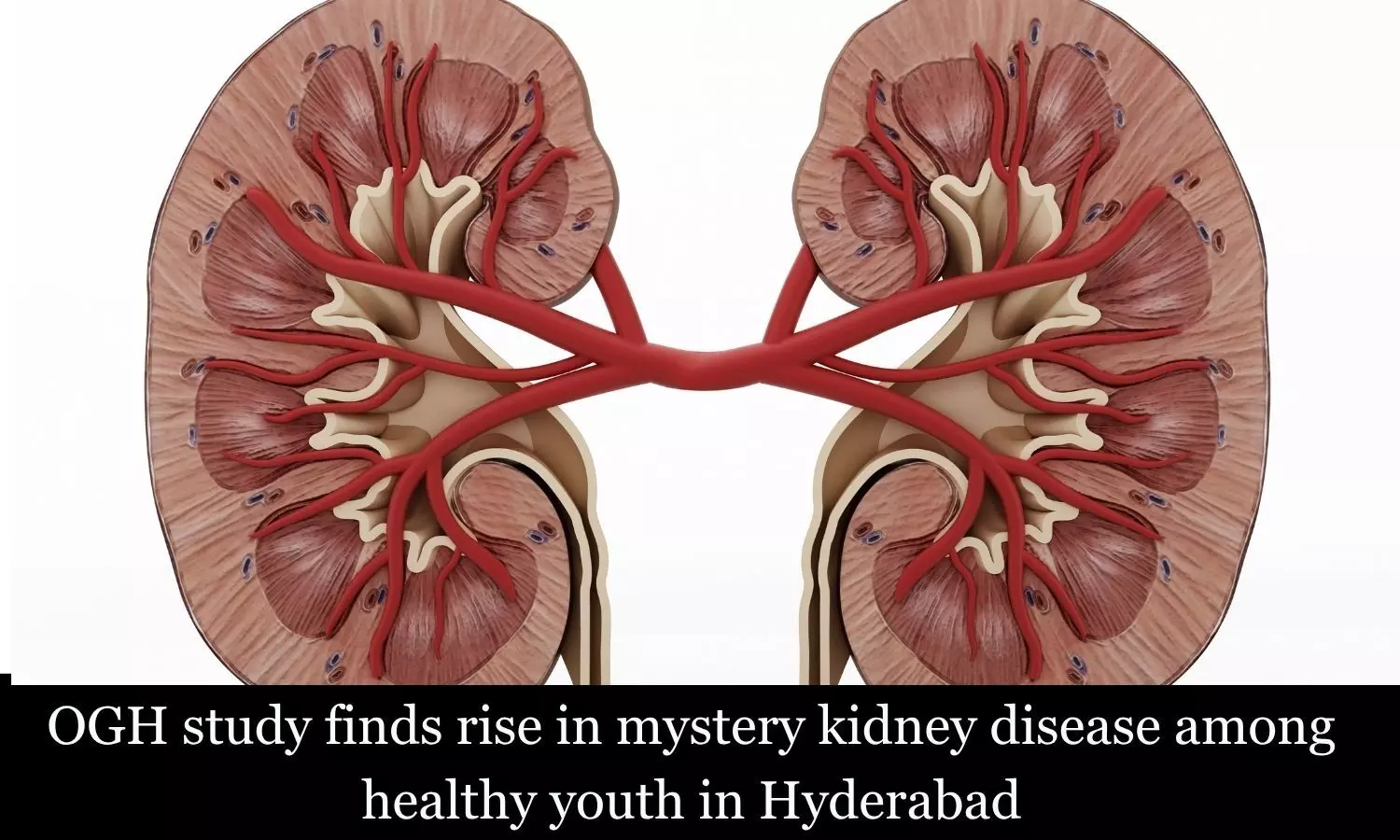
OGH study flags rise in mystery kidney disease among healthy youth in Hyderabad

A mysterious kidney disease known as Chronic Kidney Disease of unknown etiology (CKDu) is increasingly affecting younger, non-diabetic, urban populations in Hyderabad and surrounding Telangana districts, according to a study led by nephrologists from Osmania General Hospital (OGH) and Apollo Hospitals. Published in the Indian Journal of Nephrology in August 2024, the study highlights that, unlike traditional CKDu cases linked to agricultural labor and heat stress, this urban cohort includes small business owners and service workers with no farming background.

The disease progresses silently, often only detected when kidney damage is severe, requiring urgent dialysis or renal replacement therapy. Kidney biopsies revealed significant scarring and inflammation in the kidney filters, confirming early silent damage. Notably, 40% of patients had a history of consuming unregulated herbal medicines, a potential risk factor requiring closer investigation. Dr. Manisha Sahay, Head of Nephrology at OGH, stresses the urgent need for public health to focus on this urban CKDu subset to improve early diagnosis and preventive strategies.

Reference: Ramavajula, Anitha and Sahay, Manisha and Ismal, Kiranmai and Kavadi, Anuradha and Enganti, Rama and Gowrishankar, Swarnalata; Chronic Kidney Disease of Unknown Etiology in Telangana: Is It Different?; Indian Journal of Nephrology; doi = 10.25259/IJN_257_2024

Powered by WPeMatico

OGH study flags rise in mystery kidney disease among healthy youth in Hyderabad

A mysterious kidney disease known as Chronic Kidney Disease of unknown etiology (CKDu) is increasingly affecting younger, non-diabetic, urban populations in Hyderabad and surrounding Telangana districts, according to a study led by nephrologists from Osmania General Hospital (OGH) and Apollo Hospitals. Published in the Indian Journal of Nephrology in August 2024, the study highlights that, unlike traditional CKDu cases linked to agricultural labor and heat stress, this urban cohort includes small business owners and service workers with no farming background.

The disease progresses silently, often only detected when kidney damage is severe, requiring urgent dialysis or renal replacement therapy. Kidney biopsies revealed significant scarring and inflammation in the kidney filters, confirming early silent damage. Notably, 40% of patients had a history of consuming unregulated herbal medicines, a potential risk factor requiring closer investigation. Dr. Manisha Sahay, Head of Nephrology at OGH, stresses the urgent need for public health to focus on this urban CKDu subset to improve early diagnosis and preventive strategies.

Reference: Ramavajula, Anitha and Sahay, Manisha and Ismal, Kiranmai and Kavadi, Anuradha and Enganti, Rama and Gowrishankar, Swarnalata; Chronic Kidney Disease of Unknown Etiology in Telangana: Is It Different?; Indian Journal of Nephrology; doi = 10.25259/IJN_257_2024

Powered by WPeMatico

Magnets bought online cause severe intestinal damage in 13-year-old boy

A 13-year-old boy in New Zealand swallowed up to 100 high-power magnets he bought on Temu, forcing surgeons to remove tissue from his intestines, doctors said on Friday.

Powered by WPeMatico

Magnets bought online cause severe intestinal damage in 13-year-old boy

A 13-year-old boy in New Zealand swallowed up to 100 high-power magnets he bought on Temu, forcing surgeons to remove tissue from his intestines, doctors said on Friday.

Powered by WPeMatico

E-bike and e-scooter injuries are on the rise in children

Emergency departments nationwide are reporting spikes in serious injuries—and even deaths—among children riding electric bikes, electric scooters and other micromobility devices.

Powered by WPeMatico