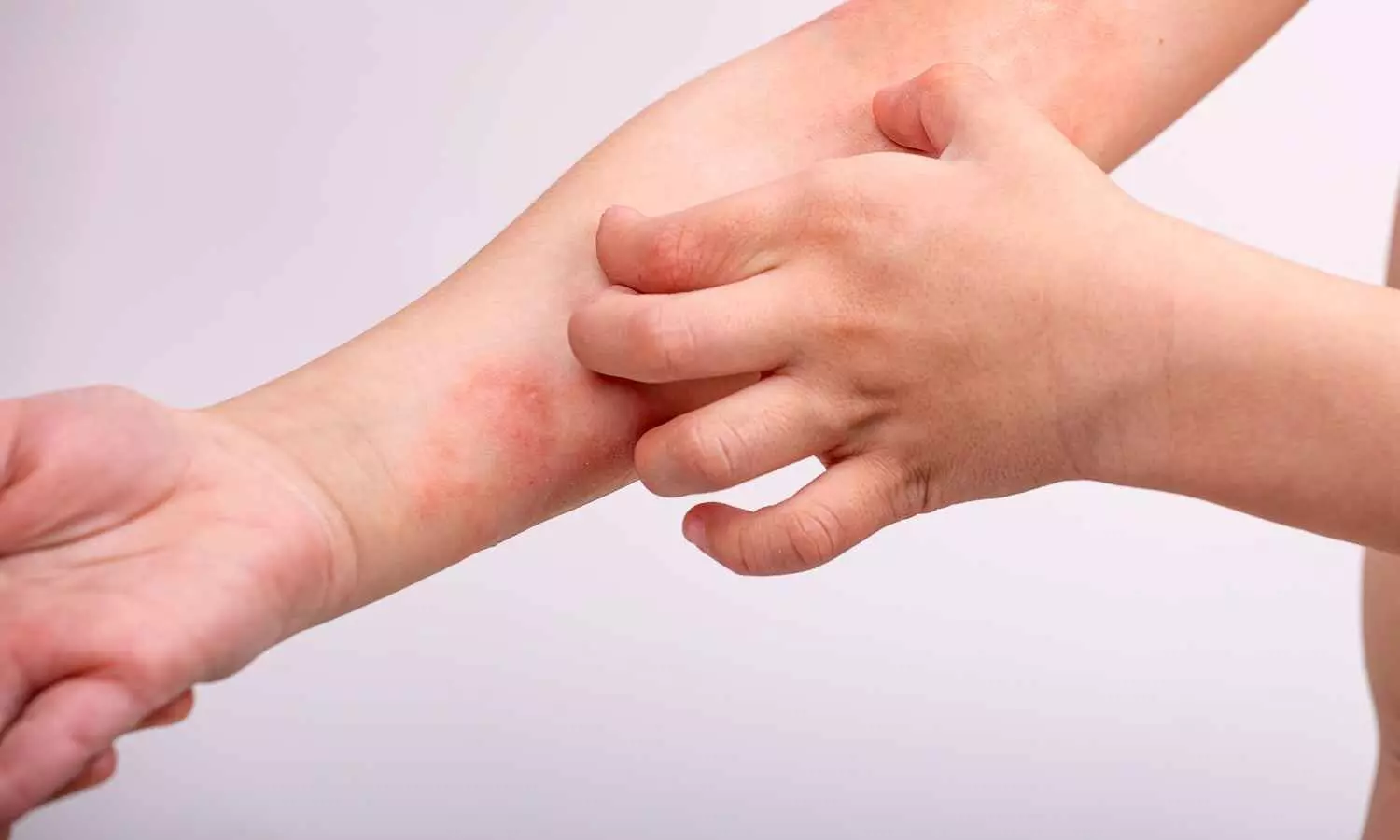
Colchicine Fails to Improve Outcomes in Long COVID Patients: JAMA

According to a randomized clinical trial, colchicine did not enhance functional capacity, respiratory function, or reduce inflammation in adults with long COVID, highlighting the need for alternative treatments. The study was published in JAMA Internal Medicine by Abhinav B. and colleagues. Long COVID is characterized by chronic symptoms persisting for weeks or months following the initial illness. It is thought to be caused by persistent inflammation and immune dysregulation. Colchicine, a drug that has widespread use in gout and other inflammatory conditions, was postulated to reduce these symptoms through the inhibition of inflammatory pathways.

This prospective, double-blind, 1:1 randomized clinical trial involved adults with laboratory-confirmed SARS-CoV-2 infection who were still having functional limitations or had raised inflammatory markers. Participants were recruited if they had a Post–COVID-19 Functional Status (PCFS) grade of 2 or above and/or high-sensitivity C-reactive protein (hs-CRP) level of more than 0.20 mg/dL or a neutrophil-to-lymphocyte ratio (NLR) of more than 5. There were 346 participants included in the modified intention-to-treat analysis, with 209 (60.4%) being female and 137 (39.6%) male participants and a mean (SD) age of 46 (12) years. Patients were randomly allocated to receive either colchicine (0.5 mg once or twice daily depending on body weight) or placebo for 26 weeks. Outcomes were measured at 12, 26, and 52 weeks from randomization, with data analysis being done between January and February 2025.

Results

• There was no significant difference in functional improvement at 52 weeks between the colchicine and placebo groups.

• The mean (SD) 6-minute walk test (6MWT) distance change was 35.5 (19.76) meters with colchicine and 29.96 (19.83) meters with the placebo, resulting in a mean difference of 5.59 meters (95% CI, –9.00 to 20.18; P = 0.45).

• This shows that colchicine did not make a clinically relevant improvement in exercise tolerance.

• In addition, the same null findings were noted for secondary outcomes such as inflammatory markers and quality of life, anxiety, depression, fatigue, and dyspnea reported by patients.

• The one statistically significant difference recorded was a small, clinically unimportant change in the ratio of forced expiratory volume in 1 second (FEV₁) to forced vital capacity (FVC): colchicine experienced a mean (SD) change of −0.02 (0.03) vs −0.06 (0.03) in the placebo group (mean difference, 0.04; 95% CI, 0.02–0.07; P = 0.001).

In this large, randomized trial, colchicine was not shown to have any meaningful benefit for enhancing functional capacity, respiratory function, or inflammatory markers in adults with long COVID. These observations indicate that colchicine is not a useful therapeutic intervention for long COVID and strengthen the importance of recognizing other treatment modalities to relieve the long-term impact of post-COVID-19 symptoms.

Reference:

Bassi A, Devasenapathy N, Thankachen SS, et al. Effectiveness of Colchicine for the Treatment of Long COVID: A Randomized Clinical Trial. JAMA Intern Med. Published online October 20, 2025. doi:10.1001/jamainternmed.2025.5408

Powered by WPeMatico

Belzutifan Shows Promising and Durable Antitumor Activity in Advanced Pheochromocytoma or Paraganglioma: NEJM

A new study published in The New England Journal of Medicine reported that the HIF-2α inhibitor belzutifan has shown significant and lasting antitumor activity in patients with advanced pheochromocytoma and paraganglioma, two rare neuroendocrine cancers usually challenging to treat when metastatic. The research stated that belzutifan provided extended disease control and decreased antihypertensive medication requirements in a lot of patients, which makes it a promising agent against these rare cancers. The study was conducted by Camilo J. and colleagues.

Pheochromocytoma and paraganglioma are unusual neoplasms that originate in chromaffin cells of the adrenal medulla and extraadrenal paraganglia, respectively. In their metastatic presentation, the tumors are generally fueled by dysregulation of the HIF-2α signaling pathway, which causes uncontrollable cell growth and resistance to standard treatment. Traditionally, therapeutic choices for advanced disease have been restricted to surgery, chemotherapy, or radiopharmaceuticals, each with low efficacy and high toxicity. Belzutifan, an oral small-molecule HIF-2α inhibitor, has demonstrated clinical activity in other HIF-driven tumors, including renal cell carcinoma, and thus, interest in its role in treating these uncommon endocrine malignancies was raised.

This phase 2, global, single-group trial enrolled 72 patients with locally advanced or metastatic pheochromocytoma or paraganglioma who were not surgery or curative treatment candidates. All patients received belzutifan 120 mg orally once a day. Patients were treated until disease progression, unacceptable toxicity, or withdrawal by the patient.

The major endpoint was the confirmed objective response rate (complete or partial response) by blinded independent central review. Secondary and of particular interest were duration of response, disease control rate, progression-free survival (PFS), overall survival (OS), safety, and antihypertensive medication use changes. The median follow-up time was 30.2 months (range, 23.3–37.6 months).

Results

  • The trial proved that 26% of patients had a confirmed objective response (95% CI, 17–38), and 85% (95% CI, 74–92) realized disease control.

  • The 20.4-month median duration of response (95% CI, 8.3 to not reached) indicated durable clinical benefit.

  • Median progression-free survival was 22.3 months (95% CI, 13.8 to not reached), and 24-month overall survival was 76%.

  • Of the 60 patients receiving antihypertensive therapy at baseline, 19 (32%) had at least a 50% reduction in their total daily dose of at least one antihypertensive medication for at least 6 months after initiating belzutifan.

  • These results indicate that belzutifan not only inhibits tumor growth but also relieves hormone-related hypertension, a dominant symptom of these tumors.

In this phase 2 global trial, belzutifan showed substantial and long-lasting antitumor activity in subjects with advanced or metastatic pheochromocytoma and paraganglioma. With an objective response rate of 26%, disease control rate of 85%, and median progression-free survival of 22.3 months, belzutifan provides a promising therapeutic agent for this hard-to-treat patient population. The findings of this study warrant further research into the HIF-2α inhibition as a new strategy in the treatment of rare neuroendocrine tumors.

Reference:

Jimenez, C., Andreassen, M., Durand, A., Moog, S., Hendifar, A., Welin, S., Spada, F., Sharma, R., Wolin, E., Ruether, J., Garcia-Carbonero, R., Fassnacht, M., Capdevila, J., Del Rivero, J., Iliopoulos, O., Huillard, O., Jang, R., Mai, K., Artamonova, E., … LITESPARK-015 Investigators. (2025). Belzutifan for advanced pheochromocytoma or paraganglioma. The New England Journal of Medicine, NEJMoa2504964. https://doi.org/10.1056/NEJMoa2504964

Powered by WPeMatico

AI driven TPNS Device Shows Promise for Treating Essential Tremor: JAMA

A new study published in the Journal of American Medical Association showed that the transcutaneous peripheral nerve stimulation device showed a substantial improvement in activities linked to upper limb tremor after 90 days, indicating that it might be a useful non-invasive therapy for essential tremor.

The most prevalent type of arm tremor is called essential tremor (ET). The central tremor-generating network can be modulated by transcutaneous peripheral nerve stimulation (TPNS). Thus, this study was set to determine if a TPNS device powered by artificial intelligence (AI) is more effective at lowering ET than a sham device.

From February 7 to August 9, 2024, 12 outpatient neurology clinics in China and the United States participated in a randomized clinical study. The adults with upper-extremity tremor who had been clinically diagnosed with ET were included. The participants had a total performance subscale score of at least 7, were familiar with using a smartphone and connecting to Wi-Fi at home, and had a tremor severity score of 2 or higher on one of the Essential Tremor Rating Assessment Scale (TETRAS) performance subscale tasks.

The subjects were classified by the severity of their tremors and the usage of ET medicines, and they were randomized 2:1 to receive either sham stimulation or active TPNS. The participants were told to utilize the gadgets during the day for 90 days after they were installed.

The main intervention consisted of a wearable neuromodulation device that stimulates the radial, median, and ulnar nerves and employs artificial intelligence to continually alter stimulation levels in real time. In the intention-to-treat population, the primary outcome was change in daily activities as measured by TETRAS’s modified Activities of Daily Living (mADL) subscale at 90 days.

Out of the 133 people who were screened, 125 were randomly assigned to either TPNS (n = 83) or sham (n = 42) therapy. There were 62 (49.6%) females and 63 (50.4%) males, with a mean (SD) age of 64.9 (13.1) years and a mean (SD) duration of tremor of 11.4 (13.1) years. In the TPNS group, the mADL score decreased by 6.9 points (95% CI, 5.4-8.4) after 90 days, while in the sham group, it decreased by 2.7 points (95% CI, 1.3-4.0) (P <.001).

The most frequent adverse event linked to the device was skin irritation, which happened to 2 out of 42 participants (4.8%) in the sham group and 28 out of 83 participants (33.7%) in the TPNS group. One person in the TPNS group had nausea, arthralgia, exacerbation of pre-existing thumb arthritis, muscular weakness, and involuntary muscle spasms. Overall, at 90 days, the TPNS device enhanced upper limb tremor-related activities. 

Source:

Ondo, W. G., Lv, W., Zhu, X., Hu, Y., Isaacson, S. H., Yuan, Y., Espay, A. J., Kreitzman, D., Kuo, S.-H., Brillman, S., Shill, H. A., Lyons, K. E., Yang, Z., Zhao, Q., Zhang, Z., & Pahwa, R. (2025). Transcutaneous peripheral nerve stimulation for essential tremor: A randomized clinical trial: A randomized clinical trial. JAMA Neurology. https://doi.org/10.1001/jamaneurol.2025.3905

Powered by WPeMatico

FDA approves new menopause drug to treat hot flashes, night sweats

The federal Food and Drug Administration today approved a new menopause drug that reduces hot flashes and night sweats after the drug was successfully tested at UVA Health and other sites in the United States and around the world.

The drug, elinzanetant, was found to significantly reduce both the frequency and severity of hot flashes while improving women’s sleep and quality of life. The nonhormonal drug contains no estrogen and offers an important new option for women who cannot or do not wish to take existing treatment options because of potential side effects, said researcher JoAnn V. Pinkerton, MD, UVA Health’s director of midlife health.

“More than a third of women experience disruptive menopausal symptoms that can persist for more than a decade, significantly impacting work, home and quality of life. Many symptomatic menopausal women continue to suffer without treatment and support,” said Pinkerton, the U.S. lead for the Oasis II clinical trial that tested the drug. “With the FDA approval of elinzanetant, women will have access to a new, safe and effective therapy for relief of hot flashes and night sweats. Due to its dual receptor antagonism, the studies also showed improvements in sleep and mood.”

Hot Flashes and Other Menopause Symptoms

Hot flashes are caused by decreased estrogen levels during menopause and, for some women, years after. Hormone therapy is the most effective treatment for menopause symptoms, but this can come with side effects – usually minor – such as breast tenderness, bloating, headaches or spotting. Less commonly, long-term hormone therapy, particularly oral therapy, can increase the risk of blood clots or strokes or up the risk of certain cancers such as uterine cancer if estrogen is used by itself without a uterine antagonist. There are also contraindications, such as having a prior history of blood clots or estrogen sensitive cancers, that prevent women from being able to take the treatment.

Pinkerton and colleagues across the United States, Europe and Israel tested elinzanetant in the double-blinded Oasis trials to see if it could offer a new alternative. They enrolled postmenopausal women ages 40-65 with moderate to severe hot flashes, randomizing them to receive either 120 mg of elinzanetant daily for 26 weeks or a placebo for 12 weeks followed by 14 weeks of elinzanetant.

Trial Results

The women who received elinzanetant reported rapid improvements in their symptoms and quality of life. Both trials revealed statistically significant reductions in hot flash frequency and severity within the first week. At the same time, sleep quality and overall quality of life improved in both trials by week 12.

In addition to evaluating the drug’s effect on hot flashes and sleep disruptions, the researchers also looked for potential side effects. Headache and fatigue were the most common, but these were mild. There were no severe side effects, paving the way for FDA approval of the drug.

“I am excited that women who can’t or choose not to take hormone therapy will have access to elinzanetant, which is an effective and tested, FDA-approved therapy for bothersome symptoms,” said Pinkerton, of the UVA School of Medicine. “It’s critical that we listen to our patients to understand exactly what they are experiencing and then help them get the support they need, tailored to their individual needs.” 

Powered by WPeMatico

Regular Dental Scaling Reduces Atopic Dermatitis Risk in Periodontitis Patients, Study Finds

Taiwan: A recent Taiwanese study has revealed a strong connection between periodontitis and atopic dermatitis (AD), emphasizing the potential protective role of regular dental care.

Published in PLOS One, the research, led by Ming-Che Chiang from the Departments of Dermatology at Wan Fang Hospital, Taipei Medical University, and En Chu Kong Hospital, New Taipei City, found that individuals with periodontitis face more than double the risk of developing AD.
The study analyzed health insurance data from adults aged 20 years and older, identifying patients diagnosed with periodontitis between 2011 and 2015 and comparing them with age- and sex-matched controls without periodontitis. Both groups were followed until the end of 2017 to track the incidence of AD. Using multivariate Cox regression analyses, the researchers estimated the risk of developing AD among individuals with periodontitis and evaluated the effect of dental scaling (DS) on this risk.
The study led to the following notable findings:
  • Patients with periodontitis had a significantly higher risk of developing atopic dermatitis (AD) with a hazard ratio (HR) of 2.47.
  • The increased risk was observed in both men (HR 2.68) and women (HR 2.35).
  • The association between periodontitis and AD was consistent across all age groups.
  • Regular dental scaling (DS) was linked to a 67% reduction in the risk of AD (HR 0.33) among patients with periodontitis.
  • The protective effect of DS was strongest in individuals who received more than four DS sessions, with an HR of 0.14.
  • A dose-response relationship was noted, suggesting that more frequent dental scaling provides greater protection against developing AD.
While these findings are compelling, the authors noted several limitations. The study relied on insurance claims data, which lacked information on lifestyle factors, oral hygiene practices, diet, physical activity, and AD severity or family history. Misclassification bias may have occurred, as mild periodontitis cases not seeking dental care could have been categorized as non-periodontitis. Moreover, the observational nature of the study prevents establishing a direct causal link between periodontitis, DS, and AD risk. Additionally, the results may not be generalizable to Western populations due to differences in genetics, environment, and healthcare systems.
Despite these limitations, the study provides valuable evidence that regular dental care may serve as a modifiable preventive measure against atopic dermatitis in individuals with periodontitis. The findings highlight the importance of integrating oral hygiene practices into strategies for managing systemic inflammation and related chronic conditions.
“The research suggests that periodontitis significantly elevates the risk of AD, but regular dental scaling can substantially lower this risk. These insights highlight the potential of oral health interventions in preventing inflammatory skin conditions, paving the way for further studies to explore underlying mechanisms and confirm whether similar protective effects exist in other populations,” the authors concluded.
Reference:
Chiang, C., Chang, C., Lee, Y., Yeh, C., Huang, C., Chen, L., & Liao, C. (2025). Risk of atopic dermatitis in periodontitis patients with and without dental scaling: A retrospective cohort study. PLOS ONE, 20(10), e0333877. https://doi.org/10.1371/journal.pone.0333877

Powered by WPeMatico

Air Pollution and Genetic Risk Together Drive Asthma Progression to COPD, Finds Study

UK: Long-term exposure to air pollution may significantly raise the risk of developing chronic obstructive pulmonary disease (COPD) among individuals with asthma—especially those with a heightened genetic predisposition—according to a new study published in Thorax, a journal of the BMJ.  

Conducted by Guoxing Li and colleagues from the Environmental Research Group at Imperial College London, the study examined the joint influence of air pollution and genetic susceptibility on the progression from asthma to COPD. The research sheds light on how environmental and genetic factors interact to contribute to this serious respiratory condition.

Drawing on data from the UK Biobank, the study followed 46,832 individuals with asthma over a median period of 10.8 years. During this time, 3,759 participants developed COPD. Researchers used land-use regression models to estimate baseline exposure levels to fine particulate matter (PM2.5) and nitrogen dioxide (NO₂), two common air pollutants.

The key findings of the study were as follows:

  • The findings revealed that each interquartile range (IQR) increase in PM2.5 was associated with a 7% higher risk of developing COPD (hazard ratio [HR] 1.07), while a similar increase in NO₂ exposure raised the risk by 10% (HR 1.10).
  • Even relatively low levels of air pollution—just 8 µg/m³ for PM2.5 and 12 µg/m³ for NO₂—were enough to elevate the risk.
  • To assess the role of genetics, the researchers calculated polygenic risk scores based on newly identified genetic variants linked to the coexistence of asthma and COPD.
  • Individuals with the highest genetic susceptibility faced an even greater risk of disease progression.
  • In this subgroup, each IQR increase in air pollution was linked to a 13% rise in COPD risk (HR 1.13).
  • There was a statistically significant interaction between air pollution and genetic predisposition, indicating that the combined impact is greater than the sum of individual risks.

The study highlights an important and previously under-recognized health concern: the transition from asthma to COPD is not only influenced by genetic makeup but also by ongoing environmental exposures, even at pollutant levels considered to be within acceptable limits.

Given the chronic nature and substantial health burden of COPD, these findings underscore the need for more stringent air quality standards and personalized healthcare strategies. Individuals with asthma, particularly those with known genetic vulnerability, may benefit from early interventions aimed at reducing exposure to air pollution.

The authors emphasize that this study adds critical evidence supporting the need for public health policies that take both environmental and genetic risk factors into account, especially for vulnerable respiratory patients.

Reference:

Li G, Zhang K, Yang T, et alAir pollution, genetic susceptibility and risk of progression from asthma to COPDThorax Published Online First: 21 July 2025. doi: 10.1136/thorax-2024-222871

Powered by WPeMatico

MBBS aspirant duped of Rs 17.5 lakh for abroad admission

Ghaziabad: In a recent case of medical admission fraud, an MBBS aspirant was duped of Rs 17.5 lakh by a gang operating from a small office in Kaushambi Mall,Ghaziabad.

As per a recent TOI report, the medical student went to Spain on a short-term student visa in March last year. She was forced to stay in a shared bunker-like accommodation for over a year after she could not find a seat at the university or a hostel despite assurances from the gang.

After all this, she finally returned to India this April. Subsequently, her family filed a police complaint against nine people associated with the consultancy, The internationally, including its director.

According to the complaint, the complainant, a resident of Greater Noida, claimed she approached the consultancy for admission of her daughter to a medical program abroad in 2023. She met the company’s director, Vivek Kumar and other employees, Archana Gautam, Rahul Gautam, Himanshi, Shishupal, Pushpak, Kartik, and Omkar, who assured her of admission to the University of Barcelona.

The consultancy had promised to arrange visas, accommodation and other logistics in Europe in collaboration with the agency’s partner, Susmita Nanda. “They asked me to deposit Rs 17.5 lakh in several accounts, including Rs 8.75 lakh in a bank account in Poland,” she claimed.

Her daughter arrived in Barcelona on March 17, 2024, expecting the agency to arrange for her accommodation and admission. “Instead, she was placed in a bunker-like dormitory in extremely poor condition. My daughter had to arrange for her own accommodation, spending an additional ₹8 lakh, but later found out she wasn’t admitted to any medical program”.

By April 2025, the family realised the consultancy’s promises were false. Attempts to contact the Kaushambi office were unsuccessful, and Poddar eventually learned that the accused had absconded.

As per the TOI media news report, ACP Indirapuram Abhishek Srivastava said that an FIR was registered at Kaushambi police station against nine accused under sections 420 (cheating) and 120B (criminal conspiracy) of the IPC.

Powered by WPeMatico

ESIC Medical College Varanasi releases MBBS fee structure 2025

Varanasi: The Employees’ State Insurance Corporation (ESIC) Medical College and Hospital, Varanasi, has officially announced the fee structure for MBBS admissions for the academic year 2025-26.

The fee structure has been released on the official website of UPDGME. 

The detailed notification outlines the annual tuition fee, hostel charges, and deposits applicable to both Insured Person (IP) quota students and State/All India Quota (AIQ) candidates. Below is the detailed fee structure-

“IP QUOTA” STUDENTS FEE

S.NO

FEE HEAD(Annual)

FEE TО PAY

1

Tuition Fee

24000/-

2

Annual Caution Deposit

5000/-

3

Hostel Fee(Annual seat rent)

10000/-

4

Hostel Security Deposit

10000/-

TOTAL

49,000/-

“STATE & ALL INDIA QUOTA ”STUDENTS FEE

S.NO

FEE HEAD(Annual)

FEE TО PAY

1

Tuition Fee

100000/-

2

Annual Caution Deposit

5000/-

3

Hostel Fee(Annual seat rent)

10000/-

4

Hostel Security Deposit

10000/-

TOTAL

1,25,000/-

All payments are to be made through demand drafts drawn in favour of “ESI Fund Account No. 2”, payable at Varanasi. The college has instructed that separate drafts should be prepared for each fee head. The notice confirming the implementation of the revised structure for the upcoming session.

ESIC Medical College and Hospital, Varanasi, functions under the Ministry of Labour and Employment, Government of India, and provides MBBS education and healthcare services primarily for insured persons and their dependents under the ESIC scheme.

To view the fee structure, click the link below

https://medicaldialogues.in/pdf_upload/esic-medical-college-varanasi-releases-mbbs-fee-structure-for-2025-305264.pdf

Medical Dialogues earlier reported that the ESIC Medical College, Noida, UP, informed the complete fee structure for MBBS admission for the academic year 2025-26. The fee structure has been released for the IP Quota, State Quota and All India Quota (AIQ) students. As per the fee structure, the IP Quota students have to pay a total of Rs 49,000/- and the State Quota students and AIQ students have to pay a total of Rs 1,25,000/- for MBBS admission.

Powered by WPeMatico

COVID-19 mRNA vaccines could unlock the next revolution in cancer treatment

The COVID-19 mRNA-based vaccines that saved 2.5 million lives globally during the pandemic could help spark the immune system to fight cancer. This is the surprising takeaway of a new study that we and our colleagues published in the journal Nature.

Powered by WPeMatico

Five scary myths about sugar this Halloween, by a nutritionist

Walk through any supermarket at this time of year and you’ll see shelves stacked with Halloween treats. Halloween and candy go hand in hand, but what does all that sugar really mean for children?

Powered by WPeMatico