Pharma Price Row Turns Deadly in Kanpur: Student’s Stomach Slashed, Fingers Chopped, Intestines Tied

Kanpur: An altercation over the price of a medicine in Kanpur’s Rawatpur area turned brutally violent, leaving a 22-year-old law student with his stomach slit open and two fingers severed by a pharmacy owner and his aides.

The three accused, including the shop owner, have been arrested, while a fourth remains absconding, as police face allegations from the victim’s family of initially shielding the attackers and filing a false extortion case against the grievously injured youth.

As per various media reports, Abhijeet Singh Chandel (22), a first-year LLB student and a resident of Keshavpuram, went to the pharmacy near his house at around 9 p.m. on Saturday (October 25, 2025). He had an argument with the shop owner, Amar Singh Chauhan, over the price of a medicine, police told PTI.

According to Assistant Commissioner of Police (ACP) Ranjeet Kumar, the attack was allegedly carried out by Chauhan, his brother Vijay Singh, and their two associates—Prince Srivastava and Nikhil Tiwari. Armed with a sharp chopper, the assailants allegedly struck Chandel multiple times on his head and abdomen, leaving him severely injured. His stomach was torn open, and two of his fingers were severed in the assault, the ACP reported.

Acting quickly, Chandel’s family tied a piece of cloth around his abdomen to hold his intestines in place and rushed him to seek medical help. However, four hospitals reportedly refused to admit him due to the critical nature of his injuries. Eventually, he was taken to Regency Hospital, where doctors performed an emergency two-hour surgery.

Also Read: Patna Shocker: Pharma Representative Brutally Murdered, Probe Underway

The victim received 14 stitches on his head, officials told The Indian Express.

Chandel’s mother, Neelam Singh Chandel, accused the attackers of using their alleged influence to manipulate the situation. She claimed that, instead of taking prompt action against the culprits, police initially registered a false extortion case against her and her severely injured son.

“Instead of arresting those behind the murderous attack, police booked my son, who is fighting for his life,” stated the victim’s mother, Neelam Singh Chandel and further alleged that the accused were “well connected with police” and that they managed to file a false extortion case against her and her injured son the same night, according to Economic Times report.

ACP Kumar later confirmed that the accused — Chauhan, Vijay Singh, and Nikhil Tiwari — have been arrested on charges of attempt to murder. The fourth suspect, Prince Srivastava, remains absconding, and efforts are underway to locate him.

The ACP further added that while an extortion FIR had initially been lodged against Chandel based on Chauhan’s complaint, a new case was registered once evidence of the brutal assault came to light.

Powered by WPeMatico

Scientists create LED light that kills cancer cells without harming healthy ones

Scientists have developed a promising cancer therapy that uses LED light and ultra-thin flakes of tin to eliminate cancer cells while protecting healthy tissue. Unlike traditional chemotherapy and other invasive treatments, this new method avoids the painful side effects patients often endure.

The breakthrough comes from a partnership between The University of Texas at Austin and the University of Porto in Portugal, made possible through the UT Austin Portugal Program. The collaboration aims to make light-based cancer therapies more accessible and affordable. Current versions of these treatments rely on expensive materials, specialized lab setups, and powerful lasers that can sometimes damage surrounding tissue. By switching to LEDs and introducing tin-based “SnOx nanoflakes” (“Sn” is the chemical symbol for tin), the researchers have created a safer and potentially low-cost alternative.

LED Light and Nanoflakes Team Up Against Cancer

“Our goal was to create a treatment that is not only effective but also safe and accessible,” said Jean Anne Incorvia, a professor in the Cockrell School of Engineering’s Chandra Family Department of Electrical and Computer Engineering and one of the leaders on the project. “With the combination of LED light and SnOx nanoflakes, we’ve developed a method to precisely target cancer cells while leaving healthy cells untouched.”

In a recent study published in ACS Nano, the approach proved highly effective against both colorectal and skin cancer cells. After only 30 minutes of exposure, the LED-driven treatment destroyed up to 92% of skin cancer cells and 50% of colorectal cancer cells, while leaving healthy human skin cells unharmed. The results highlight the therapy’s precision and safety.

A Safer Alternative to Conventional Cancer Treatments

Cancer remains the second-leading cause of death worldwide, and many existing treatments come with severe side effects. Scientists across the globe are exploring new methods to make therapies safer and more targeted. One of the most promising is near-infrared photothermal therapy, which uses light to heat and destroy cancer cells without the need for surgery or toxic drugs. This principle forms the foundation of the UT Austin-Portugal team’s research.

Having shown strong early results, the researchers are now focused on understanding how light and heat interact in the process and on testing other materials that might enhance the treatment. They also plan to design practical medical devices that can deliver the therapy directly to patients.

Bringing Light-Based Cancer Care to Patients

“Our ultimate goal is to make this technology available to patients everywhere, especially places where access to specialized equipment is limited, with fewer side effects and lower cost,” said Artur Pinto, a researcher at the Faculty of Engineering of the University of Porto and lead researcher of the project in Portugal. “For skin cancers in particular, we envision that one day, treatment could move from the hospital to the patient’s home. A portable device could be placed on the skin after surgery to irradiate and destroy any remaining cancer cells, reducing the risk of recurrence.”

Incorvia and Pinto first teamed up through the UT Austin Portugal Program in 2021. Since then, they have exchanged visits between Texas and Portugal and combined their expertise to explore how two-dimensional materials can be used to advance cancer therapies.

Expanding the Research Frontier

Building on their success, the team recently received additional funding through the UT Austin Portugal Program to create an implant for breast cancer patients using the same LED and nanoflake technology. Their continued collaboration could pave the way for more personalized, affordable, and pain-free cancer treatments in the near future.

Reference:

Hui-Ping Chang, Filipa A. L. S. Silva, Eva Nance, José R. Fernandes, Susana G. Santos, Fernão D. Magalhães, Artur M. Pinto, Jean Anne C. Incorvia. SnOx Nanoflakes as Enhanced Near-Infrared Photothermal Therapy Agents Synthesized from Electrochemically Oxidized SnS2 Powders. ACS Nano, 2025; 19 (38): 33749 DOI: 10.1021/acsnano.5c03135

Powered by WPeMatico

Drug combo cuts risk of death in advanced prostate cancer by 40%: NEJM

Men whose prostate cancer returns after surgery or radiation therapy may now benefit from a new drug combination shown in clinical trials to cut the risk of death by more than 40%.

The combination therapy, which adds a drug called enzalutamide to commonly prescribed hormone therapy, reduced deaths in patients with recurrent prostate cancer after surgery or radiation for whom other treatments are no longer an option. The trial results were published in The New England Journal of Medicine (NEJM) with simultaneous presentation during the European Society for Medical Oncology Congress (ESMO) Oct. 19 in Berlin.

“After initial treatment, some patients see their prostate cancer come back in an aggressive way and are at risk for their disease to spread quickly,” said Stephen Freedland, MD, director of the Center for Integrated Research in Cancer and Lifestyle at Cedars-Sinai Cancer and co-principal investigator of the study. “Hormone therapy, which is what we’ve been offering patients for 30 years, has not improved survival and neither has anything else. That makes these findings a real game changer.”

The trial included more than 1,000 patients from 244 sites in 17 countries. All the patients were diagnosed with what is known as high-risk biochemically recurrent prostate cancer. Following the patients’ surgery or radiation therapy, the levels of prostate specific antigen, or PSA, in their blood had risen rapidly. PSA is a protein used to detect prostate cancer, and a rapid rise in PSA levels after treatment indicates a patient’s cancer is likely to return and spread—often to the bones or spine.

“We know these patients are at high risk of developing metastatic disease and dying of their cancer unless we offer a meaningful treatment option,” said Freedland, professor of Urology and the Warschaw, Robertson, Law Families Chair in Prostate Cancer.

Patients were randomly selected to receive standard hormone therapy alone, enzalutamide alone, or a combination of the two. After eight years, the risk of death was 40.3% lower in the combination group than in the other two groups, Freedland said.

“This clinical trial, one of many that Cedars-Sinai Cancer has offered to its patients, is an example of the translational work being done by our physician-scientists,” said Robert Figlin, MD, interim director of Cedars-Sinai Cancer. “The result will be improved treatment and better outcomes for patients everywhere.”

Freedland noted that, based on previous results published by the team, enzalutamide is approved by the Food and Drug Administration and listed in National Comprehensive Cancer Network treatment guidelines. These latest results, he said, are likely to strengthen the network’s recommendation and solidify this drug combination as the standard of care for patients with high-risk biochemically recurrent prostate cancer.

“These important findings identify a treatment that prolongs survival in men with aggressive prostate cancer,” said Hyung Kim, MD, a urologic oncologist and chair of the Department of Urology at Cedars-Sinai. “The latest analysis complements previous studies that found enzalutamide significantly improved survival in other prostate cancer settings, and will change how we take care of our patients.”

Reference:

Neal D. Shore, Murilo de Almeida Luz, Improved Survival with Enzalutamide in Biochemically Recurrent Prostate Cancer, New England Journal of Medicine,DOI: 10.1056/NEJMoa2510310

Powered by WPeMatico

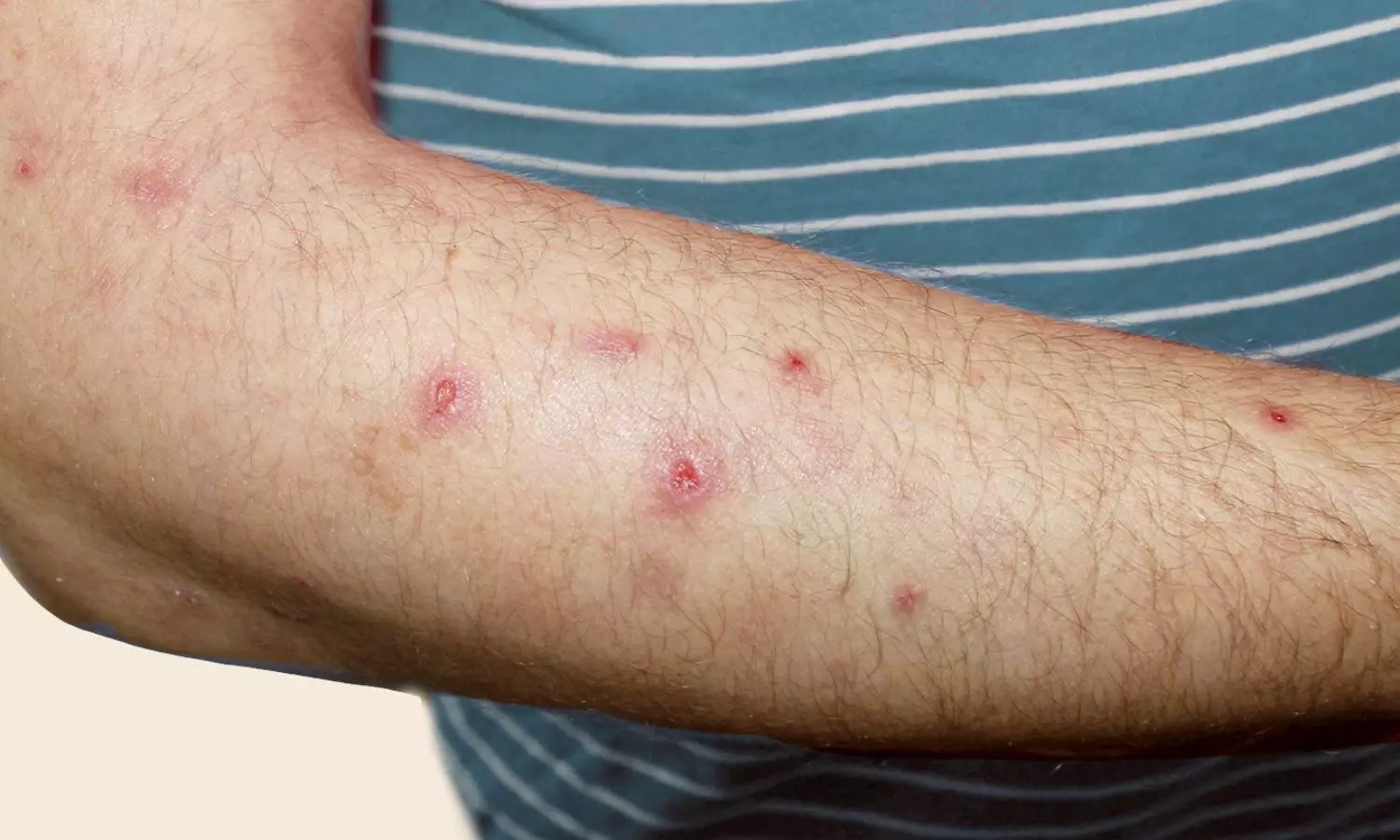
Prurigo Nodularis Greatly Increases Risk of Atopic Diseases, Especially Atopic Dermatitis, suggests study

Researchers have identified in a new study that patients diagnosed with prurigo nodularis (PN), a chronic dermatosis of intense itching and nodular lesions, are at a much greater risk of developing other atopic diseases, especially atopic dermatitis (AD). The study identifies that PN could have similar immunological mechanisms as atopic diseases, which tend to be associated with systemic inflammation and immune dysregulation. The study was published in the journal Archives of Dermatological Research by Hui-Chin C. and colleagues.

TriNetX research network was utilized to carry out the study, which pools real-world clinical evidence from various healthcare organizations. It comprised 16,005 PN patients and 16,005 controls matched by propensity score, followed-up to a maximum of 15 years. Propensity score matching was employed to account for confounding variables like demographic, socioeconomic, and medical factors, providing a balanced contrast between the groups. Hazard ratios (HRs) with 95% confidence intervals (CIs) were employed by the researchers to estimate each atopic disease risk. To maintain reliability, sensitivity analyses were performed to adjust for possible methodological biases.

Results

  • The analysis indicated a strong and statistically significant correlation between PN and the subsequent occurrence of atopic disorders.

  • The risk for atopic dermatitis (AD) was significantly increased, with PN patients having a 5.52-fold increased risk compared to controls (HR: 5.52; 95% CI: 4.39–6.94). Increased risks were also found for asthma (HR: 1.51; 95% CI: 1.35–1.68), conjunctivitis (HR: 1.28; 95% CI: 1.12–1.47), and allergic rhinitis (HR: 1.18; 95% CI: 1.08–1.29).

  • Notably, these risks differed by age and sex groups. The correlation was strongest in males and the elderly, with highest AD risk in subjects aged ≥65 years (HR: 7.99; 95% CI: 5.21–12.26).

This large, population-based study presents strong evidence that prurigo nodularis markedly elevates the risk of developing atopic diseases, with the most significant association being at atopic dermatitis. The data supports integrated care strategies with dermatological and allergological management practices to enhance outcomes in PN patients. Increased clinical vigilance, especially among elderly individuals and men, would allow for earlier diagnosis and treatment, leading eventually to a decrease in disease burden and quality of life improvement.

Reference:

Chang, HC., Lo, SW., Lu, HY. et al. New-onset atopic diseases in people with prurigo nodularis: a multi-center retrospective cohort study of electronic medical records. Arch Dermatol Res 317, 911 (2025). https://doi.org/10.1007/s00403-025-04391-9

Powered by WPeMatico

Female bodybuilders at risk of sudden cardiac death, reveals study

Sudden cardiac death is responsible for an unusually high proportion of deaths in female bodybuilders worldwide, according to research published in the European Heart Journal.

Sudden cardiac death is when someone dies suddenly and unexpectedly due to a problem with their heart. It is generally rare in young and seemingly healthy individuals.

The study found the greatest risk among women competing professionally. It also revealed a high proportion of deaths from suicide and homicide among female bodybuilders.

This is the first large-scale study to systematically investigate deaths in female competitive bodybuilders, and it was led by Dr Marco Vecchiato from the University of Padova, Italy. He said: “Bodybuilders, both female and male, often engage in extreme training, and use fasting and dehydration strategies to achieve extreme physiques. Some also take performance-enhancing substances. These strategies can take a serious toll on the heart and blood vessels.”

“Over recent years, more and more women have taken up strength training and competitive bodybuilding. Despite this growing participation, most of the available research and media attention has focused exclusively on male athletes. After publishing our previous study on mortality in male bodybuilders, we realised there was a striking lack of data on female athletes in the same field.”

The researchers gathered the names of 9,447 female bodybuilders from the official competition records and from an unofficial online database. All the women had participated in at least one International Fitness and Bodybuilding Federation event between 2005 and 2020.

The researchers then searched for reports of deaths of any of these named competitors in five different languages across different web sources including official media reports, social media, bodybuilding forums and blogs. Any reported deaths were then cross-referenced using multiple sources and these reports were verified and analysed by two clinicians to establish, as far as possible, the cause of death.

The researchers found 32 deaths among the women, with an average age at death of around 42 years. Sudden cardiac death was the most common cause of death, accounting for 31% of deaths. The risk of sudden cardiac death was more than 20 times higher among professional bodybuilders, compared to amateurs.

These results indicate that the risk of sudden cardiac death seems much higher is women bodybuilders compared to other professional athletes, although it is lower than the risk for male bodybuilders.

Suicide or homicide accounted for 13% of deaths, four times higher than in male bodybuilders. “This striking difference suggests that, beyond cardiovascular risks, female athletes in this field may face unique psychosocial pressures, possibly linked to body image expectations, performance-enhancing substance use, or the extreme demands of the sport,” Dr Vecchiato said.

The researchers acknowledge that the study is based on a web-based search strategy, which could have influenced their findings. For example, some deaths, especially among less-known athletes, may have gone unreported. They also found that that autopsy data were available for only a small proportion of cases, meaning that sudden deaths had to be classified based on clinical interpretation rather than confirmed forensic findings.

Dr Vecchiato said: “For female bodybuilders, this research is a reminder that the pursuit of extreme muscularity and leanness, while often celebrated, may come at a cost to health, particularly cardiovascular health. Awareness of these risks is essential to promote safer training practices, informed decision-making, and a more health-oriented approach to competitive bodybuilding.

“We also need a shift in the sport’s culture, to raise awareness of the risks, not only within the professional ranks, but also in the broader community of women engaging in high-intensity strength training.

“For clinicians, especially those working in sports medicine and sports cardiology, these findings underscore the need for proactive screening and counselling, even in young and seemingly healthy female athletes. These individuals may not perceive themselves as at risk, but the data suggest otherwise.”

Dr Vecchiato and his team are now studying the health outcomes for athletes across the different historical eras of bodybuilding to see whether changing practice has had an impact on the causes and rates of deaths.

Reference:

Marco Vecchiato, Andrea Ermolao, Lara Zane, Silvia Giagio, Andrea Aghi, Stefano Palermi, Nicola Borasio, Alessandro Zorzi, Daniel Neunhaeuserer, Mortality in female bodybuilding athletes, European Heart Journal, 2025;, ehaf789, https://doi.org/10.1093/eurheartj/ehaf789

Powered by WPeMatico

Childhood to Adulthood BMI Shift Linked to Midlife Cardiovascular, Kidney, and Metabolic Risks: Study

China: A long-term cohort study published in Diabetes Care has shed light on how changes in body mass index (BMI) from childhood to adulthood impact the risk of developing cardiovascular-kidney-metabolic (CKM) syndrome in midlife. Conducted by Yang Wang and colleagues from the Department of Cardiovascular Medicine at the First Affiliated Hospital of Xi’an Jiaotong University, the 36-year study provides important evidence on how early-life weight trends shape long-term health outcomes.    

The research, based on the Hanzhong Adolescent Hypertension Study, followed 1,997 participants aged 6 to 18 years at baseline, tracking them into their late 40s (mean age 48.12 years). Participants were categorized into four BMI trajectory groups: persistently normal, incident overweight (normal BMI in childhood shifting to overweight in adulthood), persistent overweight, and resolved overweight (high childhood BMI that normalized by adulthood).

The study revealed the following findings:

  • Individuals whose BMI changed from normal in childhood to overweight in adulthood had a significantly higher risk of developing more severe stages of cardiovascular-kidney-metabolic syndrome in midlife.
  • Compared to those with persistently normal BMI, these individuals had over five times the odds of progressing to intermediate CKM stage 2 (odds ratio [OR] 5.19).
  • They also had nearly seven times the risk of reaching advanced CKM stages 3–4 (OR 6.70).
  • This BMI transition pattern was associated with higher rates of diastolic heart dysfunction, early kidney damage, albuminuria, and metabolic abnormalities.
  • Conversely, children with elevated BMI who achieved normal weight by adulthood did not face elevated risks.
  • Their CKM risk profiles were similar to those of individuals who maintained a normal BMI from childhood through adulthood.

“Transitioning from normal weight in childhood to overweight in adulthood poses a substantial risk to cardiometabolic and renal health in midlife,” noted the authors. “However, if elevated childhood BMI resolves by adulthood, these risks are significantly diminished.”

CKM syndrome encompasses a spectrum of interconnected disorders involving the heart, kidneys, and metabolic systems. It progresses in stages, with early intervention seen as key to preventing irreversible health outcomes later in life. The study’s use of multivariable regression models allowed for a nuanced understanding of how BMI changes interact with the different components of CKM syndrome over time.

These findings emphasize the long-term consequences of weight gain during adulthood and highlight the potential benefits of maintaining or achieving a healthy BMI early in life. The researchers emphasize that efforts to prevent adult weight gain—particularly among those with normal childhood weight—could play a crucial role in mitigating midlife health risks related to the heart, kidneys, and metabolism.

Reference:

Yang Wang, Yang Yang, Jing Chen, Ming-Fei Du, Yue Sun, Dan Wang, Hao Jia, Gui-Lin Hu, Zi-Yue Man, Teng Zhang, Sheng-Hao Zuo, Chao Chu, Ming-Ke Chang, Ze-Jiaxin Niu, Ying Xiong, Hao Li, Shi Yao, Lei Chen, Jie Ren, Yu-Ming Kang, Zu-Yi Yuan, Duo-Lao Wang, Gregory Y. H. Lip, Zheng Liu, Jian-Jun Mu; Transition of BMI Status From Childhood to Adulthood and Cardiovascular-Kidney-Metabolic Syndrome in Midlife: A 36-Year Cohort Study. Diabetes Care 2025; dca250027. https://doi.org/10.2337/dca25-0027

Powered by WPeMatico

In Childhood Psoriasis, Obesity and Nail Involvement Increase Arthritis Risk: Study

A recent study published in the journal of Egyptian Rheumatology and Rehabilitation revealed that children with psoriasis are at greater risk of developing juvenile psoriatic arthritis (JPsA) if they have elevated body mass index (BMI) or nail psoriasis. These factors may serve as important clinical indicators for early screening and intervention in at-risk pediatric patients.

Of the 7 types of juvenile idiopathic arthritis (JIA), juvenile psoriatic arthritis (JPsA) affects around 1–7% of the total JIA population. One of the main criteria for diagnosing JPsA is the correlation between psoriasis and arthritis. Even in youngsters, PsA is a progressive condition that causes joint deterioration and bone erosion.

Better results might arise from early detection of PsA. Clinical risk factors for the development of PsA in adults include the severity of psoriasis, obesity, uveitis, hypercholesterolemia, smoking, trauma, and depression. These stimuli might set off a chain reaction of inflammation that eventually results in dactylitis, enthesitis, and arthritis. However, the risk factors for JPsA development in children with psoriasis are poorly understood. Therefore, this study was set to look at many clinical risk factors for children with psoriasis to develop psoriatic arthritis.

In addition to 40 children with JPsA (group II), 40 children with psoriasis without arthritis (group I) were included in this study. Every patient had a complete medical history, a clinical examination, a laboratory evaluation, a body mass index (BMI) calculation, and a PASI score to determine the severity of their psoriasis.

There was no discernible difference between the two groups in terms of psoriasis family history, age, or sex. When compared to 2.5% and 15% in group I, 47.5% and 32.5% of group II were overweight and obese, respectively. Group II had a non-significantly greater percentage of passive smoking (37.5%) than group I (25%).

ESR and CRP values were substantially higher in Group II of the patients under study (P < 0.001). Group I developed nail psoriasis at a rate of 22.5%, whereas group II had it at 65 percent (P<0.001). Overweight, obesity, and nail psoriasis were predictors of developing JPsA using binary logistic regression (P<0.05 and OR >1 with 95% CI). Overall, this evidence suggests that in order to forecast JPsA, it is necessary to monitor children with psoriasis, particularly those who are overweight and have nail psoriasis. 

Reference:

Abdella, D. H. M., Abd Elghany, A. M. R., Sarsik, S., Khallaf, M. K., & Abdelwahab, S. A. (2025). Factors predicting juvenile psoriatic arthritis in children with psoriasis. Egyptian Rheumatology and Rehabilitation, 52(1). https://doi.org/10.1186/s43166-025-00344-2

Powered by WPeMatico

Weekly Injectable Treatment May Transform Parkinson’s Disease Management: Study

Australia: Parkinson’s disease, the second most common neurodegenerative disorder after Alzheimer’s, affects over 10 million people globally, with symptoms typically emerging after age 50. Patients often rely on multiple daily tablets to manage symptoms like tremors, stiffness, and balance issues. Now, Australian scientists have developed a potential weekly injectable treatment. If proven safe and effective, this long-acting therapy could significantly improve the quality of life for those with Parkinson’s.

In a recent study published in Drug Delivery and Translational Research, Professor Sanjay Garg from the Centre for Pharmaceutical Innovation, University of South Australia, and his team explored the development of an in-situ forming implant system designed to provide sustained delivery of levodopa and carbidopa—two standard drugs used to treat Parkinson’s disease symptoms. The primary objective was to alleviate the burden of frequent oral dosing and improve medication adherence among patients.

The study led to the following findings:

  • The formulation uses biocompatible polymers—poly-lactic-co-glycolic acid (PLGA 50:50) and Eudragit L-100—to create a biodegradable implant after injection.
  • The optimized composition contains 26% PLGA and 6% Eudragit L-100, enabling sustained drug release over seven days.
  • Laboratory studies showed an initial release of approximately 34% of levodopa and 37% of carbidopa in the first 24 hours.
  • By the end of seven days, cumulative release reached 92% for levodopa and 81% for carbidopa.
  • The formulation exhibited low viscosity, facilitating easy injection through a standard 22-gauge needle.
  • Syringeability tests showed that the required injection force was within acceptable limits, supporting ease of administration.
  • In-vitro and ex-vivo release profiles showed a strong correlation, with coefficients of 0.91 for levodopa and 0.90 for carbidopa.
  • Degradation studies indicated that about 82% of the implants disintegrated within seven days.
  • Complete degradation of the implant occurred within 13 days, demonstrating temporary in-body presence.
  • Pharmacokinetic modeling predicted an AUC₀–∞ of 26,505.5 ng/ml.
  • The peak plasma concentration (Cmax) was estimated at 399.3 ng/ml, occurring 24 hours after injection.
  • The drug concentrations remained within therapeutic levels throughout the one-week period.

The researchers highlighted that this in-situ forming implant system offers a simple, cost-effective, and scalable approach to long-acting drug delivery for Parkinson’s disease. By reducing the dosing frequency, the new formulation has the potential to significantly improve medication adherence and alleviate the treatment burden on elderly patients.

The researchers concluded, “If further validated in clinical trials, this weekly injectable therapy could mark a significant step forward in Parkinson’s disease management, offering patients a more convenient and consistent treatment option.”

Reference:

Nakmode, D.D., Abdella, S., Song, Y. et al. Development of an in-situ forming implant system for levodopa and carbidopa for the treatment of parkinson’s disease. Drug Deliv. and Transl. Res. (2025). https://doi.org/10.1007/s13346-025-01892-y

Powered by WPeMatico

Progestogen-Only Pills Linked to Higher Asthma Risk in Some Women: Study

A new study published in the European Respiratory Journal showed that there is no connection between combination oral contraceptives (COCs) and asthma in women of reproductive age. However, in some subgroups, progestogen-only pills (POPs) may raise the risk of asthma episodes.

Female sex hormones have been linked to these variations, albeit the precise processes are unknown. Hospitalization, exacerbations of asthma, and a reduction in lung function are all linked to menstrual-related alterations. On the other hand, studies found hormone replacement treatment is linked to a higher incidence of asthma and the usage of asthma drugs in postmenopausal women.

The effect of hormonal contraceptive usage on asthma risk has been the subject of very few investigations. A higher risk of asthma, wheezing, and other allergies, including hay fever, has been noted in some studies, while others have shown no correlation between the use of either hormonal contraceptives or combination oral contraceptives and asthma or asthma symptoms. In light of this ambiguity, this study looked in to the connection between women of reproductive age’s asthma and their current usage of OCP.

This research compared OCP never-users to new users using a combination oral contraceptive (COC) cohort and a progestogen-only (POP) cohort of women with asthma (18–50 years old) using the UK’s Clinical Practice Research Datalink, which is connected to hospital admission and mortality data, 2004–2020.

This study used Cox proportional hazards and inverse-probability of treatment weighting, taking into consideration comorbidities, asthma severity/control, and demographics. Age, BMI, blood eosinophils (x109 cells·L−1, normal <0.3, eosinophilia ≥0.3), and corticosteroid usage (lower use: ≤3 inhaled corticosteroid prescriptions, greater use: ≥4 inhaled and/or oral corticosteroids) were also classified by possible modifiers.

This study shortlisted 1,29,151 and 1,32,676 for the POP and COC cohorts, respectively. Neither POP nor COC were linked to asthma episodes (weighted HR, 95% CI: POP=1.11, 0.97–1.28; COC=1.00, 0.89–1.13). Once asthma severity/control, demographics, and comorbidities were taken into consideration, the POP relationship was altered by asthma phenotype and corticosteroid usage but not by BMI.

Asthma episodes were more likely to occur among POP users who were younger than 35 (1.39, 1.12–1.72), had eosinophilia (1.24, 0.97–1.58), or used less corticosteroids (1.20, 1.03–1.40). Overall, in women with eosinophilic asthma, younger women and women who take corticosteroids less often, starting exogenous progesterone without an estrogen component (POP) was linked to an increase in asthma episodes.

Source:

Lee, B., Amir Reza, R. F., Wong, E., Tan, T., & Bloom, C. I. (2025). Oral contraceptives and the risk of asthma attacks: a population-based cohort study. ERJ Open Research, 01278–02024. https://doi.org/10.1183/23120541.01278-2024

Powered by WPeMatico

Emcure Pharma’s Wellness Arm Arth Ropes In MS Dhoni to Promote Sleep Gummies Range

New Delhi: Arth by Emcure, a wellness brand from Emcure Pharmaceuticals, has partnered with former Indian cricket captain MS Dhoni for its new campaign titled “So Jao”, aimed at raising awareness about the importance of sleep and holistic well-being.

The campaign underscores the critical role of rest in maintaining both physical and mental health, at a time when sleep deprivation is emerging as a widespread concern among working professionals and youth. Through this initiative, Arth by Emcure seeks to highlight how quality sleep contributes to productivity, emotional balance, and overall vitality.

As part of the campaign film, M.S. Dhoni appears in a relatable, calming setup, encouraging people to “slow down” and give their bodies the rest they deserve for better focus and health.

Namita Thapar, Executive Director of Emcure Pharmaceuticals, said, “We are thrilled to have M.S. Dhoni join hands with Arth by Emcure in our latest campaign, So Jao. Arth has always been about holistic well-being, and sleep plays a pivotal role in it. M.S. Dhoni, with his calm demeanour and focus, perfectly embodies the message we wish to share with this campaign – the importance of rest in achieving balance and wellness.”

The campaign also draws attention to global and national research findings on sleep health. A 2025 study published in Scientific Reports (Nature) found that Indian adults average around 6.9 hours of total daily sleep, including 6.4 hours at night—well below the recommended duration. Another study in the International Journal of Psychology (2025) links sleep deprivation to reduced attention, memory, and decision-making capabilities.

Market data reflect a sharp rise in awareness around sleep wellness. Online searches for “sleep gummies” reportedly increased by over 650% in the past year, indicating growing public interest in non-habit-forming, natural sleep aids such as melatonin, magnesium, and herbal formulations.

The Arth by Emcure range includes Sleep Support Gummies, made with melatonin, L-theanine, chamomile, and passion flower extract, designed to support relaxation and healthy sleep cycles. These products are manufactured in FDA-approved facilities and adhere to strict quality standards.

The “So Jao” campaign continues Arth by Emcure’s mission of fostering awareness about simple, science-backed lifestyle choices that promote mental calm, physical recovery, and overall well-being.

Powered by WPeMatico