Eclampsia Significantly Increases Risk of Cardiovascular Readmissions Within First Year Post-Delivery: Study

USA: Women who experience eclampsia during pregnancy face a markedly higher risk of being readmitted for cardiovascular disease (CVD) within the first year after delivery, a new large-scale study has revealed. The findings emphasize the urgent need for closer cardiovascular monitoring and early follow-up care in this high-risk group.   

Published in the European Heart Journal, the study was led by Dr. Jessica C. Fields and her team from the Departments of Obstetrics and Gynecology at Christiana Care Health Services, Newark, Delaware. The research aimed to assess early postpartum cardiovascular complications among women diagnosed with eclampsia—a severe hypertensive disorder of pregnancy that often follows preeclampsia and can lead to seizures, organ damage, or even death if left untreated.

Using data from the Nationwide Readmissions Database covering the years 2010 to 2018, the researchers evaluated over 27.4 million delivery hospitalizations across the United States. Out of these, 20,478 deliveries were complicated by eclampsia, translating to a rate of about 74.7 per 100,000.

The analysis revealed the following findings:

  • Women with eclampsia had a cardiovascular readmission rate of 854 per 100,000 within one year of delivery.
  • In comparison, normotensive women had a significantly lower readmission rate of 147 per 100,000.
  • This resulted in an adjusted hazard ratio (HR) of 6.9, indicating a strong association between eclampsia and increased CVD risk.
  • Stroke posed the highest risk among all cardiovascular complications, with an adjusted HR of 12.6.
  • Other cardiovascular conditions also showed elevated risks, with adjusted HRs ranging from 4.8 to 15.5.
  • The increased risk of cardiovascular events was noticeable as early as the first month after childbirth.
  • These findings highlight the need for immediate and targeted cardiovascular follow-up in women who experience eclampsia during pregnancy.

The research team also performed quantitative bias analyses to account for potential misclassification of eclampsia and other unmeasured confounders, reinforcing the robustness of their findings.

These results build on existing evidence linking hypertensive pregnancy disorders to long-term cardiovascular complications, but they go a step further by highlighting that the danger begins much earlier than previously assumed.

The authors advocate for structured short-term cardiovascular follow-up for women with eclampsia, noting that early detection and intervention could be key in reducing life-threatening complications in the postpartum period. As maternal health remains a global priority, the findings point to a critical gap in postnatal care that must be addressed urgently.

“These findings highlight the urgent need for enhanced short-term monitoring and early detection of cardiovascular disease in women who experience eclampsia,” the authors concluded.

Reference:

Fields, J. C., Rosenfeld, E. B., Lee, R., Brandt, J. S., Graham, H. L., Rosen, T., & Ananth, C. V. Eclampsia and early readmission for cardiovascular disease. European Heart Journal. https://doi.org/10.1093/eurheartj/ehaf389

i

Powered by WPeMatico

Elevated TyG Index Linked to Higher Risk of Developing Gout: Study

Researchers found that greater triglyceride-glucose (TyG) index, a marker of insulin resistance, is highly associated with greater risk of gout development in the general population. The study, analyzing data from over 300,000 South Korean adults for 17 years, found that greater TyG index levels are a powerful predictor of gout development. The study was published in Scientific Reports journal by Yoonkyung C. and colleagues.

The study employed data from the South Korean National Health Screening Cohort Database from 2002 to 2019, enrolling 300,107 participants who had no gout history before enrollment and received at least three TyG index measurements. TyG index is derived from fasting glucose and triglyceride values and is regarded as a valid surrogate marker for insulin resistance. The aim was to study whether the change and the levels of this index over time would predict the development of gout.

Participants were followed for a median of 9.62 years (interquartile range: 8.72 to 10.53 years). Researchers applied time-dependent and average-based Cox proportional hazards analysis to evaluate the correlation between the TyG index and the development of gout, with adjustment for confounding variables of age, sex, BMI, lifestyle, and comorbidities.

Key Findings

  • In follow-up, 14,116 patients about 4.72% of the cohort were diagnosed with gout.

The findings showed a strong and linear association between elevated TyG index levels and the development of gout:

  • For each unit increase in the TyG index, the risk of gout increased by 15% (Hazard Ratio [HR] 1.150; 95% Confidence Interval [CI] 1.116–1.184).

  • When participants were divided on the basis of quartiles of TyG index, the highest quartile had a 32.6% increased risk of gout as compared to the lowest quartile (HR 1.326; 95% CI 1.260–1.397).

  • The findings showed a J-shaped curve indicating that risk of gout is fairly constant at lower levels of TyG but increases steeply after a cut-off point.

This large-scale, long-term cohort study confirms that a high TyG index is a robust and independent predictor of future gout risk in the general population. The observed dose-response relationship and the reported J-shaped pattern serve to reinforce further the role of metabolic health in the prevention of gout. Monitoring and regulation of insulin resistance through lifestyle or pharmacologic intervention may therefore offer an effective means to reduce the burden of gout worldwide.

Reference:

Chang, Y., Park, Jy. & Song, TJ. Association between triglyceride-glucose index and incidence risk of gout: a nationwide cohort study. Sci Rep 15, 26602 (2025). https://doi.org/10.1038/s41598-025-11217-1

Powered by WPeMatico

High glucose levels in people with diabetes linked to tripling of eye disease risk: Study

Older people with diabetes who do not keep blood sugar levels low are three times more likely to develop eye disease compared to counterparts who have reduced blood sugar levels, suggests a new study by a UCL team.

The study, published in the journal BMJ Open, looked at survey data for 5,600 people aged 52 and over in England across 14 years.

The researchers found that people with “uncontrolled” diabetes – that is, whose blood sugar levels were high at the start of the study – had a 31% chance of developing diabetic eye disease over 14 years.

In contrast, people diagnosed with diabetes whose blood sugar levels were found to be within a “normal” range at the study’s start had a 9% chance of developing the disease over the same time.

The group with diabetes who had high blood sugar levels (above 6.5% on a HbA1c test, which reflects blood sugar levels over two months) were also more likely to develop two other eye diseases, glaucoma and macular degeneration.

In addition, people who had undiagnosed diabetes had a higher risk of developing eye disease than those who had had a diagnosis but had reduced their blood sugar levels.

Specifically, people with undiagnosed diabetes were 38% more likely to develop macular degeneration over the 14 years than those with controlled diabetes. They were also 23% more likely to develop diabetic eye disease.

Co-author Dr Stephen Jivraj, of the UCL Institute of Epidemiology & Health Care, said: “The number of older people with diabetes in England is expected to increase rapidly in coming years. In the 2000s, the proportion of working-age people with a diabetes diagnosis more than doubled, from 2.8% to 6.8%.

“These findings show how important it is that people with diabetes are diagnosed and are supported in managing the condition, as this will reduce their chance of potentially debilitating eye disease.”

First author Caitlin Lin, who is now a PhD candidate at the UCL Global Business School for Health, said: “The study highlights the importance of eye examinations among those in older age, especially those with a diabetes diagnosis. It also supports wider testing for diabetes in the general population, to reduce the number of people who do not realise they have the condition and could therefore be at a higher risk of eye disease than if they had a diagnosis.”

Diabetic eye disease most commonly refers to diabetic retinopathy, where high blood sugar levels damage the retina at the back of the eye. People with diabetes also have an increased risk of glaucoma (damage to the optic nerve connecting the eye to the brain), macular degeneration (where the central part of the retina, the macula, becomes damaged) and cataract (where the lens in your eye becomes cloudy).

However, some researchers have suggested the link between diabetes and some eye diseases may be due to greater monitoring of the eyes of people with diabetes.

For the new paper, Ms Lin and Dr Jivraj used 14 years of data from the English Longitudinal Study of Ageing (ELSA), in which a nationally representative population sample in England answers a wide range of questions every two years.

They calculated the odds of developing eye diseases over that time period among different groups (those without diabetes and those with undiagnosed diabetes, uncontrolled diabetes and controlled diabetes), adjusting for other factors that could have skewed the results, such as age, smoking status and levels of physical activity.

Two years after the study’s start, the predicted odds of developing diabetic eye disease were 5% for the diabetes group with lower blood sugar levels and 7% for the diabetes group with higher blood sugar levels. By the end of the study, the odds were 9% and 31% respectively.

The researchers did not find a difference between the groups in the likelihood of developing cataracts.

Among the study’s limitations, the authors noted that the number of people responding to the surveys fell by more than half by the end of the study period, which could potentially bias estimates of the odds of developing eye disease.

Reference:

Lin C, Jivraj SAre diabetes and blood sugar control associated with the diagnosis of eye diseases? An English prospective observational study of glaucoma, diabetic eye disease, macular degeneration and cataract diagnosis trajectories in older ageBMJ Open 2025;15:e091816. doi: 10.1136/bmjopen-2024-091816

Powered by WPeMatico

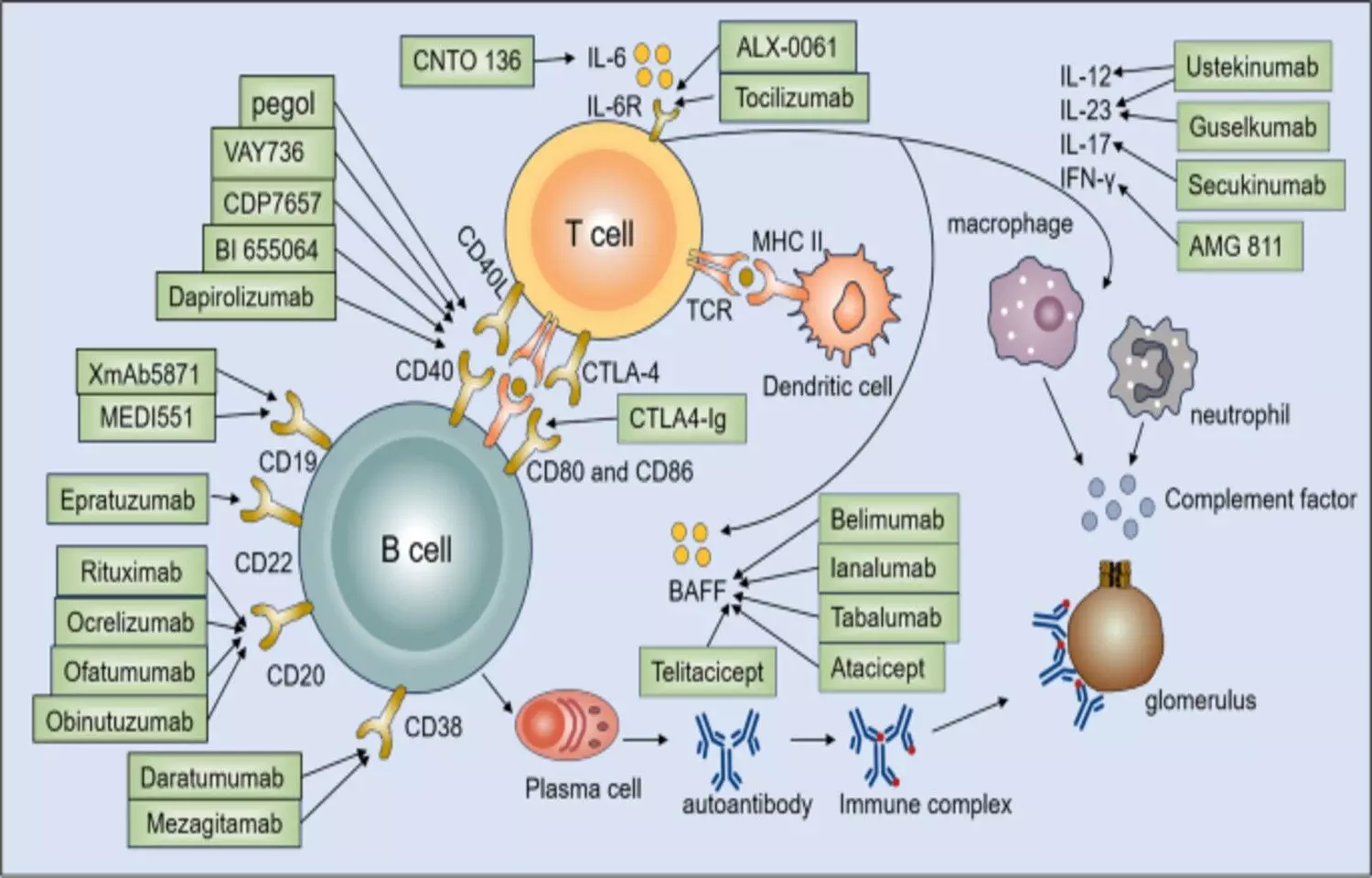
Telitacicept Improves Clinical Response but Increases Infection Risk in Active SLE: NEJM

In a 52-week trial of patients with active systemic lupus erythematosus (SLE) receiving standard background therapy, telitacicept produced a higher clinical response rate compared with placebo. The study, published in the New England Journal of Medicine, evaluated the efficacy and safety of telitacicept, a dual B-cell activating factor (BAFF) and APRIL inhibitor. Patients treated with telitacicept achieved significantly greater improvements in disease activity scores, reflecting better control of lupus manifestations such as rash, arthritis, and serologic activity. However, the treatment was also linked to increased rates of upper respiratory infections, decreased immunoglobulin levels, and injection-site reactions, underscoring the need for careful monitoring.

The trial demonstrated that telitacicept’s mechanism—targeting both BAFF and APRIL pathways—effectively suppresses B-cell overactivation, a key driver of autoimmunity in SLE. Compared with placebo, participants receiving telitacicept showed more frequent achievement of composite clinical response endpoints, including SRI-4 and BICLA measures. Despite the therapeutic benefit, safety data revealed that reductions in immunoglobulin concentrations could predispose some patients to infections, primarily mild to moderate in severity. Injection-site reactions were also noted but were generally self-limiting. The overall risk-benefit profile favored telitacicept, particularly for patients with persistent disease activity despite conventional treatment.

In conclusion, the findings suggest that telitacicept offers a promising new approach for improving disease control in patients with active SLE, though its use requires vigilance for infection risk and immune suppression. By targeting key B-cell survival factors, telitacicept represents a significant advancement in biologic therapy for lupus. The authors emphasize the importance of individualized dosing, infection surveillance, and long-term follow-up to optimize outcomes. As further studies expand on durability and safety, telitacicept may play a pivotal role in modern lupus management.

Keywords: systemic lupus erythematosus, SLE, telitacicept, BAFF, APRIL, B-cell therapy, infection risk, immunoglobulin, New England Journal of Medicine, clinical trial

Reference
Zhang, F., Tanaka, Y., Mok, C. C., Merrill, J. T., & Van Vollenhoven, R. (2025). Telitacicept in patients with active systemic lupus erythematosus: A 52-week randomized trial. New England Journal of Medicine. https://doi.org/10.1056/NEJMoa2414719


Powered by WPeMatico

Eating more fruits and vegetables during day linked to better sleep: Study

From counting sheep to trying white noise or using weighted blankets, people have explored countless ways to improve their sleep. Poor sleep, however, continues to take a serious toll, influencing heart and metabolic health, memory, learning, productivity, emotional balance, and even relationships.

Now, scientists say one surprisingly effective aid for better sleep might already be on your grocery list. Researchers from the University of Chicago Medicine and Columbia University discovered that eating more fruits and vegetables during the day was linked to more restful, higher-quality sleep later that night.

“Dietary modifications could be a new, natural and cost-effective approach to achieve better sleep,” said co-senior author Esra Tasali, MD, director of the UChicago Sleep Center. “The temporal associations and objectively-measured outcomes in this study represent crucial steps toward filling a gap in important public health knowledge.”

Exploring How Diet and Sleep Interact

Previous studies have shown that getting too little sleep can drive people toward unhealthier eating patterns, often higher in fat and sugar. Yet, despite how sleep influences well-being and productivity, scientists have known far less about the reverse — how diet affects sleep itself.

While earlier research linked greater fruit and vegetable intake with people reporting better sleep, this study was the first to show a same-day relationship between diet and objectively measured sleep quality.

For the research, healthy young adults logged their daily food intake using an app and wore a wrist monitor that tracked their sleep. The scientists analyzed a measure called “sleep fragmentation,” which captures how often a person wakes up or shifts between lighter and deeper stages of sleep during the night.

What the Researchers Found

The results showed that daily eating habits were strongly connected to how well participants slept that night. Those who ate more fruits and vegetables — and consumed more complex carbohydrates such as whole grains — experienced longer periods of deep, undisturbed sleep.

According to the team’s analysis, people who met the CDC recommendation of five cups of fruits and vegetables per day could see an average 16 percent improvement in sleep quality compared with those who ate none.

“16 percent is a highly significant difference,” Tasali said. “It’s remarkable that such a meaningful change could be observed within less than 24 hours.”

What Comes Next

Future research will investigate whether the relationship is causal, explore the biological mechanisms involved, and test the results in broader and more diverse groups. Still, the researchers say current evidence strongly supports making fruits, vegetables, and whole grains a daily habit for better long-term sleep health.

“People are always asking me if there are things they can eat that will help them sleep better,” said co-senior author Marie-Pierre St-Onge, PhD, director of the Center of Excellence for Sleep & Circadian Research at Columbia. “Small changes can impact sleep. That is empowering — better rest is within your control.”

Reference:

Hedda L. Boege, Katherine D. Wilson, Jennifer M. Kilkus, Waveley Qiu, Bin Cheng, Kristen E. Wroblewski, Becky Tucker, Esra Tasali, Marie-Pierre St-Onge. Higher daytime intake of fruits and vegetables predicts less disrupted nighttime sleep in younger adults. Sleep Health, 2025; 11 (5): 590 DOI: 10.1016/j.sleh.2025.05.003

Powered by WPeMatico

Older adults with serious illness before surgery use far more health care resources after surgery: Study

Older adults who have serious illness before undergoing elective surgery had hospital stays twice as long as similarly aged counterparts; were twice as likely to return to the hospital or the emergency department; and had almost double the yearly costs of health care, according to a study published in the Journal of the American College of Surgeons.

“We were looking at the palliative care needs of this group of patients to see whether we could identify points to intervene,” said lead study author Jolene Wong Si Min, MD, of the Center for Surgery and Public Health at Brigham and Women’s Hospital in Boston and the National Cancer Center Singapore and Singapore General Hospital. “These needs were high in older adults with serious illness and who were going for major elective surgery.”

The study used data from the Health and Retirement Survey linked to Medicare claims and analyzed data from 2,499 patients aged 66 and older who had major elective surgery between 2007 and 2019.

Key Findings

  • 79% of the study population had one of four clinical characteristics indicating a need for palliative care before undergoing elective surgery: moderate to severe pain; depression; functional dependence; and a need for a care partner.
  • 63% of this population had serious illness.
  • Seriously ill older adults with palliative care needs before surgery had higher rates of total hospital stays compared with patients who did not have serious illness before surgery.
  • Adjusted one-year health care costs averaged $38,187 for this population compared with $20,129 for those without serious illness.

The study defined serious illness as any life-limiting condition that affects an individual’s quality of life or causes excessive strain on care partners. Palliative care, according to the authors, focuses on improving the quality of life through the relief of pain and psychological symptoms, addressing functional needs, and providing care partner support, among others.

“Among the four characteristics that we looked at, depression had the highest significance when it comes to having an association with health care utilization and costs,” Dr. Wong said. “If you were to choose any target to treat, it should be depression.”

Patients with serious illness and depression had significantly higher rates of health care utilization than patients without serious illness.

“An important next step would be to see how we can successfully incorporate palliative care practices in the care of seriously ill patients going for routine elective surgery,” Dr. Wong said.

While some health care advocates have held out a model of embedding palliative care specialists with surgical teams, Dr. Wong said the study authors believe training surgeons to be attentive to palliative care needs would be a more practical approach.

“Future research would be in a generalist palliative care model,” Dr. Wong said. “We feel strongly that surgeons should be trained to understand how palliative care applies to surgical practice because these needs are so common.”

Reference:

Min, Jolene Wong Si MD1,2,3; Wang, Yihan PhD4; Bollens-Lund, Evan MA4; Reich, Amanda J PhD, MPH1; Dhanani, Hiba MD1,2; Ankuda, Claire K4; Lipsitz, Stuart ScD1; Gray, Tamryn F PhD, RN, MPH, ScD5,6,7; Ritchie, Christine S MD, MSPH8; Tabata-Kelly, Masami MBA, MA1,9; Cooper, Zara MD, FACS, MSc1,2. Prevalence of Preoperative Palliative Care Needs and Association with Healthcare Use and Cost Among Older Adults Undergoing Major Elective Surgery. Journal of the American College of Surgeons ():10.1097/XCS.0000000000001491, July 16, 2025. | DOI: 10.1097/XCS.0000000000001491

Powered by WPeMatico

Eye Scan May Help Detect and Predict Severity of Sleep Apnea, Study Finds

USA: A new study published in the Annals of the American Thoracic Society suggests that optical coherence tomography (OCT), a non-invasive eye imaging technique, could help predict both the presence and severity of obstructive sleep apnea (OSA).

The research, led by Dr. Maide Gözde İnam from the Department of Ophthalmology, Edward S. Harkness Eye Institute, Vagelos College of Physicians and Surgeons, Columbia University Irving Medical Center, New York, highlights the potential of eye-based imaging as a diagnostic tool for this common sleep disorder.
OSA, characterized by repeated interruptions in breathing during sleep, has long been known to affect the body’s microvascular system. Given this association, the researchers explored whether changes in the choroidal vasculature—the network of blood vessels beneath the retina—could reflect the presence and severity of OSA. Spectral domain optical coherence tomography (SD-OCT) was employed to capture detailed cross-sectional images of the choroid, enabling a deeper look into these vascular changes.
The study analyzed SD-OCT images from 120 individuals diagnosed with OSA. Participants were divided into four groups based on the severity of their condition, as defined by the apnea–hypopnea index. Using ImageJ/FIJI software developed by the National Institutes of Health, the team measured various choroidal biomarkers, including choroidal thickness, vascular indices, total choroidal area, and the luminal-to-stromal ratio. These parameters were compared among participants with varying degrees of OSA and those without the condition.
The key findings include the following:
  • The presence and severity of obstructive sleep apnea were significantly associated with changes in the choroidal structure, particularly within the non-Haller’s layer.
  • The thickness ratio between Haller’s and non-Haller’s layers showed a strong correlation with OSA severity, especially in the nasal region located 1000–2500 µm from the fovea.
  • The nasal 2500 µm region exhibited the highest discriminative ability for identifying severe OSA, with an area under the curve (AUC) value of 0.733.
  • Logistic regression analysis identified the Haller’s/non-Haller’s layer thickness ratio at the nasal 2500 µm region as the most significant predictor of severe OSA.
  • This association remained significant after adjusting for age, sex, and comorbidities, with an odds ratio of 2.147.
According to the authors, these results indicate that OSA is associated with microvascular remodeling in the choroid, particularly on the nasal side of the fovea. This remodeling alters the balance between the vascular layers, increasing the thickness ratio of Haller’s to non-Haller’s layers—a potential imaging biomarker for disease severity.
“The study highlights the promise of SD-OCT as a non-invasive, accessible tool for identifying systemic vascular changes associated with OSA. By detecting subtle microvascular alterations, OCT imaging could support early diagnosis, assist in risk stratification, and help monitor disease progression in patients with obstructive sleep apnea,” the authors concluded.
Reference:
İnam MG, İnam O, Lin JM, Park J, Gucer D, Tezel TH. Predicting the Presence and Severity of Obstructive Sleep Apnea with Optical Coherence Tomography. Ann Am Thorac Soc. 2025 Sep 30. doi: 10.1513/AnnalsATS.202506-579OC. Epub ahead of print. PMID: 41025935.

Powered by WPeMatico

Finding the hidden link between diabetic nerve damage and bone loss

Diabetes Mellitus is a chronic metabolic disorder and is one of the leading chronic diseases worldwide. It is widely known for its impact on blood sugar levels and conditions related to the cardiovascular system, kidneys, eyes, and nerves. One of its most common and crippling complications is diabetic peripheral neuropathy (DPN), which is characterized by loss of nerve fibers, impaired sensation and pain, especially in the limbs. While these effects are commonly known, a lesser-known consequence is its effect on bone health, characterized by decreased bone mineral density with an increased risk of fractures.

Recent research suggests that DPN could be linked with an increased fracture risk. However, the exact biological connection between diabetic nerve damage and skeletal health remains underexplored. Bridging this gap, a team of researchers led by Dr. Aaron James from Johns Hopkins University, Baltimore, USA, reveal a direct connection between DPN and bone degeneration, linking it to reduced cell signaling. The findings of the investigation were published online in Volume 13, Issue 67 of Bone Research on July 4, 2025.

To observe this link, the team modeled type 2 diabetes in young, male mice using a high-fat diet (HFD) and observed the classic signs of metabolic dysfunction like weight gain, insulin resistance and elevated blood glucose. In addition to these, the mice also developed a measurable level of nerve damage (neuropathy) indicated by a decrease in nerve fibers in the outer skin layer and reduced response to pain stimuli. Moreover, the researchers also observed a striking loss of nerve fibers in the bones themselves.

Notably, the longer bones of the HFD-fed mice showed up to 76% reduction in nerve densities. This reduction in nerve density also coincided with weakened bone structure including reduction in bone volume, cortical (outer bone) thickness as well as the trabecular (inner spongy bone) density.

“We’ve known that patients with diabetes have a higher risk of fractures, but our study shows that part of this risk may come directly from disrupted nerve-bone communication,” comments communicating author, Dr. James.

To uncover the underlying biological mechanism, the team conducted single-cell RNA sequencing and analyzed both sensory neurons as well as periosteal cells –thin layer of cells that surround the bones and are critical for growth and repair. They observed that a group of signaling molecules like VEGFA (Vascular Endothelial Growth Factor A), BDNF (Brain-Derived Neurotrophic Factor) and CGRP (Calcitonin Gene-Related Peptide) secreted by healthy neurons, interact with periosteal cells to promote bone formation and repair. But under diabetic conditions, this nerve-to-bone signaling was impaired, and instead of forming new bone, the periosteal cells started to shift towards fat cell differentiation (adipogenesis).

Moreover, several crucial cell communication pathways involved in regulating bone formation and bone homeostasis were also suppressed. These pathways included WNT (Wingless-related integration site), TGFβ (Transforming Growth Factor-β), MAPK (Mitogen-Activated Protein Kinase), and mTOR (mechanistic Target of Rapamycin) signaling pathways which are critically involved in modulating the activity of osteoblasts (bone-forming cells), osteoclasts (bone-resorbing cells), and osteocytes (mature bone cells).

However, when these periosteal cells obtained from diabetic mice were treated with conditioned media derived from healthy sensory nerve cells, they restored their capacity to grow into bone-forming cells. This also included the reactivation of the MAPK signaling pathway.

“This restoration of lost communication between nerve and bone cells could be a game changer,” exclaims Dr. James, “By targeting these neural pathways, someday we may also be able to prevent or even reverse bone deterioration in people with diabetes.”

Overall, the study not only holds significance for understanding bone biology and nerve interactions but also opens new research avenues beyond diabetes, further exploring connections between nerve signals and osteoporosis or non-healing fractures. In the future the researchers aim to evaluate the effects of neuropathy under specific conditions including age, sex, and severity of diabetes and also analyze which specific factors in the conditioned media account for the restoration of bone formation—giving wider insights for bone repair.

Reference:

Cherief, M., Gomez-Salazar, M., Kang, M. et al. Reduced somatosensory innervation alters the skeletal transcriptome at a single cell level in a mouse model of type 2 diabetes. Bone Res 13, 67 (2025). https://doi.org/10.1038/s41413-025-00436-x.

Powered by WPeMatico

Inhaled Isoflurane Matches Midazolam for Pediatric ICU Sedation, Offers Additional Benefits: Study

Researchers have found in a randomized trial (IsoCOMFORT) that inhaled isoflurane sedation was as effective as IV midazolam for children aged 3 to 17 years in the ICU on mechanical ventilation. Isoflurane also led to faster extubation and reduced opioid use. The study supports the ongoing shift away from midazolam and other benzodiazepines due to concerns about delirium, withdrawal, and neurological risks in pediatric patients. The study was published in The Lancet: Respiratory Medicine journal by Jordi M. and colleagues.

The IsoCOMFORT trial was an assessor-masked, active-controlled, randomized, non-inferiority phase 3 study. Between January 2021 and January 2023, children aged 3–17 years who were critically ill and needed invasive mechanical ventilation for ≥12 hours were enrolled. The participants were assigned randomly in a 2:1 ratio to receive inhaled isoflurane or intravenous midazolam through an interactive web-based randomization system. Randomization was stratified on age, type of admission (planned or unplanned), and country, using size 3 and 6 permuted blocks.

The main outcome measure was the proportion of time that the participants had an adequate sedation level, without the use of rescue sedatives, within a predetermined target range on the COMFORT Behaviour (COMFORT-B) scale. Sedation was monitored every two hours, and the endpoint was measured over a treatment period of up to 48±6 hours. Non-inferiority was established with a margin of –9.36 percentage points, and the result was evaluated in the full analysis set of individuals who had received at least 6 hours of therapy and had at least three valid COMFORT-B scores.

Key Findings

  • 96 children were randomized, 63 to the isoflurane group and 33 to the midazolam group. The full analysis set comprised 92 participants (mean age 7.7 years; 38% female, 62% male).

For this population, the mean percentage of time spent in the target sedation range was:

  • 68.94% (95% CI: 52.83–85.05) in the isoflurane group

  • 62.37% (95% CI: 44.70–80.04) in the midazolam group

  • The least-squares mean difference was 6.57 percentage points (95% CI: –8.99 to 22.13), establishing non-inferiority, since the lower bound was greater than the pre-specified margin of –9.36 percentage points.

  • With respect to safety, 94 participants were administered at least one dose of study treatment. Serious adverse events occurred in 19 (31%) of 61 children in the isoflurane group and 8 (24%) of 33 in the midazolam group.

  • Notably, none of the adverse events were found to be related to the study drug.

  • A case of severe treatment-related hypotension in each group and three children in the isoflurane arm stopped treatment as a result of adverse events were encountered. There were no treatment-related deaths.

The IsoCOMFORT trial found that inhaled isoflurane was as effective as intravenous midazolam for sustaining target levels of sedation in critically ill children on mechanical ventilation. With similar efficacy and a favorable safety profile, isoflurane is an attractive alternative sedative strategy in pediatric ICUs. The implications of this study may help extend sedation practices and individualize care for critically ill pediatric patients.

Reference:

Miatello, J., Palacios-Cuesta, A., Radell, P., Oberthuer, A., Playfor, S., Amores-Hernández, I., Barreault, S., Biedermann, R., Charlo Molina, M. T., Encarnación Martínez, J., Kuehne, B., Mencía, S., Méndez, M. D., Menzel, C., Morin, L., Oviedo, L., Piloquet, J.-E., Falkenhav, M., Sackey, P., … Ramnarayan, P. (2025). Inhaled isoflurane for sedation of mechanically ventilated children in intensive care (IsoCOMFORT): a multicentre, randomised, active-control, assessor-masked, non-inferiority phase 3 trial. The Lancet. Respiratory Medicine. https://doi.org/10.1016/s2213-2600(25)00203-6

Powered by WPeMatico

Exercise-induced vesicles help protect pancreatic cells and guard against diabetes

Exercise is known for the positive effects on metabolic diseases, partly because of the release of circulating extracellular vesicles (EVs) that mediate intercellular communication and organ crosstalk.

Powered by WPeMatico