Citrus Flavonoids effective nutritional adjunct to Metformin Therapy in Early Prediabetes, suggests study

A recent study published in the journal of Frontiers in Nutrition revealed that citrus flavonoids are promising ,safe and effective nutritional adjunct to metformin in early prediabetes management, offering benefits like improved postprandial glycemia, stable GLP-1 levels, reduced inflammation and oxidative stress, and modest improvements in body composition and blood pressure. However long-term studies are needed for confirmation.

Metformin, the first-line therapy for type 2 diabetes and prediabetes, is widely recognized for lowering blood glucose and improving insulin sensitivity. However, it can cause gastrointestinal side effects and may lose its effectiveness with long-term use. Studies are increasingly exploring natural agent as adjunct therapies to boost outcomes, reduce complications, and delay disease progression.

A12-week placebo-controlled trial tested whether a citrus bioflavonoid-based nutraceutical could complement metformin therapy. The participants were assigned to receive either metformin plus the supplement (250 mg/day) or metformin with placebo. This study then monitored a broad range of outcomes, including glucose control, inflammation, oxidative stress, hormonal responses, and nutritional-clinical indicators.

By the end of the study, participants in the nutraceutical group showed notable metabolic improvements when compared with the placebo group. These included a 5% reduction in two-hour glucose levels during the oral glucose tolerance test (OGTT) and preservation of active GLP-1 levels, which is a hormone critical for insulin secretion. In contrast, the placebo group experienced declining GLP-1 activity and rising insulin resistance.

The levels of TNF-α, an inflammatory cytokine, dropped by 12%, while plasma antioxidant capacity increased by 7.5%, suggesting enhanced defense against oxidative damage. The participants taking the supplement lost weight, reduced fat mass, and lowered their body mass index (BMI). Although the changes were modest, they were statistically significant, indicating real metabolic benefits.

The nutraceutical group experienced a 4% reduction in systolic blood pressure, which researchers linked to higher dietary potassium intake and strengthened antioxidant capacity.

Also, the results highlight the potential role of citrus flavonoids as a nutritional adjunct to metformin therapy in individuals with prediabetes. The benefits spanned across glycemic control, hormonal stability, inflammation, oxidative balance, and cardiovascular support. Overall, this study found short-term effects that are promising, longer trials are needed to determine sustained efficacy and mechanisms of action. 

Reference:

Cesar, T., Oliveira, M. R., Sandrim, V., Mendes, A., Bruder, R., Oliveira, R., Sivieri, K., & Milenkovic, D. (2025). Citrus flavonoid supplement enhances glycemic and metabolic control in prediabetic patients on metformin: a randomized controlled trial. Frontiers in Nutrition, 12(1639901), 1639901. https://doi.org/10.3389/fnut.2025.1639901

Powered by WPeMatico

Psilocybin plus mindfulness shows promise for healthcare worker depression: Study

Frontline healthcare workers struggling with depression after the COVID-19 pandemic experienced significant relief from a treatment combining psilocybin group therapy with mindfulness training, according to a new study from Huntsman Mental Health Institute at University of Utah Health. Doctors and nurses who received this controlled, group psilocybin therapy along with an eight-week Mindfulness Based Stress Reduction program saw far greater improvements than those who only learned mindfulness techniques.

Depression and burnout have long been serious problems for healthcare workers. When the pandemic only worsened these effects, we felt it was crucial to try something different to understand how we can help this group of individuals who are dedicated to helping others.”

Benjamin Lewis, MD Associate professor of psychiatry at University of Utah

The study, which originally appeared in PLOS Medicine, included 25 healthcare workers who worked directly with COVID patients and were battling both depression and burnout. A select group of healthcare workers were administered a single dose of psilocybin in a controlled clinical setting along with 8 weeks of mindfulness training while the other half completed the mindfulness training alone.

For those that were treated with the combination therapy, the group’s depression scores dropped by more than twice as much as the meditation-only group in addition to feeling less emotionally exhausted and more connected to themselves and others.

Nearly half (46%) of healthcare workers who received psilocybin alongside mindfulness techniques were free of depression at two weeks, compared to just 8% who only learned mindfulness practices.

Most psilocybin studies are expensive and hard to scale up as they use two therapists per patient with individual sessions. This study delivered treatment in groups instead, creating an easier path towards scaling and a more accessible option for healthcare workers looking for relief.

Reference:

Benjamin R. Lewis, John Hendrick, Kevin Byrne, Madeleine Odette, Chaorong Wu, Eric L. Garland, Psilocybin-assisted group psychotherapy and mindfulness-based stress reduction for frontline healthcare provider COVID-19-related depression and burnout: A randomized controlled trial, PLOS Medicine, https://doi.org/10.1371/journal.pmed.1004519

Powered by WPeMatico

First impressions count: How babies are talked about during ultrasounds impacts parent perceptions, caregiving relationship

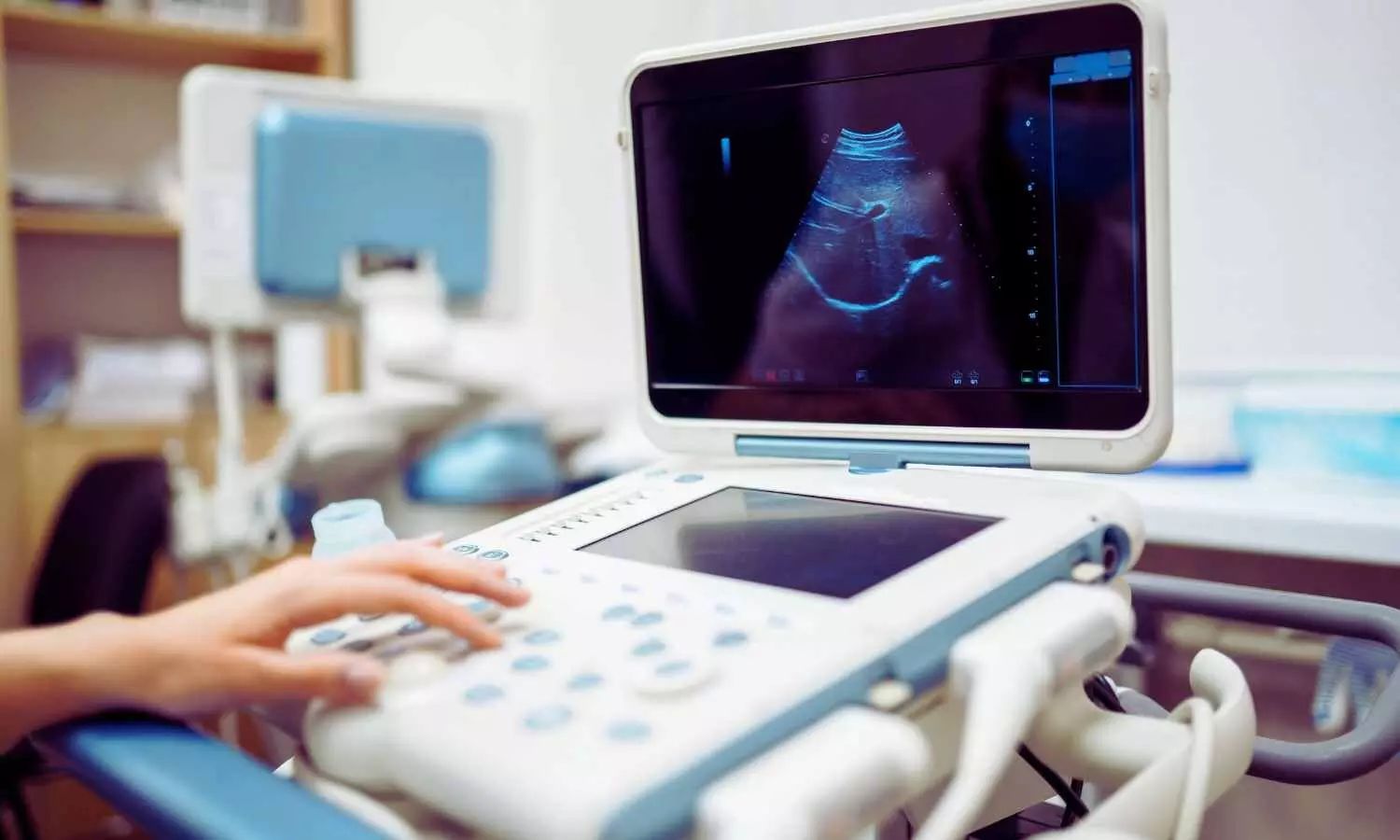
Most parents can think back to the first ultrasound image they saw of their unborn child, and may even be able to remember what impression that image had on them. Would their child be an active toddler, a tad bit ornery or stubborn, sweet and cuddly, fiercely independent, or shy and cooperative? New research suggests these initial perceptions may have been formed, at least in part, in response to how the health care provider described the baby during the exam.

These prenatal care experiences play a large role in shaping how parents see their babies and, consequently, affect how parents relate to their children later on and how those children behave in return, according to new research from the University of Notre Dame.

“The ultrasound experience is such a salient, emotional part of the pregnancy overall, legitimizing the pregnancy itself and creating an opportunity for brand-new memories with the baby,” said Kaylin Hill, assistant professor in Notre Dame’s Department of Psychology and lead author of the study published in Communications Psychology, a Nature journal.

“The words used in these conversations with ultrasound technicians or obstetric sonographers — whom we consider experts on fetal development — get absorbed and influence who you think your child is before they’re even born,” Hill said. “Our research suggests the descriptions offered by prenatal care providers stick with parents. When we asked prospective parents to describe their baby, 70 percent of them indicated their perception was related to a prenatal care visit.”

The statements made by health care providers to expecting parents about their baby may have unintended consequences and “may play a role in influencing a child’s future,” the researchers wrote.

Prior research has found that if a parent views a child positively during pregnancy, the parent is more likely to engage in more positive parenting behaviors after the baby is born. For example, babies described with more positive words experience higher levels of sensitivity, warmth and engagement from parents. Those described with more negative words receive less.

Hill said her study is the first to show “these first impressions prospectively relate to childhood behavior as well, and not only parenting practices.”

The study, broken into two segments, first observed 320 pregnant mothers between 11 and 38 weeks’ gestation who provided a description of their babies, followed by a report on their children’s behavioral and emotional difficulties at 18 months old. Those parents who described their unborn children more positively observed that their child had fewer difficulties as a toddler. However, negative descriptions were associated with greater difficulties in the child’s behavior and in regulating their emotions.

Problem behaviors in the children included being emotionally reactive, experiencing anxiety or depression, having trouble paying attention, acting withdrawn, having trouble sleeping, acting aggressively and even complaining of various physical symptoms.

The researchers learned that descriptor words specifically attributed to the ultrasound experience tended to have a more negative emotional tone than those related to any other experience — such as talking about your baby with your spouse, family and friends, or comparing family characteristics between your baby and certain relatives.

“These interactions between prospective parents and prenatal care providers seem small,” Hill said. “Can single words really impact how parents perceive their unborn child to be?”

While this first segment of the study demonstrated differences in the tone of words attributable to prenatal care visits versus other sources, the second segment tested the researchers’ hypothesis that negative comments made during ultrasound exams actually lead to more negative parental perceptions.

They asked 161 participants to report on the personality of a baby following an imagined prenatal care visit in which they were randomly assigned to different exam conditions. In each instance, the ultrasound technician indicated that they were unable to capture the necessary images, but with three different explanations as to why. Some participants were told it was the baby’s fault for not cooperating during the ultrasound, others learned that technical issues caused the disruption, and the last group were simply told that they would get another chance to see their baby at a subsequent appointment.

Participants who were told that they would get to return for a follow-up appointment were much more likely to use positive words to describe the baby than participants in the other two conditions. Those who were told the failed image captures were because the baby was uncooperative used more negative words to describe the baby than participants in the other two conditions.

Evaluating the language used by health care professionals during these prenatal encounters is crucial in fostering positive parent-child relationships, according to the study’s findings, as well as educating medical and mental health professionals about the importance of prenatal and early childhood experiences. Equally critical is providing more support for both parents and children during the perinatal period (the time from pregnancy through the first year after childbirth).

“Of course we want to help support parents,” Hill said, “and this research suggests a first step may be to talk with health care providers, to highlight the importance of these seemingly small differences in word choice during salient moments with pregnant patients.”

Hill is an affiliate of Notre Dame’s Veldman Family Psychology Clinic and the director of the Psychophysiology of Affect across the Lifespan (PAL) Lab, which focuses on familial dynamics and mental health. She sees this study as one small, yet key, component of the whole picture of what makes for a healthy family. “Depression affects the entire family, and not just one person,” Hill said.

“One of the highest risk periods for depression is the perinatal period, where individuals are experiencing changes across so many levels of functioning — physical, psychological and social,” she said. “If an ultrasound experience is impacting how an individual sees their child, that could potentially influence aspects of the caregiving relationship, which is really important for both parent and child outcomes over time.”

Reference:

Hill, K.E., Blum, A.L., Carell, R. et al. Evidence that prenatal care visit experiences influence perceptions of the child. Commun Psychol 3, 73 (2025). https://doi.org/10.1038/s44271-025-00256-z.

Powered by WPeMatico

New diagnostic breakthrough predicts which head and neck cancer patients can be cured with surgery alone

Researchers from the University of Turku and Turku University Hospital, Finland, led by Docent Sami Ventelä and Professor Jukka Westermarck, have identified a novel diagnostic tool that can revolutionize the treatment guidance of head and neck squamous cell carcinoma.

Their newly published study introduces an easy-to-use immunohistochemical assay for detecting the LIMA1-alpha protein, which reliably predicts whether patients can be cured with surgery alone-avoiding the need for harmful oncological treatments.

Surgery remains a cornerstone in the treatment of solid tumors, including head and neck squamous cell carcinoma. However, there has been no clinically available method to distinguish patients who can safely avoid additional therapies such as radiation or chemotherapy. These treatments can cause substantial side effects, additional costs and reduce quality of life.

The research team’s main findings included analyzing patients with newly diagnosed head and neck squamous cell carcinoma at all five university hospitals in Finland in a prospective clinical study. They found that high expression of the LIMA1-alpha isoform predicted poor survival following surgery, while patients with LIMA1-negative tumors had excellent outcomes without requiring further therapy. Strikingly, none of the LIMA1-negative patients in the prospective validation cohorts died of head and neck squamous cell carcinoma during 2-year follow-up.

“Our findings suggest that immunohistochemical detection of LIMA1-alpha can serve as a reliable and cost-effective tool for identifying patients who could be cured with surgery only and thus spared from the burden of multimodal treatments,” says Docent Ventelä. “This kind of stratification is long overdue and needed in head and neck cancer care.”

Using antibodies specific to the LIMA1 isoforms, the researchers demonstrated the assay’s prognostic power across retrospective, population-validated tissue microarrays and two independent prospective cohorts. The results were consistent and robust, showing that LIMA1-alpha was the only biomarker to significantly predict poor outcomes in surgically treated patients.

In addition to clinical data, mechanistic studies revealed that LIMA1 drives epithelial–mesenchymal transition and enhances cancer invasiveness-providing a biological explanation for its link to poor prognosis.

Currently, only two biomarkers-p16 and PD-L1-are in widespread clinical use for head and neck squamous cell carcinoma , and both have serious limitations in stratifying treatment for early-stage disease. This new LIMA1-alpha assay represents the first clinically translatable biomarker for selecting patients who may benefit from surgery alone.

“We trust that this can mark a turning point in personalized head and neck cancer care,” says Docent Ventelä. “We envision that LIMA1 testing will be incorporated into routine diagnostic workflows in head and neck squamous cell carcinoma to guide treatment planning from the outset.”

The study offers a promising step toward more personalized and less toxic treatment strategies for patients suffering from head and neck cancer. The University of Turku has applied for patent protection for the findings and based on them, a cancer diagnostics start-up company, Thestra Oy (https://thestra.fi), has been founded, which aims to bring the test to patient use under the EPLINEx™ brand later this year.

Reference:

Xi Qiao, LIMA1-alpha staining predicts curative intent surgery response in HPV negative head and neck cancer, EMBO Molecular Medicine, https://doi.org/10.1038/s44321-025-00266-8

Powered by WPeMatico

Study Reveals Two-Way Link Between Seborrheic Dermatitis and Other Barrier Diseases

USA: A large-scale study published in Allergy, the official journal of the European Academy of Allergy and Clinical Immunology, has uncovered a strong bidirectional association between seborrheic dermatitis (SD) and several epithelial barrier diseases (EBDs).

The research, by Sabrina Meng from the Perelman School of Medicine, University of Pennsylvania, USA, and colleagues, provides new insights into the shared mechanisms underlying these conditions and supports the epithelial barrier theory (EBT).
Seborrheic dermatitis, a chronic inflammatory skin disorder characterized by barrier dysfunction, was found to be linked with a higher risk of developing other epithelial barrier diseases affecting the skin, respiratory, gastrointestinal, and ocular systems. Similarly, individuals with certain pre-existing EBDs were more likely to develop SD later, highlighting a two-way connection between these disorders.
The retrospective cohort study analyzed data from more than 5 million individuals included in a large U.S. administrative claims database between January 2016 and June 2022. Participants were followed for an average of 3.25 years, amounting to over 16 million person-years of observation. Researchers used multivariable Cox proportional hazards models to assess the risk of SD following EBD diagnosis and vice versa.
The study led to the following findings:
  • Individuals with prior epithelial barrier diseases had a significantly higher risk of developing seborrheic dermatitis.
  • The highest risk was observed in those with alopecia areata (HR 3.47).
  • Psoriasis was associated with an increased risk of SD, with a hazard ratio of 2.62.
  • Rosacea was associated with a hazard ratio of 2.84 for developing SD.
  • Atopic dermatitis raised the likelihood of SD with a hazard ratio of 2.46.
  • Hidradenitis suppurativa was associated with a hazard ratio of 1.79 for subsequent SD.
  • Celiac disease increased SD risk with a hazard ratio of 1.55.
  • Dry eye was linked to a higher SD risk with a hazard ratio of 1.54.
  • Conversely, individuals already diagnosed with SD had a greater risk of developing psoriasis (HR 3.52).
  • SD was also associated with a higher likelihood of rosacea (HR 2.85).
  • The risk of alopecia areata increased among those with SD (HR 2.81).
These results reinforce the concept that epithelial barrier dysfunction may act as a common biological pathway linking diverse inflammatory and immune-mediated conditions. The associations observed across various organ systems suggest that barrier disruption is not confined to the skin but may also involve respiratory, gastrointestinal, and ocular surfaces.
According to the researchers, this bidirectional relationship points to potential temporality in disease progression—wherein one barrier disorder may predispose individuals to another. The study also identified epithelial barrier diseases that were not strongly associated with SD, suggesting that alternative inflammatory mechanisms or environmental factors may contribute to their development.
While the findings offer compelling evidence in favor of the epithelial barrier theory, the authors acknowledged that further research is needed. They recommend prospective longitudinal studies to clarify the temporal sequence and mechanistic investigations to explore the immunological pathways involved in SD and EBD pathogenesis.
“Overall, the study provides a strong rationale for viewing seborrheic dermatitis not as an isolated skin condition but as part of a broader spectrum of epithelial barrier diseases. Understanding these shared mechanisms could pave the way for more targeted approaches in the prevention and management of both SD and related disorders,” the authors concluded.
Reference:
Meng, S., Berna, R., Takeshita, J., Hoffstad, O., Shin, D., Mitra, N., & Margolis, D. J. Bidirectional Associations Between Seborrheic Dermatitis and Epithelial Barrier Diseases: A Retrospective Cohort Study. Allergy. https://doi.org/10.1111/all.70112

Powered by WPeMatico

Less can be more: Low-dose steroids could effectively treat severe kidney inflammation, suggests study

Will it be possible to treat severe kidney inflammation with fewer drugs in the future? A new study by the University Hospital Bonn (UKB), the University of Bonn, and the University of Hamburg gives cause for hope. The researchers show that even low, repeated doses of steroids could be enough to stop inflammation in particularly aggressive crescentic glomerulonephritis (cGN). The findings, which have now been published in Science Translational Medicine, could fundamentally change the treatment of many patients – and significantly reduce side effects.

cGN is one of the most dangerous forms of kidney inflammation. Without treatment, it can lead to terminal kidney failure within a few weeks. The standard therapy to date consists of high doses of glucocorticoids (steroids), which strongly suppress the immune system. Although these drugs are effective, they are often associated with significant side effects, including diabetes, osteoporosis, and severe infections.

The team led by Professor Christian Kurts, Director of the Institute for Molecular Medicine and Experimental Immunology at the UKB and member of the ImmunoSensation² Cluster of Excellence and the Transdisciplinary Research Area (TRA) “Life and Health” at the University of Bonn, has now investigated in more detail how steroids work in the kidney – and why lower doses may achieve the same effect. Using modern single-cell and spatial gene sequencing and disease models in mice, the researchers identified a specific subgroup of pro-inflammatory neutrophils as immune cells that significantly promote kidney damage. These cells originate directly in the inflamed kidney tissue and remain active there longer than normal neutrophils.

“Our study shows that doctors do not necessarily need extremely high doses of steroids to suppress these cells – small, repeated doses may be sufficient,” explains Prof. Kurts. In the mouse model, the researchers were able to show that low, regularly administered glucocorticoids block the formation of these harmful cells – even without an initial high dose. Kidney biopsies from patients treated with low doses also showed fewer of these immune cells.

“Single-cell sequencing allowed us to track the harmful neutrophils directly in the inflamed kidney,” says Dr. Junping Yin, first author of the study and doctoral student with Prof. Kurts. “This opens up new ways to use steroids in a more targeted and safer manner.”

If the results are confirmed in clinical trials, patients could benefit in the future from safer, low-dose therapies that protect their kidneys without putting unnecessary strain on the body. In the long term, the approach could also have an impact on other autoimmune and inflammatory diseases in which steroids are currently used in high doses.

Reference:

Junping Yin et al. ,Low-dose glucocorticoids attenuate crescentic glomerulonephritis by inhibiting the local differentiation of proinflammatory neutrophils.Sci. Transl. Med.17,eadu0351(2025).DOI:10.1126/scitranslmed.adu0351

Powered by WPeMatico

Undernutrition, Smoking, and Alcohol Misuse Drive Poor TB Outcomes in India, suggests research

Researchers have found in a new study that undernutrition, alcohol abuse, and smoking account for over a third of TB outcomes in India that are unfavorable. The research determined that these factors greatly raise the risks of treatment failure, recurrence, and mortality in patients with drug-sensitive pulmonary TB, and they therefore present high-yield targets for public health interventions. The study was conducted by Pranay S. and colleagues in the journal of Chest.

The key question of this research was: What percentage of poor tuberculosis treatment outcomes can be explained by major risk factors in India? Through the estimation of attributable fractions (AFs), the authors aimed to identify the impact of these modifiable risk factors at the population level.

This was a prospective cohort trial in adult drug-sensitive pulmonary TB, recruited from five heterogeneous clinical centers in India. Participants were recruited at the start of treatment and were followed for 24 months. The main outcome was a composite poor treatment outcome, viz., treatment failure, recurrence, or death. Researchers estimated both unadjusted and adjusted attributable fractions (AFs) for modifiable risk factors such as undernutrition, smoking, alcohol abuse, diabetes, and HIV coinfection.

Results

  • There were a total of 2930 adults with 32,912 person-months of follow-up. The median age was 43 years (IQR 31–52), and 2136 participants (72.9%) were male.

  • The prevalence of risk factors was as follows: 1609 (55.5%) were undernourished, 1182 (40.4%) had ever smoked, 956 (32.8%) had diabetes, 437 (14.9%) had reported alcohol misuse, and 65 (2.2%) were HIV positive.

In the follow-up, 129 had treatment failure, 80 developed recurrence, and 101 died. The percentage of unfavorable outcome contributed by key risk factors in unadjusted analysis was:

  • 32.2% (95% CI: 23.1–40.3) for undernutrition

  • 19.4% (95% CI: 12.3–25.8) for ever-smoking

  • 8.5% (95% CI: 4.3–12.6) for alcohol abuse

  • 1.6% (95% CI: 0.1–3.0) for HIV coinfection

  • Adjusted for having more than one risk factor concurrently, undernutrition by itself contributed to 29.0% (95% CI: 17.6–38.8) of all adverse outcomes.

  • In addition, ever-smoking and alcohol abuse were significantly associated with failure of treatment, with 17.9% (95% CI: 1.1–31.9) and 15.4% (95% CI: 7.9–22.3) of failures, respectively.

This research indicates that undernutrition, smoking, and alcohol abuse explain more than one-third of adverse TB treatment results in India. Targeted efforts to enhance nutrition, decrease smoking, and prevent alcohol abuse have the potential to notably enhance TB outcomes and assist with attainment of public health objectives in TB control.

Reference:

Sinha, P., Karoly, M., Padmapriyadarsini, C., Paradkar, M., Mave, V., Gupte, N., Gupta, A., Dauphinais, M., Babu, S. P., Gaikwad, S., Cox, S. R., Golub, J., Cintron, C., Thangakunam, B., Ezhumalai, K., Ponnuraja, C., Tornheim, J. A., Christopher, D. J., Viswanathan, V., … Gupte, A. N. (2025). Contribution of key comorbidities to unfavorable treatment outcomes among adults with drug-sensitive pulmonary tuberculosis in India: A prospective cohort analysis. Chest. https://doi.org/10.1016/j.chest.2025.05.055

Powered by WPeMatico

Topical Curcumin May Reduce Candida in Denture Stomatitis: Study

Researchers have found that topical curcumin may help reduce Candida albicans infection and inflammation in patients with denture stomatitis. The study published in Expert Opinion on Drug Delivery evaluated curcumin’s therapeutic effects when applied directly to the oral mucosa and denture surfaces. Patients with denture-related inflammation showed marked improvement in redness, soreness, and other clinical signs after topical application. The findings highlight curcumin’s dual anti-inflammatory and antifungal actions, suggesting it could serve as a natural, well-tolerated alternative to conventional antifungal medications.

The research team observed that topical curcumin treatment helped lower the number of Candida colonies while easing local irritation, without the adverse effects often associated with synthetic drugs. Its efficacy is linked to curcumin’s ability to disrupt fungal cell membranes and reduce oxidative stress, which together inhibit microbial growth and tissue inflammation. Although the authors noted that larger and longer-term clinical studies are still needed, these early results show meaningful promise for using curcumin as an adjunctive or standalone treatment for oral fungal infections, especially in older adults who wear dentures.

Overall, this study adds to growing evidence supporting curcumin’s therapeutic role in oral health management. The authors emphasize that a standardized topical formulation and optimized delivery method could make curcumin a practical option for routine dental care. Beyond its antifungal benefits, curcumin may also promote mucosal healing and improve comfort for denture users. With further validation, this plant-based compound could offer a safe, accessible, and affordable approach to managing denture stomatitis and other oral inflammatory conditions.

Keywords: curcumin, denture stomatitis, Candida albicans, topical therapy, antifungal, oral inflammation, drug delivery, Expert Opinion on Drug Delivery, Shahed Kuraitby

Reference
Kuraitby, S., Khazem, M., & Aljoujou, A. A. (2025). Topical curcumin for the management of Candida-associated denture stomatitis: Antifungal and anti-inflammatory effects. Expert Opinion on Drug Delivery. https://doi.org/10.1080/17425247.2025.2578372

Powered by WPeMatico

COVID may increase risk of dangerous blood clots after panniculectomy

October 29, 2025 — Among patients undergoing panniculectomy to remove excess abdominal skin, those with previous COVID may be at higher risk of serious blood clot-related complications called venous thromboembolism (VTE), reports a study in the November issue of Plastic and Reconstructive Surgery®, the official medical journal of the American Society of Plastic Surgeons (ASPS). The journal is published in the Lippincott portfolio by Wolters Kluwer.

“Our findings suggest that past COVID may be an additional predisposing risk factor for VTE among patients undergoing panniculectomy,” comments lead author Mary Newland, BS, a medical student at Penn State College of Medicine, Hershey, Pa. “This may have implications for assessment and prevention of surgical risks of body contouring surgery after major weight loss.”

New data on VTE risk after panniculectomy

Body contouring describes a range of surgical procedures to remove excess skin and soft tissue in patients with major weight loss. Panniculectomy is a specific procedure done to remove loose, hanging skin and fat from the lower abdomen. It is generally considered a “functional” rather than cosmetic procedure, with the goal of addressing skin complications (such as rashes, infections and ulcers) and mobility issues related to the overhanging skin.

Venous thromboembolism refers to potentially life-threatening blood clots known as deep vein thrombosis or pulmonary embolism. For panniculectomy and other types of major surgery, assessment of VTE risk and prevention with the use of anticoagulant medications (blood thinners) is an important part of patient management.

Recent studies have suggested that patients who have previously had COVID-19 may be more likely to develop VTE after panniculectomy. To clarify this association, the researchers analyzed national hospital data on patients who underwent panniculectomy.

‘Significant increase’ in VTE among patients with a history of COVID

The analysis included data on 7,114 patients who underwent functional panniculectomy between 2017 and 2023. Of these, 3,015 patients had surgery before and 4,099 after the start of the COVID-19 pandemic. All patients received preventive blood thinners, based on standard assessment of VTE risk factors (Caprini score). On initial analysis, the two groups had similar rates of VTE: 3.2% before and 3.0% after the start of the pandemic in March 2020.

Further analysis of the post-pandemic group assessed VTE risk among 790 patients with a history of COVID, compared to 3,309 patients who had not had COVID. The results showed a significantly higher risk of VTE for patients with a history of COVID: 4.9%, compared with 2.5% in those without COVID. Other potential VTE risk factors for VTE – such as heart, lung, and blood vessel disease – were similar between groups.

“Our results demonstrate a significant increase in the incidence of VTE among [panniculectomy] patients with a history of COVID-19,” according to the authors. Although other factors may contribute, the increase in VTE risk is likely related to an increased tendency for blood clots to form (hypercoagulability) after COVID infection.

The study “shows the emergence of a new patient population who may be more susceptible to postoperative VTEs,” Ms. Newland and coauthors conclude. They emphasize that further studies are needed to confirm the association between COVID and the risk of blood clot-related complications after panniculectomy, and to clarify the implications for risk assessment and VTE prevention.

Reference:

Newland, Mary BS1; Lee, Charles C. MD2; Li, Cindy MD2; Sun, Ashley BS1; Potochny, John MD2. Incidence of Postoperative Venous Thromboembolism following Panniculectomy in Patients with History of COVID-19. Plastic and Reconstructive Surgery 156(5):p 793-798, November 2025. | DOI: 10.1097/PRS.0000000000012202

Powered by WPeMatico

Active physiotherapy showed better results than passive physiotherapy for the management of non-specific chronic LBP: study

Chronic low back pain (cLBP) is common. Physiotherapy is frequently indicated as a non-pharmacological management of these patients. Baroncini et al published an article in ‘Journal of Orthopaedics and Traumatology’. This Bayesian network meta-analysis compared active versus passive physiotherapy versus their combination in terms of pain and disability in patients with mechanical and/or non-specific cLBP.

In June 2025, the Baroncini et al accessed – PubMed, Web of Science, Google Scholar and Embase. All the randomised controlled trials (RCTs) which evaluated the efficacy of a physiotherapy program in patients with LBP were accessed. Data regarding pain scores, the Roland–Morris Disability Questionnaire (RMQ) and the Oswestry Disability Index (ODI) were collected. The network meta-analyses were performed using the STATA (version 14; StataCorp, College Station, TX, USA) routine for Bayesian hierarchical random-effects model analysis, employing the inverse variance method. The standardised mean difference (STD) was used for continuous data.

The key findings of the study were:

• Data from 2768 patients (mean age 46.9 ± 10.9 years, mean BMI 25.8 ± 2.9 kg/m2) were collected.

• The mean length of follow-up was 6.2 ± 6.1 months.

• Between groups, comparability was found at baseline in terms of mean age, proportion of women, mean BMI, symptom duration and patient-reported outcome measures (PROMs).

• By the end of the follow-up period, the active group evidenced the lowest pain scores (SMD 1.00; 95% CI −3.28 to 5.28).

• The active group evidenced the lowest RMQ score (SMD 0.94; 95% CI –4.96 to 3.09).

• The active group evidenced the lowest ODI score (SMD −1.23; 95% CI −9.83 to 7.36).

The authors concluded – “Active physiotherapy showed better results than passive physiotherapy and a combination of both for the management of mechanical and/or non-specific, chronic LBP.”

Level of evidence: Level I, Bayesian network meta-analysis of RCTs.

Further reading:

Active and passive physical therapy in patients with chronic low‑back pain: a level I Bayesian network meta‑analysis

Baroncini et al.

Journal of Orthopaedics and Traumatology (2025) 26:66

https://doi.org/10.1186/s10195-025-00885-4

Powered by WPeMatico